





Basketball
Soccer
Cricket
Running
swimming
Cycling
Boxing
Volley Ball
Martial Arts
Weightlifting
Tennis
Golf
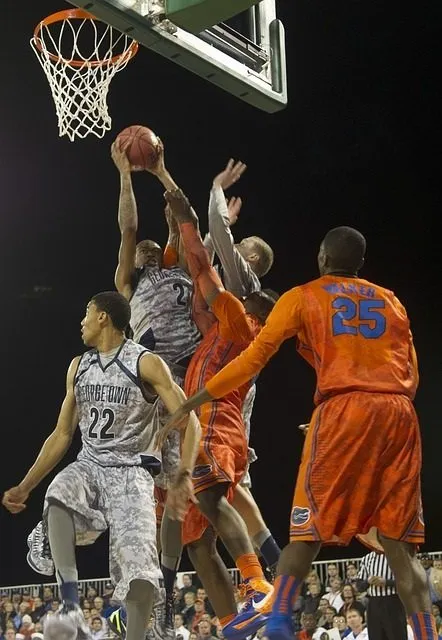
Basketball
Soccer
Soccer Injuries
Are you tired of sitting on the sidelines due to nagging injuries?
Discover the secret weapon that can take your soccer game to the next level.
Chiropractic is like a skilled referee, keeping your body in check and preventing injuries from taking you out of the game.
With improved flexibility, enhanced performance, and optimal spinal mobility, you’ll be unstoppable on the field.
Don’t let pain hold you back any longer – whether you’re a weekend warrior or Messi, unlock the full potential of your game with chiropractic care.
Key Takeaways
- Chiropractors can greatly benefit soccer playersfor injury prevention and recovery.
- Regular chiropractic adjustments improve flexibility and range of motion.
- Chiropractors enhance performance and endurance on the soccer field.
- Optimal spinal function enhances balance and coordination on the soccer field.
Soccer injuries can occur to any part of the body – the sport is very dynamic and because training is most often long and intense, strains are common and some injuries can develop into chronic issues. Statistics on soccer injuries are well compiled and it’s been determined that 8.5 injuries occur per 1000 hours on average and according to FIFA the four most common soccer injuries are ankle injuries, knee injuries, hamstring sprains and head injuries. Overall, the figures aren’t bad when compared to rugby and football where injuries are in the 100+ per 1000 hours but football injuries can become chronic easily and many players who are more vulnerable have to wrestle with complex issues for much of their careers.
Soccer injuries can be assisted best through an interdisciplinary approach that involves physiotherapy and chiropractic care. Chiropractors are adept in their ability to understand neuromusculoskeletal issues that involve the nervous system and the body’s biomechanical structures. Through this intrinsic understanding of the body’s mind-body connection, chiropractors can assist soccer players with chronic and complex issues as well as more routine strains and repetitive strain injuries. Chiropractors can assist soccer players in adequately resting the joint in a way that blood flow is encouraged, providing nutrients to the affected area to rehabilitate it more quickly.
 A chiropractor’s main specialism is in healing back issues, though, and these occur often in soccer due to the rapid and constant twisting of the back and the core stability required to kick a ball hard to accurately for 90 minute games. Actual spinal injury in soccer isn’t common fortunately, but it can be catastrophic. It often occurs when the cervical spine is flexed and the cervical lordosis is flattened which bypasses the shock absorptive properties of the spine, compressing discs and damaging muscles and ligaments. Though rare, these sort of injuries have led to fatalities in the last 10 years and can cause paralysis. Preparing soccer player’s core strength is vital for the professional game where tackles are made at high speeds but for amateurs it’s also very important for avoiding general strain. Core strength increases overall stability and that helps the body’s resilience to impacts, strains and overuse injuries. This is the most important aspect to injury prevention, particularly in treating dangerous injuries to the spine and back and chiropractors have played vital roles in preparing soccer players for the game in the correct methods to slide and tackle without risking the back.
A chiropractor’s main role in soccer is to improve performance by increasing player’s flexibility through adjustments and specialist exercises which pull together connective tissues in order to strengthen the core. A strong core equals more pace, more power and heightened endurance and leg muscles can be adequately supported in order to allow legs to extend to strike a ball effectively. Many professional soccer teams have in house chiropractors within their teams of medical professionals and from complex issues to simple injuries, they’re invaluable in rehabilitation and avoidance of injury.
Injury Prevention and Recovery
You should definitely consider chiropractic for sports injury prevention and recovery as it can greatly benefit soccer players.
Regular chiropractic adjustments can help improve joint mobility, reduce muscle tension, and promote overall body function, which can enhance your performance on the field and decrease the risk of injuries.
Additionally, chiropractic care can aid in the recovery process by reducing inflammation, alleviating pain, and speeding up the healing time of any soccer-related injuries you may sustain.
Improved Flexibility and Range of Motion
Regular chiropractic adjustments can help improve your flexibility and range of motion, allowing you to move more freely on the soccer field.
By mobilizing your spine and joints, chiropractic care can help reduce stiffness and increase your body’s ability to move and stretch.
This improved flexibility can enhance your performance on the field by allowing you to execute movements with greater ease and efficiency.
Additionally, increased range of motion can help decrease the risk of injuries, enabling you to stay in the game and perform at your best.
Enhanced Performance and Endurance
With chiropractors, you can improve your performance on the soccer field and increase your endurance. By addressing any dysfunction in your spine, chiropractic spinal manipulation can enhance your body’s ability to perform at its peak. Chiropractors are also great at performing soft-tissue and rehabilitation. Techniques include dry needling, IASTM or graston, cupping, and physical therapy.
The benefits of chiropractic care for soccer players include:
- Increased speed and agility, allowing you to outmaneuver your opponents.
- Improved stamina and reduced fatigue, enabling you to keep up with the demands of the game.
- Enhanced recovery, helping you bounce back faster from injuries and intense training sessions.
Don’t let pain and limited endurance hold you back. Embrace chiropractic to elevate your soccer performance.
Optimal Spinal Function for Better Balance and Coordination
Maintaining optimal spinal function for football players enhances your balance and coordination on the pitch. When your spine is functioning properly, it allows for efficient communication between your nervous system and body, improving your overall performance.
A dysfunctional spine can lead to decreased mobility, muscle imbalances, and reduced coordination. By seeking chiropractic, you can address any spinal dysfunction and ensure that your body is functioning at its peak, enhancing your ability to stay balanced and coordinated during the game.
Young athletes require just as much as old athletes. As a young athlete, the body is adjusting to the stresses placed on it during a soccer game and practice. It is important to stay balanced as an athlete, no matter what age.
Overall Physical Health and Well-being
Improving your overall physical health and well-being, chiropractic benefits for soccer players are numerous. Here are three ways chiropractic care can enhance your overall physical health and well-being:
- Reducing pain and inflammation: Chiropractic adjustments can help alleviate pain and reduce inflammation in your muscles and joints, allowing you to recover faster from injuries and perform at your best on the field.
- Enhancing flexibility and mobility: Chiropractic treatments can improve your range of motion, making you more flexible and mobile. This can help prevent injuries and improve your agility on the soccer field.
- Boosting immune function: Chiropractic care can help boost your immune system, keeping you healthier and more resistant to common illnesses. This means less time off the field due to sickness and more time playing the sport you love.
Conclusion
So, if you’re a soccer player looking to improve your game and stay injury-free, chiropractic care is the way to go.
According to a study conducted by the British Journal of Sports Medicine, soccer players who received regular chiropractic care experienced a 20% decrease in injuries compared to those who didn’t.
With the added benefits of improved flexibility, enhanced performance, and better overall health, it’s clear that chiropractic care can give you the winning edge on the field.

Cricket
Cricket Injuries and Chiropractic

If you have suffered a cricket-related injury including sprains, strains and muscle injuries are treated at Dynamic Spine Center.
Chiropractic treatment is not the same as physiotherapy, which is why many high-level cricket teams now have Chiropractors as part of their support team working alongside physiotherapists and sports medicine doctors.
We have a different approach to make sure you recover fully from your injury.
Here at the Dynamic Spine Center, we are aware of the injuries that both professional and amateur cricket players sustain.
Preventing Injuries in Cricket: Our Approach to Pre-Habilitation and Rehabilitation
Here at the Dynamic Spine Center, we have a strong belief in preventative care, which means doing proactive before the injury, and therefore prevent injuries.
We can perform special functional tests that will identify if you have a weakness or lack of coordination that makes you vulnerable to injury. But that is not all, dealing with the underlying problems often also lead to you seeing improvement in your performance.
All our Chiropractors are qualified to treat, rehabilitate and manage muscle, joint, ligament and connective tissue injuries.
And we can help your rehabilitation and recovery after an injury including a fracture.
Injury Risk in Cricket
Although the risks of injury have been shown to be lower in cricket than contact sports such as rugby or football, the risk of an injury is still a real threat to any cricket players’ career. The repetitive and one-sided nature of the sport often gives rise to injury to the joints, ligaments and muscles.
As with many sports, cricket injuries fall into two categories: traumatic and overuse.
Therefore, more and more cricket teams use Chiropractic to keep their players off the bench with injuries.
Playing time varies a lot in cricket, from up to 3 hours for Twenty20 up to 35 hours of playtime for games lasting a number of days.
Whilst it is unusual for games to last for more than one day unless you are playing professionally, club players often play multiple matches per weekend with training and evening games during the week.
The longer the match lasts the more the ligaments and muscles are under duress, making injuries more likely.
Types of Injuries in Cricket
Traumatic injuries usually result from direct blows from a heavy fast-moving ball onto the body. However, the most significant cause of traumatic injury is through bowling due to the large rotational and compressive forces provided through the foot, ankle, knee, hip and low back region.
Overuse injuries build over time and are the result of the combined negative effects of a mildly traumatic action that is repeated over and over again.
This is most common with bowlers due to the repetitive nature of bowling, but batsmen also suffer repetitive injury most notably from standing in the same posture for long periods at a time as well as a tendency to always play the same shots.
Low back pain that results from regular net training sessions are an example of overuse or chronic injury. The injury usually starts as a niggling discomfort with increasing pain developing over time.
It is also common for an overuse injury to develop into an acute traumatic injury where a succession of micro-traumas weakens the area making it more susceptible.
Sudden sprains, muscles and ligament tears often occur in this manner and are more common the longer the game is played.
Studies have shown that cricketers can suffer from a range of injuries from neck, mid back and low back to tennis elbows, shoulder tendonitis or impingement, knee injuries, muscle strains and joint sprains to name just a few.
Most Common Injuries in Cricket
The most common injuries in cricket are either traumatic impact injuries from the ball onto the body or muscle strains or low back sprains associated with the overuse injury mechanism described above.
- Strain and sprain injuries most often affect the lower limbs or low back and sacroiliac joints, but can also affect shoulders, hands and wrists.
- Muscles such as the hamstrings, abductors or calf are usually most commonly affected, whereas the joints of the low back, shoulder or the sacroiliac region are most common.
- Rapid stopping, starting and changing direction also places stress on the knees and ankles. This is part and parcel of a bowlers’ action and cannot be avoided but can be reduced through developing a biomechanically efficient bowling action.
- The structure of the knee means a ligament injury is most common, with anterior cruciate ligament (ACL), posterior cruciate ligament (PCL)and medial collateral ligament (MCL) strains, ruptures and tears, the most common. Both the ACL and PCL can be injured or torn by a sudden stop, start and twisting of the knee joint.
- Meniscal injuries (cartilage discs that sit in between the femur and tibia) also commonly occur as a result of twisting, pivoting, decelerating or a sudden impact.
- Rotation of the ankle often cause sprains to the talo-fibular or deltoid ligaments and can be caused by rolling over on the ankle particularly if the bowlers footholes have become deep and uneven.
Batting, Fielding and Bowling
Given the nature of cricket, many activities can give rise to injury. Amongst the three main disciplines, batting, fielding and bowling, there are a number of ways in which injury can occur.
Whilst batting, apart from the obvious running related injury mechanism, there is the risk of being hit by the ball being bowled on an area where protective gear is not worn and also the risk of straining muscles when overstretching to reach the pitch of the ball.
Whilst fielding, running around the field also provides a risk for injury, particularly in the event where a run-out can be achieved if the action of fielding is provided quickly. In addition to this, blows from the ball travelling at speed can inflict injury, as can poor fielding technique, or inappropriate landing when diving in the field and throwing injuries.
The largest risks of injury however, are during bowling due to the increased stress the body is put under during the bowling mechanisms. In particular, compressive forces during fast bowling particularly through the lead leg where forces of up to 10 times the bowler’s body weight can be placed through the knee and hip as the delivery of the ball is made.
Significant torsional forces through the lead knee when bowling spin also occur leading to further risk of injury.
MOST COMMON CRICKET INJURIES:
ROTATOR CUFF INJURIES
- Your rotator cuff is a set of muscles and tendons around your shoulder blade extending toward the upward arm bone. Generally, it is a dull ache feeling, but can be more extreme. As a bowler, these are common considering you are chucking the ball at high speeds.
- How to prevent: These injuries can be prevented with daily strength and stretching exercises. If you think it could be a more serious issue, consult a professional.
MEDIAL MENISCUS TEAR
- As a bowler, you twist with extreme force to chuck the ball in the correct direction. This can cause a strain or tear in the knee. It can also lead to patellar tendinopathy which is an overuse injury.
- How to prevent: As with most injuries, the best possible way to avoid is to prevent. The best way to prevent this is with leg strengthening exercises that help your knee stabilize.
ANKLE SPRAIN
- Your ankle is where your foot and leg meet, it includes three joints. Sprains are caused when your ankle rolls, twists or turns in an abnormal direction. It doesn’t only happen in sports, it is possible if you step off a curb and try to catch yourself.
- How to prevent: Strengthening the muscle around your ankle can lead to mobility, speed, and power. As with most sports, your lower half of the body is important. In cricket, you need to run and be able to change direction quickly. Stretching before and after exercising is also a key in prevention and allows your body to have the flexibility you need to play the sport effectively.
GROIN STRAIN
- Groin injuries come in a variety of levels or grades, 1 being mild and 3 being severe which should receive medical attention immediately. A common injury is the groin pull, located in the inner thigh and you may feel some discomfort, inflammation. These are common injuries in athletes who do a lot of squatting, running and switching directions.
- How to prevent: Stretching and warming up before practice. One way to do so is to replicate the movements you will be performing during your practice. If you feel discomfort in this area, rest and gently stretch your targeted muscles.
THROWER’S ELBOW (MUSCULAR OR TENDINOPATHY)
- Your elbow connects your forearm to your upper arm. If you are an athlete who pitches a lot of games or does a lot of overhead activity, you may be at risk. Symptoms such as pain in the elbow, lack of range in motion, throbbing or swelling, you may have an elbow injury. If you are younger, you may be more at risk due to having poor technique. This leads to overuse in improper form of the elbow.
- How to prevent: The key to prevent the thrower’s elbow is to have the proper technique. It is important for coaches, parents, teammates to keep an eye on younger athletes to ensure that these athletes have proper form. In ensuring this, it is less likely that young players will develop injuries when continuing the sport. Another way to prevent cricket injuries is to maintain their flexibility and strength programs for targeted areas.
UCL SPRAIN OF THE ELBOW
- The ulnar collateral ligament (UCL), nested inside your joint stabilizes the elbow. This keeps it from bending in directions it should not be going in. Common symptoms are hearing a popping sound and instability in the joint. One incident may cause the ligament to tear and overuse can lead to chronic pain.
- How to prevent: Strengthening the muscles around this area is a big part in prevention. If you feel pain, don’t wait to seek treatment. Get professional help before it gets worse and learn what you can do to let your elbow heal before you’re on the sidelines.
LOWER BACK PAIN
- Low back pain is prominent in cricket due to the constant bending over of bowling or batting. It is caused by extending your back for prolonged amounts of time.
- How to prevent: Maintaining a strong core allows the spine more stability and keeps you more balanced. If you are a bowler, having proper technique is important to learn how to not over-rotate.
HAMSTRING STRAIN
- Hamstrings are located between your hips and knees, they allow for the extension of both these areas. These muscle groups are responsible for how fast a person can run. Strains may cause tenderness, swelling as well as some bruising.
- How to prevent: Incorporating a regular strength and flexibility training into your training will help strengthen your hamstrings. When exercising, targeting the glutes and the hip area enables you to strengthen the hamstrings.
SIDE/ ABDOMINAL STRAINS
- When bowling, abdominal strains generally occur on the non-bowling side.
- How to prevent: Rest, core exercises, warm up, stretching
HAND/ WRIST FRACTURES, DISLOCATION AND SPRAINS
- Due to the high impact of the sport, hand and wrist injuries are prevalent. When catching the ball at high speeds it can lead to fractures, dislocations, and sprains. Wicketkeepers are more prone to finger injuries.
- How to prevent: As you may notice, many athletes splint their fingers together. Giving yourself proper recovery time allows your joints to heal so you do not cause overuse injuries.
CONCLUSION OF COMMON CRICKET INJURIES
As with any sport even if it is not a contact sport can lead to many injuries. In the game of cricket, much like baseball also share similar injuries. The most common way to injure oneself is by overusing a certain muscle, I know there’s no way around it. You can’t start batting left-handedly just because your right shoulder begins to feel unstable. The best way to help an injury is to prevent it. Learn about what injuries you are prone to, if it’s not a technical issue such as poor form, then prevention is key. Strengthening programs are not solely to bulk up or build muscle, but to increase flexibility and mobility. When doing so, it enables you to have more range of motion and decreases injury risk due to overuse. As with any injury or illness, it is better to be safe than sorry, seek professional help if you are unsure of your injuries. It’s always better to catch it early than to wait for years where it would take weeks of physical therapy to manage your pain.
Injury Prevention in Cricket
It is important to remember, as with any sport, that prevention is better than cure!
Warming up and stretching properly before and after any sport is vital to reduce injuries, especially in the frequently affected muscle groups.
Pre-habilitation is the way forward, let us know if you want to have a functional examination to identify any weak links or lack of coordination that makes you vulnerable to injury.
Often, subtle differences in the way you move can place more stress on the joints of our body. The best way to minimize the chances of an injury taking place is to ensure your body is working optimally.
Your Chiropractor will be able to assess how your joints and muscles are working, and identify any areas that could potentially lead to an injury. We will then help to address the problem and to strengthen the areas; working with you to ensure your body is functioning as required.
Please contact us here, Dynamic Spine Center for further advice on injury prevention or if you are already suffering.
Here’s a concise summary of the article about shoulder injuries:
Managing the Overhead Athlete
- Overhead athletes include both sports players (e.g., cricketers) and workers (e.g., wallpaper hangers, hairstylists).
- Shoulder pain requires a global kinetic-chain assessment, considering the spine, hips, and lower extremities.
- The hip/trunk contributes ~50% of kinetic energy in throwing motions, making hip mobility essential.
Scapular Function & Assessment
- The scapula plays a crucial role in shoulder mechanics.
- Scapular dyskinesis (abnormal movement) can cause shoulder pain and dysfunction.
- Tests like the scapular assistance and repositioning tests help differentiate causes of pain.
Global Assessment & Exercise Corrections
- Postural distortions (e.g., Janda’s upper-crossed syndrome) must be addressed.
- Core stability and scapular control are vital for proper shoulder function.
- Combining trunk control and shoulder exercises (e.g., side planks with resistance) improves stability.
Lower Extremity & Overhead Sports Injuries
- Lower extremity injuries are common in overhead sports and can affect shoulder mechanics.
- Throwing motions create rotational and extension stress, potentially leading to lumbar stress fractures, especially in youth athletes.
Shoulder Pain in a Cricket Bowler
- A 15-year-old spin bowler had anterior shoulder pain but no major structural damage.
- Findings: Scapular dyskinesis, sternoclavicular dysfunction, and minor rotator cuff strain.
- Treatment:
- Myofascial release & joint mobilization
- Scapular stabilizer exercises (mid/lower trapezius, serratus anterior)
- Correction of dysfunctional muscle firing patterns
Chiropractors are uniquely positioned to manage shoulder dysfunction by addressing entire kinetic chain imbalances. A multimodal approach integrating manual therapy, exercise, and biomechanics correction is key to recovery and prevention.
Running


Running Injury Treatment Specialists

Physical exercise, going to the gym, or playing sports isn’t naturally dangerous, and neither is running, but there are plenty of ways that can lead to injury.
- Have poor running forum
- Are not resting enough
- Have insufficient nutrition and hydration
- Train too much
- Are wearing shoes that don’t fit properly
- Run on difficult terrain
Then you are putting your body at risk to harm while you get your daily dose of exercise. Though likely, these factors aren’t the only reason you can experience pain while running; genetics, such as flat feet or bad knees, and past trauma, can also play a demanding role in the way your body handles running. A few of the common injuries we have witnessed from runners are:
- Back Pain: Lower back pain from running is extremely common. The way you run and the way your body absorbs the shock every step you take puts your back at risk. Things like herniated disks can pinch the nerves in your spine and cause numbness and pain in the back.
- Knee Pain: Have you ever been running and felt like your knees were just going to buckle? Runners knee is common for those who run excessively and on rough terrain. Your tendons, ligaments, and muscles are all working together, and strains/ tears can easily happen. If you are experiencing knee pain, take a break and immediately see a chiropractor at Advanced Spine and Sports Care.
- Foot, Ankle, and Leg Pain: Your feet, legs, and ankles take the most pressure and stress when going out for a jog, and they are at the most risk of injury. Overdoing it with exercise can lead to excruciating pain and long-lasting problems. If you Symptoms that you are experiencing issues from running are:
- Pain
- Swelling
- Warmth
- Numbness
- Tingling
- Stiffness in the Joints
- Redness
- Decreased Range of Motion
If you are experiencing any of the above symptoms, even if you experienced a minor injury and the symptoms seem to “go away,” there could be terrifying underlying factors. If these go undetected, you risk putting your body in serious harm. Chiropractic care can help contact Advanced Spine and Sports Care.
The Benefits of Chiropractic Care for a Running Injury
At Advanced Spine and Sports Care, we have vast experience treating all types of running and sports injuries. Our team of specialists can help you get back on your feet doing the things you love in no time.  Chiropractic care for injuries caused by running is incredibly beneficial. Our years of experience allow us to thoroughly evaluate your body and identify any injury that poses a risk. Not only will we help relieve pain and symptoms, but we will also work directly with you to develop a detailed plan on strengthening your body to avoid any serious injuries. No matter how small or bad the injury, we guarantee a team of specially trained and ready experts to help you live your life doing the things that you love to do.
Ways to Prevent Injuries Caused by Running
If you love to run, you already know that each time your foot hits the ground, it can take a toll on your body. From shin splints to a runner’s knee, any injury can put you in agonizing pain and take time away from training, or even worse; it can lead to serious and permanent injury. Whether you are a beginner or a pro, you can do a few things to prevent problems that are caused by running. Here is what you can do.
Always Warm-Up
Warming up can be boring, especially when you just want to hit the open road and get your exercise. But, warming up is an essential part of any workout routine. Here is a quick warm-up that you can use before going out for a run.
- Lunges
- Raising your knee slowly to your chest
- Hip circles
- Ankle circles
Pay Attention
One of the most common causes of injuries when running is that the runner loses focus. Whether it is running too fast or running on extremely tough terrain, it is essential that you are aware of what you are doing at all times during your run. Here are a few things you can do:
- Know where you are running
- Practice proper breathing, deep breath in through the nose and a deep breath out through the mouth
- Run on even ground
- If you are going running on hills or rough terrain, make sure you have the proper footwear.
Take a Break
Running is exhilarating, but you need to know when it’s time to take a break. Do not push yourself too much; if you feel like your body has had enough and you are experiencing intense strain, take a rest and let your body heal.
swimming
Swimming is not only one of the most popular activities for athletes of all ages providing exercise and fun; it works almost all of the body’s muscle groups while avoiding the negative effects of gravity on bones and joints. For some, swimming is a competitive sport, and for some, it is strictly for leisure purposes; no matter what type of swimming you partake in, chiropractic care is always beneficial.
Whether or not you are injured, if you are a swimmer, you should seek regular chiropractic care. At Advanced Spine & Sports Care, we can help keep you healthy, improve your performance, and reduce time away from swimming when you do get injured. One of the best preventative measures any athlete at any level can take is to stay fit, strong, and flexible in the off-season. Our focus on whole-body health can help you achieve your off-season goals, which will make the beginning of the season – the most common time for an athlete in any sport to be injured – much safer. Your Chicago Sports Chiropractor at Advanced Spine & Sports Care will help you keep your spine healthy and flexible, while assuring that your alignment and muscle strength are ready for the next season.
Even if you swim for fitness a few days a week, we’d love to chat with you about how to improve your swimming fitness and avoid injury that might keep you out of the pool for weeks. Schedule an appointment with one of our offices today to discuss swimming injuries and injury prevention for swimmers.
Main Causes of Swimming Related Injuries
Known for being joint friendly, swimming is a great way to cool off while being active and is beneficial for all ages. Those wanting a serious caloric burn can easily meet their goals in the water, however, as with land based exercises, good form is key to preventing injury. While swimming is considered a low impact exercise, improper stroke mechanics can lead to neck pain, shoulder pain, back pain, stiffness, and soreness.
- Bad Swimming Stroke Mechanics
- Poor Breathing Technique
- Limited Flexibility
- Lack of Training & Conditioning
- Poor Range of Motion
- Insufficient Core Strength
- Lack of Stability
- Overtraining & Fatigue
- Insufficient rest and/or cool down periods
- Decreased hip muscle strength
- Decreased or deficient rotator cuff or shoulder blade (scapular muscle) strength
Swimming Injuries – Did You Know?

Some studies show that as many as 75% of swimmers will experience some injury during a season.
Shoulder and upper arm injuries account for about a third of swimming injuries.
Only about 60% of swimmer’s injuries occur in the water. Watch out for those slippery pool decks!
Whether or not you are injured, if you are a swimmer, you should consider regular chiropractic care. We can help keep you healthy, improve your performance, and reduce time away from swimming when you do get injured. One of the best preventative measures any athlete at any level can take is to stay fit, strong, and flexible in the off-season. Our focus on whole-body health can help you achieve your off-season goals, which will make the beginning of the season – the most common time for an athlete in any sport to be injured – much safer. Your chiropractor will help you keep your spine healthy and flexible, while assuring that your alignment and muscle strength are ready for the next season.
While your coach and athletic trainers should guide you regarding how to heal tired muscles and overworked joints between practices and meets, we’re happy to be an active part of that process. If you are a swimmer who does not work with a coach or athletic trainers, we’re also happy to provide you guidance on this issues. Stim therapy, massage, and other chiropractic treatments can help prevent serious injury to commonly used joints, like swimmers’ shoulders and knees, or to areas like the lower back, where swimmers often develop problems.
Even if you swim for fitness a few days a week, we’d love to chat with you about how to improve your swimming fitness and avoid injury that might keep you out of the pool for weeks. Schedule an appointment with one of our board-certified Sports Chiropractors at Advanced Spine & Sports Care in Chicago, today to discuss swimming injuries and injury prevention for swimmers.
 Swimming is a great way to stay in shape, have fun, and compete at all levels. Chicago Sports Chiropractic spinal adjustments, stim therapy, therapeutic massage, nutritional health & wellness plans available at ASSC can help prevent serious injury to commonly used joints, like swimmers’ shoulders, neck and knees, or to areas like the lower back, where swimmers often develop problems.
Cycling

Cycling has been one of the world’s most popular sports and exercise techniques for close to a century. Cycling is used in many competitive sports, from racing to triathlons and many competitions are high intensity or true and proper endurance events where the body’s musculoskeletal structure has to endure repeated movements for potentially hours on end.
Most cycling injuries are associated to overuse, and they can range from foot pain to abdominal pain, leg pain and back pain, though lower back pain is probably the most common complaint. Pain in the upper body is frequent too and generally any of these conditions can stem from overuse of a particular part of the body or from improper bike setups or both combined.
Over 500,000 bicycle-related injuries in the United States occur each year. Among the most common injuries caused are located in the head, neck, and or lower back. Also, the overall wear and tear that cyclers endure will cause serious injuries. Though a lot of fun, riding a bicycle is risky; when you experience an accident, any damages, big or small, it needs to be treated. Our knowledgeable and experienced professional chiropractors will help with any injuries caused by an accident and the rehabilitation following it.
The benefits of chiropractic care for cyclers not only assist in reducing pain and discomfort but also preventative measures to future bicycling accidents. Injuries and wear and tear take a serious toll on the body and will cause life-altering injuries when not treated. Here are a few of the most common areas of the body that suffer when bike accidents occur:
Trauma Related Head and Neck Pain
When you have a head or neck trauma linked to a bicycle accident, an expert chiropractor will work to realign your spine and restore the muscles in your neck. Through innovative techniques, we will take away the soreness and show you stretching exercises and good posture techniques so you get back to riding. Alongside realignment, our chiropractors will help get your neck into the right position.
Treatment for Knee Pain & Cyclist’s Knee
Knee pain is one of the most common injuries that cyclists endure every year. It is also related to any misalignment in the back or hips. Injuries include:
- Patellofemoral syndrome (cyclist’s knee) Medial plica syndrome
- Patella and quadriceps tendinitis Iliotibial band friction syndrome

Advanced Spine and Sports Care Cycling Injury specialists will correct the issues in your alignment and ease any discomfort when you are experiencing pain in the knees while cycling. Do not wait and call us today!
Numbness & Stiffness
Have you been noticing some numbness in the hands or feet? Especially following a long bike ride? The discs in your spine may be compressed, or the joints may be experiencing too much pressure. Our chiropractors will identify the source of the numbness, work with you on a personalized treatment plan, and even show you how to properly sit on your bike.
Muscle Pain
When you are experiencing fatigue after a cycling injury, seek a chiropractor right away. When you are in an accident and experience muscle pain, it could be due to overuse. A chiropractic massage will eliminate toxins and relieve any pain or soreness that you may be experiencing.
Spine Misalignment
Repetitive activities such as cycling have the potential of disrupting your alignment. The more you do it without taking proper time for stretching and rest days will misalign your back and worsen structural abnormalities.
Lower Back Pain
Sitting on a bike for extended periods of time puts stress on the spine, making it more prone to injury. When curled over the handlebars for hours, the piriformis muscle, starting from the lower back to the upper thigh bone, is under a lot of stress. When irritated, hip pain will become present alongside lower leg pain when the sciatic nerve becomes unsettled.
Neck Strain and Whiplash for Cyclers

Neck strains, neck sprains, and whiplash are serious injuries that take place for cyclers. Accidents, especially involving vehicles, will damage and tear the muscle and tendons in the neck and back. When you are in a bike accident involving a vehicle, it is essential that a chiropractor assess your injuries right away.
What Are the Symptoms of Whiplash?
Whiplash is a severe injury; the discomfort and pain of whiplash are tough to ignore. Here are some of the symptoms that may occur if suffering from whiplash following a bicycle accident:
- Discomfort when rotating your head side to side and back to front
- A limited range of motion
- Tightness in the neck
- Inability to look over your shoulder
- Unbearable headaches that start at the base of the skull and expand to the forehead
The injuries from cycling accidents can be noticeable right away, or it can take some time before the pain becomes present. When you are in a severe accident after cycling, it is dangerous to think that you were lucky and no injuries occurred. It may take days until neck and back pain are noticeable, outlining the importance of immediate whiplash Chiropractic Treatment
Chiropractic Allows the Body’s Natural Ability to Heal
Chiropractic care is natural, eliminates the need for medication, and does not require invasive treatments. Get help and pain relief that uses nutrition and supplements to enhance the body’s natural ability to heal. Our advanced techniques realign the body to freeing any obstructions in the neural pathways. Following our treatments, not only will you feel better, but your blood will flow faster and reach the important organs faster and easier. Chiropractic includes gentle spinal guidance that realigns the body and restores movement in the joints and soft tissue. Patients at Advanced Sports Care will be advised on what needs to be done so that they get back on the bike again. Unlike other medical practices, chiropractic care is unique for each patient. Taking into account the rider’s lifestyle and activity level, our personalized plans are adjusted to each unique patient.
 Chiropractor’s abilities to diagnose cycling injuries stems from their expertise in the musculoskeletal system and their understanding of the biomechanics of cycling means they can assess the area of the body which is responsible for the strain and decide whether the pain is direct or referred. Pain experienced directly to the area of injury is easier to diagnose but pain experienced in another part of the body can be referred from its origin, which may be somewhere else, making correct diagnosis challenging. In cycling, because large structures of the body are used, referred pain is often experienced in a different body part to the one which is injured. Because of chiropractor’s advanced knowledge of connective tissues and their wiring to the nervous system, they can determine how pain is transmitted along nerves and where the origin of this is. Chiropractors can more often more efficiently diagnose complex recurring injuries than other medical professionals.
Cycling makes use of large musculoskeletal structures and that’s why it’s such great exercise. When we cycle, our core stability and the associated muscles have to work hard to keep us upright and straight on the saddle. Poor core stability will lead to injury over time as the back will fail to adequately support the body and become stiff and inflamed. Many biomechanical structures are moving constantly whilst we pedal and the way you sit on the bike can dramatically affect your core strength and flexibility. Chiropractors can teach you better techniques for cycling and also assess your bike and the way you sit on it to decide whether your technique could be exacerbating or leading to strain. Many professional cyclists like their techniques to be studied and their bikes to be custom modified according to their findings but this is of course expensive. Many chiropractors can check out your posture though and make suggestions that have potentially large ramifications on your cycling practices and in turn on your injury risk and risk of chronic problems.
Cycling is easy on many structures compared to running for example but because of the large distances involved, there are more movements per calorie burned and this means avoidance of chronic injury is still a priority. Fortunately, chiropractors in Chicago provide an affordable route to preparing yourself for more cycling, whether that’s for health, travel or competition.
Contact Dynamic Spine Center for Cycling Injury Chiropractic Treatment
When you are involved in a bike accident, or you are feeling the wear and tear of constantly riding, seek chiropractic care with Advanced Spine and Sports Care today! When you are experiencing headaches that worsen or persist, weakness or trouble talking, dizziness, confusion, or nausea following a cycling accident, you need emergency medical care. By using advanced treatments, we will get you back to doing what you love in no time. Eliminate the need for medicine and surgery by choosing the chiropractic route with Advanced Spine and Sports Care. Schedule your appointment today.
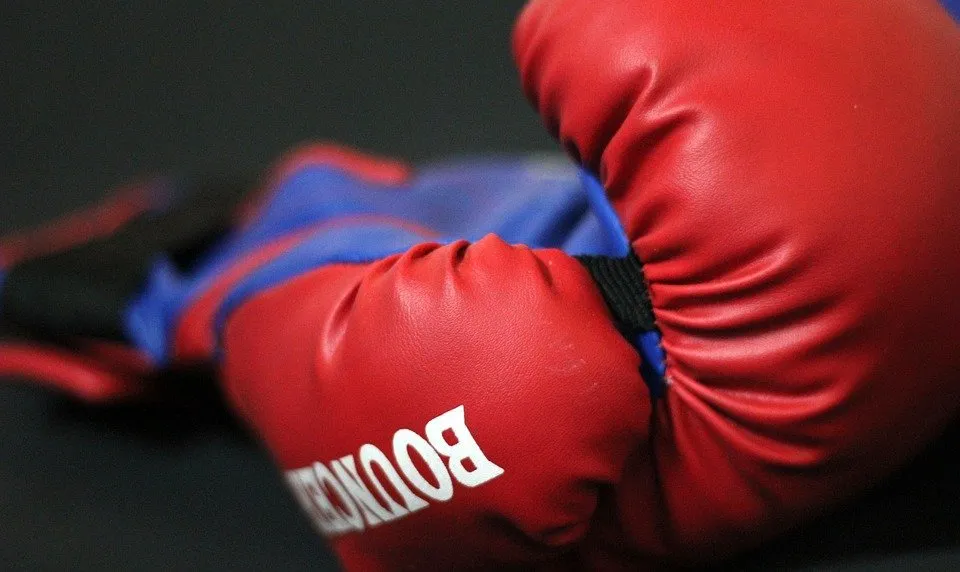
Boxing
Volley Ball
You probably wouldn’t be too surprised to learn that the sport with the highest participation rate in the world is soccer. But did you know that volleyball is number two? That’s right – whether it’s indoor or beach, volleyball is a hugely popular sport among both men and women. In fact, almost a half million high school students in the U.S. alone play volleyball every year. So whether you are the parent of a teen volleyball player or an avid beach volleyball rec league participant, we want you to be ready for you next season – and that means avoiding injuries!
Most Common Volleyball Injuries
• Finger injuries
No one who has played volleyball for even a minute is surprised by this.  Whether the finger is jammed, fractured, or dislocated, all that hand action with a fast-flying ball is bound to lead to finger injuries now and then.
• Ankle injuries
Ankle injuries are also common among volleyball players. Jumping and landing hard and awkwardly or quick side to side and front to back moves can leave ankles open to twisting, sprains, and even fractures.
• Knee injuries
The causes of knee injuries are the same as ankle injuries, with the extra added danger of the digs that require players to drop to their knees or dive for a ball. Knee pads can help, but can’t prevent all knee injuries in this high-impact scene.
• Shoulder injuries
Many shoulder injuries among volleyball players are from repeated movements but some injuries, like a rip to the rotator cuff, can happen suddenly if muscles aren’t properly prepared for sudden movement.
• Lower back problems
The arching and twisting of the back that is so often required during volleyball can cause muscles, tendons, ligaments, and even the spine itself to suffer damage and misalignment during practice or matches.
Martial Arts
Mixed martial arts (MMA) is an exciting combat sport that combines different body movements and disciplines, including a range of different fighting techniques. Although this type of fighting is an incredible way to keep in shape and practice a sport that you love to do, it is extremely demanding physically. Throughout MMA training and professional fights, the health of your body is at great risk. Excessive training and repetitive movements of the ligaments, muscles, and joints will lead to severe and possibly permanent injuries if left untreated. Mixed martial arts (MMA) involves repetitive movements at high velocities and intensities and there’s a lot of contact and tons of grueling training where people tend to push themselves further than they need to go. It’s all part of MMA’s mind over matter, self- testing kind of nature where competitors tend to fight through the pain regularly during training in order to heighten their toughness physically and mentally.
MMA has quickly surged into focus as an incorporation of many martial arts into one greater umbrella. It’s become the way forward for many martial artists and includes karate, jiu-jitsu, wrestling, mu-tai, judo, kung-fu, kick-boxing, boxing and many other combat disciplines. Mixed martial artists focus on capturing the body during its peak state – where the nervous system is perfectly in tune with mind, body and the muscles which do the physical work. It’s no wonder that chiropractors have really helped mixed martial artists refine this nervous system tuning due to their advanced knowledge of neurological and musculoskeletal functions and processes. There are many methods for chiropractic practice for fighters and martial artists but one of the most popular is ‘The Zone’ method which enables chiropractors to tap into which ‘zones’ of the body require attention.
Benefits of Chiropractic Treatment for MMA Fighters
During MMA training there is a great emphasis on repeating motions and movements until they’re thoroughly ingrained into our muscle memories.

Repetitive movements help train reflexes and response times but also makes martial artists prone to repetitive strain injuries. Over training can result in pain and inflammation, or stiffness and loss of mobility, all of which hinder strict and disciplined MMA training regimes. Because of the focus, drive and discipline mixed martial artists apply to their trade, they’re at high risk of overdoing it and picking up an RSI (repetitive strain injury).
Sports Chiropractors look to relieve existing injuries and encourage rapid healing as well as prevent injuries or injury recurrence and strengthen target areas so they’re less injury prone. Chiropractors’ expertise in neurological and biomechanical structures enables them to concentrate on the mind body interface which martial artists have concentrated on honing for centuries – they can heighten a mixed martial artists reflexes through nerve decompression and flexibility adjustments.
Flexibility is obviously one of the keys to being fit and healthy and it is vital for high performance in MMA, chiropractors are adept at gradually unlocking stiff joints which have become tight and sore through training, helping mixed martial artists regain flexibility more quickly after contest or training. Through intelligent manipulation of joints, chiropractors and encourage the body to heal a certain area too by improving blood flow and nutrient provision the area.
Chiropractors are directly trained to look into your sport and its demands in intense detail and then perform neurological, orthopedic and musculoskeletal examinations which combined with x-rays, form an excellent detailed picture of your body’s stress points and weak areas. Using this information, chiropractors can prescribe exercises and administer treatment to get you back on top very quickly and over time, good habits instated by chiropractors will save you time and pain.
Staying fit and improving your cognitive functions is an essential part of being a successful MMA fighter, but like any other sport, injuries will compromise the health and jeopardy of your MMA training in Chicago. While medicine may seem to be the go-to option when in pain, chiropractic care is the ideal, natural option for MMA fighters. Here are some of the benefits of Chiropractic treatments for MMA fighters in Chicago:
Treat Back and Neck Pain for MMA Fighters
Mixed Martial Artists are constantly using different parts of their bodies,  and unfortunately, their necks and backs take quite a bit of the stress from kicking and punching. While these injuries can negatively affect a fighter’s performance, chiropractic care with Advanced Spine & Sports Care can heal and prevent future issues. Neck and back pain adjustments and treatment will treat any pain you feel while strengthening the muscles to prevent any future issues.
Dislocation Adjustments for MMA Fighters
Dislocated shoulders are extremely common for MMA fighters, and having them treated right away is essential. While a regular medical professional may be able to reset the shoulder and give you some painkillers to reduce any discomfort, our chiropractors work with you to reduce any pain and swelling naturally while improving your process in the future.
The Healing of Ligament Tears
A wide number of MMA fighters suffer from excruciating ligament tears, and they can be from direct blows to the joint or a sudden change in movement. Ligament injuries will result in minor, mild, or major pain leading to decreased mobility and performance issues. Chiropractic treatment will help with the reduction of pain and healing of the underlying injury without the need for medications or injections. Ligament mobility and strength will increase and offer a full range of motion and improved performance.
Muscle Trauma Improvement MMA Fighters
Muscle trauma such as a strained or pulled muscle will occur when it is overstretched or torn due to overuse, improper use, or fatigue. Chiropractic care at Advanced Spine & Sports Care will properly assist in muscle trauma and restoring the proper function. Following chiropractic care, MMA fighters will find relief from muscle inflammation caused by trauma. Contact us for Sports Chiropractic Treatment Plans for MMA Fighters
Mixed martial artists are at risk for sports injury due to the velocity & repetition of movement. There are an endless amount of ways that chiropractic care for MMA fighters will improve their health and performance. Trust in the professionals at Advanced Spine & Sports Care to get you back in the ring performing better than ever.
Weightlifting
Sports Chiropractic Care for Weightlifters

Weightlifting is no longer just for the guys who want to get huge muscles. Studies have shown that strength training is the most effective way to build lean body mass and to burn fat all day long. Men and women of every age lift weights these days, either using machines or free weights and while serious injuries are rare among weight lifters, there are a few injuries that can become serious among weight lifters – but the good news is that it is also pretty easy to avoid injury as as weight lifter.
The best injury is the injury that never happens, right? So we’d love to see you before you get injured during a workout. We will help you align your spine and discuss proper posture with you, give you tips on building your core strength, and show you gentle flexing and strengthening moves you can do throughout your day. Chiropractors work with the understanding that the parts of the body are connected: what happens to one part can affect another part. For that reason, we can also talk to you about gentle stretching and strengthening exercises for other areas of your body, such as your ankles and hips.
Unfortunately, injuries happen to even the best prepared athletes and if you get injured, we are here to help you on your road to recovery. Whether your injury is to your foot, your shoulder, or your back, we can help you recover faster and more fully – that is, be less likely to re-injure the same area again. We use stim machines, heat and cold therapy, massage, and chiropractic techniques to ensure that the rest of your body stays in optimal working condition while we heal your injury. Furthermore, we help you make sure that your injured area doesn’t become overly tight or weak from lack of movement or use while it is healing. If you’re a weightlifter, give us a call today to schedule an appointment with one of our board-certified chiropractors who can talk to you about preventing and treating injuries from weightlifting.
Tennis
Most Common Tennis Injuries
Tennis is enjoyed by millions worldwide and its blend of interval style running and upper body strength means it’s a brilliant competitive sport and form of exercise. Tennis requires endurance, flexibility and agility and it uses a lot of repetitive motions in the forms of different types of swing. Flexibility is an absolute must when playing tennis and it’s extremely important for preventing injury and keeping players fit and able. It’s no surprise, then, that some of the world’s top players like Andy Murray, Roger Federer and Novak Djokovic use chiropractors to keep themselves at the top of their game
The most common injuries associated to tennis are repetitive strain injuries to the arms, wrists and upper body. One common injury is ‘tennis elbow’ which is used to describe pain located on the outer part of the elbow and the upper forearm. This overuse injury happens when the tendon becomes inflamed over the bony protuberance on the outer part of the elbow which is named the lateral epicondyle. Tennis elbow can be treated by a chiropractor who can encourage proper healing to the area through exercises.

The tennis serve places a lot of stress through one side of the body and can force motions through the pelvis and SI joints which become a common cause of one sided low back pain. If this force doesn’t travel with fluidity then joints become stressed easily and pain can easily be referred to other parts of the body. A correct diagnosis of referred pain is vital for healing the correct part of the body and chiropractors are adept at understanding the origin of an injury rather than just the area which hurts. The shoulder and scapula can also often become overused and then restricted and strained in their respective movements from the serve with such pain radiating across the back or down the arm.
Ways To Prevent Common Tennis Injuries
Common Tennis Injuries & Prevention Methods
Tennis is a exciting, competitive sport that tests your physical strength and strategic skills. Unfortunately, like most sports, there is always a chance that you can injure yourself during the game. According to the National Safety Council, In 2015, over 23,000 people visited the emergency room for a tennis injury.
Symptoms of a tennis injury include:
Pain, tenderness, and weakness
The injured area is warm to the touch
Back pain that gradually worsens
Weakened hand grip
Rotator Cuff Injury
The rotator cuff is full of tendons and muscles that provide stability and rotate the shoulder. A rotator cuff injury can happen gradually over time, or it can be instant. Swinging a tennis racket over and over can cause a rotator cuff tear, especially when overtraining. Chiropractic care can ensure that you have the proper treatment to get you back on the court.
Preventing a rotator cuff tear: To prevent a rotator cuff injury, we recommend daily stretches such as the parallel arm shoulder stretch and reverse shoulder stretch. It’s also important to take adequate rest times and ice your shoulder after training and matches.
Ankle Sprains
Tennis is a fast-paced game, and it requires moving around the court quickly. Your ankles are under a lot of stress when having to switch directions in a second. Ankle sprains need to be treated right away so that you prevent damages to the tendons, muscles, and joints.
Ankle Sprain Prevention: Use padded tennis socks (or two pairs of regular socks). It may feel a little bit uncomfortable at first, but it is worth it to protect your ankles. Also, make sure to use athletic shoes that provide exceptional support.
Stress Fractures in the Back
When you hear about a fracture, it is easy to think of the worst, and though they aren’t as severe, they are nothing to take lightly. Stress fractures are not always painful, and that is what makes them so dangerous. Over time these fractures gradually get worse, especially when playing a high-intensity game like tennis. Tennis can cause stress fractures in the back due to the movements required to serve the ball, and to bend and rotate as you play.
Stress Fracture Prevention: Hiring a tennis instructor to help you get your service right without excessively arching your back and how to balance your body weight. Back strengthening exercises will keep your back strong and help prevent injuries.
Jumper’s Knee
For most players, jumping is a part of playing the game. This can cause small tears and strain on the tendon that attaches the kneecap to the shinbone. These small tears may not be painful at first, but over time they will get worse and lead to a more severe injury. Constant checkups with your sports injury specialist at Advanced Spine and Sports Care are essential to keep you on the court playing!
Jumper’s Knee Prevention: The best thing you can do is to not push yourself too much. You love the game, but if you overexert your body, it will lead to unexpected accidents and injuries. Make sure to switch up your routine and do low-impact sports such as swimming and walking.
Tennis Elbow
Tennis Elbow is the most common tennis injury. It causes inflammation of the tendons connecting the forearm muscles to the outside of the elbow. It is caused by the repetitive motion that happens every time you swing your back. Tennis elbow feels like pain or burning on the outside of the elbow and can also cause a weak grip.
Prevention: Always use the right racket. Choose a professional racket from a local tennis center. You can ask them for the perfect racket that is right for you. They will ensure you have the correct:
- Grip size
- String tension
- Racket size
- Weight
If you do experience an injury while playing tennis and you don’t want to wait a long time to get back to the game, contact Dynamic Spine Center for quick and personalized treatment options. Though chiropractors are most widely known for their treatment of spinal injuries, their knowledge of musculoskeletal bodily functions allows them to better treat many other injuries which involve biomechanical structures. Through the increase of flow in nutrients enabled by chiropractic treatment comes a quicker path to healing the elbow and chiropractors can also assess your swing with a medically trained eye which can spot small errors which may pose an issue with your particular body.
It isn’t just elbow injuries though, tennis also involves a lot of twisting of the back which stresses the discs of cartilage and joints of the lumbar spine. This is the chiropractic’s chief specialism and restoring back flexibility can be achieved through adjustments which help restore nerve function and decompress muscles to reduce stiffness. Because of chiropractor’s knowledge in the nervous system they have an intrinsic understanding of bodily structures and how they’re controlled by our nervous system and tuning up this connection is a much respected way to increase tennis performance for professionals and amateurs alike. Staying flexible and fit is the best way to stay motivated to play as there’s nothing worse than experiencing pain when playing the sport you love and people find a couple of small adjustments made by a chiropractic can sort out vague and obvious issues alike.
Chiropractic Treatments for Tennis Injuries
Though chiropractors are most widely known for their treatment of spinal injuries,
their knowledge of musculoskeletal bodily functions allows them to better treat many other injuries which involve biomechanical structures.

Through the increase of flow in nutrients enabled by chiropractic treatment comes a quicker path to healing the elbow and chiropractors can also assess your swing with a medically trained eye which can spot small errors which may pose an issue with your particular body. It isn’t just elbow injuries though, tennis also involves a lot of twisting of the back which stresses the discs of cartilage and joints of the lumbar spine. This is the chiropractic’s chief specialism and restoring back flexibility can be achieved through adjustments which help restore nerve function and decompress muscles to reduce stiffness. Because of chiropractor’s knowledge in the nervous system they have an intrinsic understanding of bodily structures and how they’re controlled by our nervous system and tuning up this connection is a much respected way to increase tennis performance for professionals and amateurs alike.
Staying flexible and fit is the best way to stay motivated to play as there’s nothing worse than experiencing pain when playing the sport you love and people find small adjustments made by a chiropractic can sort out vague and obvious issues alike. With a professional and personal team, each patient will be given the time and energy from each of our professionals ready to assist them in every way possible.

Golf

Even though it might seem like a docile sport, when played intensively over long periods, the repetitive movements made during the swing can cause all manner of biomechanical issues that coupled with a good helping of walking and carrying of equipment can lead to injuries. The golf swing is the hallmark of the sport, its fluid motion is athletic and precise and many of the body’s structures are used, from the arms to the upper body and much of the back. Furthermore, golf relies on your body’s core strength and stability in the execution of the proper golf swing and that comes directly from the spine and its surrounding structures. Lastly, golf swings are repetitive and use similar muscle groups over and over, meaning golf injuries are most often strains from overuse. The spine is certainly being used in a few ways during golf and often falls victim to minor or major injury at some stage during someone’s golf career.
Most golfer’s injuries and primary complaints are due to back pain, specifically in the lower back. Bending at an angle needed to execute a swing without adequate flexibility isn’t easy and many golfers will have a stiff lower back after a game. After subsequent rounds, this can turn into full blown inflammation and pain as discs of cartilage are displaced and nerves are compressed.
Chiropractic care can play a very important role in avoiding these issues as one of its main principles is returning and reinforcing flexibility in the joints. This is achieved through proper manipulation of the affected areas which rehabilitates damaged areas to decrease stiffness and pain, and then through strengthening those areas and the core in order to prevent recurrence of injury.
Golfers have found chiropractic extremely useful in keeping their backs supple and flexible. This core strength allows the rest of the body to be more efficient in the swing, energy is transferred more efficiently through muscle groups and the body’s structures work in unison. This is vital for golfers who play competitively or frequently – a small adjustment in the back can make huge differences, in fact, many golfers who visit a chiropractor are astonished by how much flexibility is unlocked in their back.
Chiropractors can help your stiff back by returning discs gradually into the right places between vertebrae. Nerves are decompressed, decreasing pain and nutrients and blood cna then flow more easily to affected areas, accelerating the healing process. Chiropractors are adept at focussing on neurological and musculoskeletal factors that comprise a golf swing and can quickly suss out what the issue is and then provide you with exercises and treatment options for weakened, troublesome areas that can be healed and then strengthened to maximise your enjoyment and performance.