Dynamic Spine Center

CALL NOW

BOOK NOW

OUR LOCATION

OFFICE HOURS

,

Isotonix® TLS® Find Your Fit Kit

$119.95

Includes (2) TLS Nutrition Shakes (1 Chocolate Delight, 1 Creamy Vanilla), Isotonix Multivitamin (30 Servings) and TLS CORE (60 Servings)

Benefits

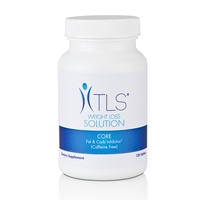
nutraMetrix® TLS® CORE Fat & Carb Inhibitor*:

  • Helps promote weight loss
  • Supports leptin sensitivity, which may help to manage hunger and stimulate lipolysis
  • May help to reduce fat stores in the body
  • Promotes reduction in body mass index (BMI)
  • Inhibits the amylase enzyme and slows the absorption of carbohydrates into the bloodstream
  • Helps maintain normal blood sugar levels

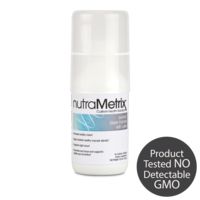
nutraMetrix® Isotonix® Multivitamin*:

  • Contains 100 percent or more of the recommended daily value of essential vitamins and minerals to help supplement deficiencies in diet
  • Contains vitamins that support the body’s ability to metabolize fats and carbohydrates, and support a healthy body weight

nutraMetrix® TLS® Nutrition Shakes*:

  • One 8-oz. shake provides over one third of the USDA’s recommended daily allowance of 22 different vitamins and minerals
  • Great source of protein and calcium
  • Adequate calcium and vitamin D as part of a healthful diet, along with physical activity, may reduce the risk of osteoporosis in later life

* These statements have not been evaluated by the Food and Drug Administration.
This product(s) is not intended to diagnose, treat, cure or prevent any disease.


Ingredients

nutraMetrix® TLS® CORE:

Chromium (100 mcg/serving; 200 mcg/day)
Dietary chromium is an essential trace mineral assisting in the metabolism and use of carbohydrates and fat. Known as the glucose tolerance factor, chromium promotes the delivery of blood sugar to cells thereby helping to maintain normal insulin activity. Chromium also helps maintain healthy levels of cholesterol and other blood lipids. Due to the role it plays in metabolism, chromium is commonly added to natural weight loss products.*

Phaseolus vulgaris (White Kidney Bean Extract) (445 mg/serving; 890 mg/day)
Research has shown that supplementation with white kidney bean extract promoted a greater reduction in body weight, body mass index (BMI) and fat mass. Scientifically known as Phaseolus vulgaris, white kidney bean is classified as an amylase inhibitor. Amylase is an enzyme that breaks down starchy carbohydrates into more easily absorbed sugars such as glucose. As individuals age, the ability to use carbohydrates from the diet slows down, causing increased glucose in the blood stream leading to excess storage in the form of fat. Amylase plays a role in the digestion of carbohydrates and subsequently in the absorption of unwanted calories. Supplementation with white kidney bean extract allows certain carbohydrates to pass through the body undigested, stopping them from eventually being converted into fat. This bypass of undigested carbohydrates may reduce and normalize levels of simple sugars (glucose) in the blood.*

LeptiCore® (300 mg/serving; 600 mg/day)
LeptiCore has been clinically proven to help reduce body weight, stored body fat, and waist and hip size. LeptiCore – a proprietary, safe and natural complex of plant-based polysaccharides and esterified fatty acids – has demonstrated the ability to enhance support weight loss. LeptiCore targets critical mechanisms involved with body fat storage. LeptiCore supports the normal activity of leptin, a hormone involved with hunger signals. Imagine leptin as a mail messenger. Now imagine the brain as a mail box. In overweight people, there is a lock on the mail box and the mail messenger cannot deliver the mail on any day. LeptiCore is the key that unlocks the mail box, allowing mail to be delivered. With LeptiCore, leptin sensitivity is supported. LeptiCore supports the ability of leptin to enter the brain and signal the stomach that it is full. Supporting leptin sensitivity has the potential to increase satiety, decrease appetite, promote normal blood sugar balance, and increase thermogenesis – a significant component of the metabolic rate.*

GreenSelect® Phytosome® Green Tea Decaffeinated Extract (150 mg/serving; 300 mg/day)
GreenSelect Phytosome is unlike the regular green teas you see on the market today. It is a combination of standardized decaffeinated green tea extract and soy phospholipids (lipids that are composed mainly of fatty acids, a phosphate group, and a simple organic molecule). It is designed to help protect the body from the negative effects of free radicals and enhance the product’s bioavailability and efficacy.*

Green tea has long been studied for its powerful antioxidant properties. It is also believed to promote a healthy metabolic rate, which helps you burn more calories and achieve weight loss. Scientific research has also demonstrated that standardized green tea extracts promote fat oxidation, or the breakdown of stored fat for energy.*

nutraMetrix®Isotonix® Multivitamin:

Vitamin A (Beta-Carotene/Vitamin A pre-cursor): 10,000 IU
Vitamin A is a fat-soluble vitamin. Sources of vitamin A include organ meats (such as liver and kidney), egg yolks, butter, carrot juice, squash, sweet potatoes, spinach, peaches, fortified dairy products and cod liver oil. Vitamin A is also part of a family of compounds including retinol, retinal and beta-carotene. Beta-carotene, also known as pro-vitamin A, can be converted into vitamin A when additional levels are required. All the body’s tissues need Vitamin A for general growth and repair. Vitamin A helps to promote healthy night vision, support normal bone growth and support an antioxidant defense and a healthy immune system.*

Vitamin C (Ascorbic Acid): 150 mg
Vitamin C is found in peppers (sweet, green, red, hot red and green chili), citrus fruits and brussels sprouts, cauliflower, cabbage, kale, collards, mustard greens, broccoli, spinach, guava, kiwi fruit, currants and strawberries. Nuts and grains contain small amounts of vitamin C. It is important to note that cooking destroys vitamin C activity.
Vitamin C is integral in supporting a healthy immune system, promoting cardiovascular health, helping to maintain healthy cholesterol levels and providing an antioxidant defense. The body does not manufacture vitamin C on its own, nor does it store it. Therefore, vitamin C must be acquired through diet and supplementation.*

Thiamin (Vitamin B1): 2.6 mg
Thiamin plays an important role in carbohydrate metabolism and nerve function. Thiamin is required for a healthy nervous system and assists in the production of the neurotransmitter acetylcholine and gamma-aminobutyric acid (GABA). It is used in the manufacture of hydrochloric acid, and therefore plays a part in digestion, increases energy and helps promote mental clarity.*

Pantothenic Acid (Vitamin B5): 20 mg
Pantothenic acid (B5) is the transfer agent for choline to acetylcholine, which promotes proper neurotransmitter activity in the brain. Pantothenic acid is also known as the anti-stress vitamin because it detoxifies brain tissue, helps relieve physical and emotional stress and plays a very important role in the secretion of hormones.*

Niacin (Vitamin B3): 40 mg
Niacin is a water-soluble vitamin necessary for many aspects of health, growth and reproduction. It is part of the vitamin B complex. Niacin supports the functioning of the digestive system, skin and nerves. It is also important for the conversion of food to energy. Niacin (also known as vitamin B-3) is found in dairy products, poultry, fish, lean meats, nuts and eggs as well as legumes and enriched breads and cereals.*

Vitamin B12 (Cyanocobalamin): 75 mcg
Vitamin B12 is naturally found in meats, liver, beef, pork, eggs, whole milk, cheese, whole wheat bread and fish. Vitamin B12 can only be found in animal products, with small amounts derived from fermented soy products such as miso and tempeh, and peanuts. It is essential that vegetarians consume a vitamin B12 supplement to maintain optimal health. Vitamin B12, when ingested, is stored in the liver and other tissues for later use. The synthetic form of vitamin B12, cyanocobalamin, is not derived from either plants or animals and is intrinsic in the maintenance of normal functioning body cells, especially those of the nervous system (protecting the sheaths of nerve cells), bone marrow and intestinal tract. These tissues are the first to exhibit signs of vitamin B12 depletion. Vitamin B12 itself is responsible for maintaining optimum energy levels as it plays a vital role in the Krebs energy cycle. It is also a great anti-aging ingredient and helps increase concentration.*

Folic Acid: 400 mcg
Folic acid is mainly found in fruits and vegetables. Dark leafy greens, oranges, orange juice, beans and peas are the best sources as well as Brewer’s yeast, which supplies additional B-vitamins. Folic acid plays a key role by boosting the benefits of vitamin B12 supplementation. These two B-vitamins join forces and work together in maintaining normal red blood cells. Folic acid assists in the normal utilization of amino acids and proteins as well as promoting the normal construction of the material for DNA and RNA synthesis. Scientific studies have found that when working in tandem with folic acid, vitamin B12 is capable of promoting a healthy cardiovascular and nervous system.*

Riboflavin 5-Phosphate (Vitamin B2): 3 mg
Vitamin B2 is found in liver, dairy products, dark green vegetables and some types of seafood. Vitamin B2 serves as a co-enzyme, working with other B vitamins. It promotes healthy blood and supports both the nervous system and normal human growth. It supports healthy skin, nails, hair growth and helps maintain a healthy thyroid. Vitamin B2 plays a crucial role in turning food into energy as a part of the electron transport chain, driving cellular energy on the micro-level. Vitamin B2 aids in the breakdown of fats while functioning as a cofactor or helper in activating B6 and folic acid. Vitamin B2 is water-soluble and cannot be stored by the body except in insignificant amounts; thus, it must be replenished daily. Under some conditions, vitamin B2 can act as an antioxidant. The riboflavin coenzymes are also important for the transformation of vitamin B6 and folic acid into their active forms and for the conversion of tryptophan into niacin.*

Pyridoxine HCl (Vitamin B6): 4 mg
Poultry, fish, whole grains and bananas are the main dietary sources of vitamin B6. Vitamin B6 is a co-factor required for protein and amino acid metabolism and helps maintain proper fluid balance. It also assists in the maintenance of healthy red and white blood cells. Vitamin B6 is required for hemoglobin synthesis. It is involved in the synthesis of neurotransmitters in brain and peripheral nerve cells, it has been recommended as a nutrient to enhance mental function, specifically mood, and it supports normal nerve conduction. Some athletic supplements include vitamin B6 because it promotes the conversion of glycogen to glucose, for energy in muscle tissue. Vitamin B6, when taken with folic acid, has been shown to help maintain normal plasma levels of homocysteine, which promotes optimal cardiovascular health. Vitamin B6 should be administered as a part of a complex of other B-vitamins for best results.*

Vitamin D3 (Cholecalciferol): 1,000 IU
Regular sunlight exposure is the main way that most humans get their vitamin D. Food sources of vitamin D are vitamin D-fortified milk (100 IU per cup), cod liver oil, and fatty fish such as salmon. Small amounts are found in egg yolks and liver. Vitamin D promotes the absorption of calcium and phosphorus and supports the production of several proteins involved in calcium absorption and storage. Vitamin D works with calcium to promote hard, strong bones. It works to promote active transport of calcium out of the osteoblasts into the extra-cellular fluid and in the kidneys, promotes calcium and phosphate uptake by renal tubules. Vitamin D also promotes the normal absorption of dietary calcium and phosphate uptake by the intestinal epithelium. It promotes healthy growth and repair of tissues, and supports overall skin health.*

Vitamin E (d-alpha-Tocopherol Succinate): 66 IU
The most valuable sources of dietary vitamin E include vegetable oils, margarine, nuts, seeds, avocados and wheat germ. Safflower oil contains large amounts of vitamin E (about two thirds of the RDA in ¼ cup) and there are trace amounts in corn oil and soybean oil. Vitamin E is actually a family of related compounds called tocopherols and tocotrienols. Vitamin E is available in a natural or synthetic form. In most cases, the natural and synthetic forms are identical except the natural form of vitamin E is better absorbed and retained in the body. The natural form of alpha-tocopherol is known as “d-alpha tocopherol.” (The natural form is found in Isotonix® Multivitamin.) The synthetic “dl-” form is the most common form found in dietary supplements. For those individuals watching their dietary fat consumption, which is relatively common in the world of dieting, vitamin E intake is likely to be low, due to a reduced intake of foods with high fat content.*

The main health benefit of supplemental vitamin E comes from its immune-boosting antioxidant activity. It also supports normal healing and is known to promote cardiovascular health. Vitamin E is one of the most powerful fat-soluble antioxidants in the body. In turn, vitamin E protects cell membranes from free radical damage.*

Calcium (Lactate, Phosphate): 53.8 mg
Calcium is found in milk, cheese, yogurt, corn tortillas, Chinese cabbage (Napa), kale and broccoli. Calcium is an essential mineral with a wide range of biological roles. Calcium exists in bone primarily in the form of hydroxyapatite (Ca10 (PO4)6 (OH) 2).

Hydroxyapatite comprises approximately 40 percent of the weight of bone. The skeleton has an obvious structural requisite for calcium. The skeleton also acts as a storehouse for calcium. Apart from being a major constituent of bones and teeth, calcium promotes normal muscle contraction, nerve conduction, cardiovascular health, the production of energy and helps maintain a healthy immune system.*

A sufficient daily calcium intake is necessary for maintaining bone density and maintaining healthy teeth and bones. Calcium has been shown to reduce the symptoms of PMS in women. When the body does not obtain enough calcium each day, it draws calcium from the bones causing them to thin, leading to osteoporosis. Osteoporosis is the age-related thinning of the bones, which can lead to a higher risk of broken hips, ribs, pelvis and other weakened bones. This is in addition to stooped posture associated with advanced age, which is caused by an accumulation of small fractures in the vertebrae.*

The PTH (parathyroid hormone) regulates the amount of calcium in the blood. High levels of calcium in the body have been associated with cardiovascular health in postmenopausal women and maintaining normal cholesterol levels. Low levels of calcium have been associated with reduced bone mass and osteoporosis.*

Chromium (Nicotinate): 120 mcg
Chromium is found naturally in some cereals, meats, poultry, brewer’s yeast, broccoli, prunes mushrooms, fish and beer. Chromium is an essential trace mineral that promotes normal glucose metabolism and regulation of insulin levels, and helps the body maintain of healthy blood levels of cholesterol and other fats. Chromium combines to form something in the body called glucose tolerance factor, or GTF, which promotes normal insulin activity in regulating blood sugar levels. Chromium has been shown to help reduce overall body fat, control hunger and suppress appetite. Many people in the weight loss industry view chromium as an integral mineral in weight maintenance. Chromium may also contribute to an increase in lean body and muscle mass.*

Copper (Gluconate): 100 mcg
The richest sources of dietary copper derive from organ meats, seafood, nuts, seeds, wheat bran cereal, whole grain products and cocoa products. Copper may have some antioxidant properties and acts as a component of enzymes in iron metabolism. It is an essential trace mineral. Copper is needed in normal infant development, iron transport, bone strength, cholesterol metabolism, myocardial contractility, glucose metabolism, brain development and immune function.*

Iodine (Potassium Iodide): 150 mcg
Iodine is found in most seafood and in iodized salt. It is a necessary component of thyroid hormones and helps regulate and maintain a properly functioning metabolism.*

Magnesium (Carbonate): 25 mg
Foods rich in magnesium include unpolished grains, nuts and green vegetables. Green leafy vegetables are potent sources of magnesium because of their chlorophyll content. Meats, starches and milk are less rich sources of magnesium. Refined and processed foods are generally quite low in magnesium. The average daily magnesium intake in the U.S. for males nine years and older is estimated to be about 323 milligrams; for females nine years and older, it is estimated to be around 228 milligrams.

Magnesium is a component of the mineralized part of bone and is necessary for the metabolism of potassium and calcium in adults. It helps maintain normal levels of potassium, phosphorus, calcium, adrenaline and insulin. It is also important for the mobilization of calcium, transporting it inside the cell for further utilization. It plays a key role in the functioning of muscle and nervous tissue. Magnesium is necessary for the synthesis of all proteins, nucleic acids, nucleotides, cyclic adenosine monophosphate, lipids and carbohydrates.*

Magnesium is required for release of energy and it promotes the normal regulation of body temperature and proper nerve function, it helps the body handle stress, and it promotes a healthy metabolism. Magnesium works together with calcium to promote the normal regulation of the heart and blood pressure. Importantly, magnesium is also required by the body to build healthy bones and teeth, and promotes proper muscle development. It works together with calcium and vitamin D to help keep bones strong. Magnesium also promotes cardiovascular health by supporting normal platelet activity and helping to maintain normal cholesterol levels.*

Manganese (Gluconate): 2 mg
Manganese is a mineral found in large quantities in both plant and animal matter. The most valuable dietary sources of manganese include whole grains, nuts, leafy vegetables and teas. Manganese is concentrated in the bran of grains, which is often removed during processing. There are several forms of supplementary manganese, including manganese gluconate, manganese sulfate, manganese ascorbate, and manganese amino acid chelates.

Only trace amounts of this element can be found in human tissue. Manganese is predominantly stored in the bones, liver, kidney and pancreas. It supports the normal formation of connective tissue, bones, blood-clotting factors and sex hormones. It promotes normal fat and carbohydrate metabolism, calcium absorption and blood sugar regulation. Manganese also promotes normal brain and nerve function.*

Potassium (Bicarbonate): 108 mg
Foods rich in potassium include fresh vegetables and fruits such as bananas, oranges, cantaloupe, avocado, raw spinach, cabbage and celery. Potassium is an essential macromineral that helps to keep fluid balance. It also plays a role in a wide variety of biochemical and physiological processes. Among other things, it supports normal nerve impulses, cardiac, skeletal and smooth muscle contractions, energy production, synthesis of nucleic acids, and helps maintain intracellular tonicity and normal blood pressure. Potassium promotes normal muscle relaxation and insulin release. It also promotes glycogen and protein synthesis. Potassium is an electrolyte that promotes proper heartbeat. Potassium is important in releasing energy from protein, fat, and carbohydrates during metabolism.*

Potassium also helps regulate water balance and assists recuperative powers. Potassium supports the normal elimination of wastes. Potassium promotes normal healing and generally contributes to a sense of well-being. Potassium is stored in the muscles.*

Selenium (Amino Acid Chelate): 55 mcg
The best dietary sources of selenium include nuts, unrefined grains, brown rice, wheat germ, and seafood. In the body, selenium functions as part of an antioxidant enzyme called glutathione peroxidase as well as promoting normal growth and proper usage of iodine in thyroid functioning. Selenium also supports the antioxidant effect of vitamin E and is often added to vitamin E supplements. As part of the antioxidant, glutathione peroxidase, selenium plays a direct role in the body’s ability to protect cells from damage by free radicals.*

Silicon (Dioxide): 2 mg
The richest sources of silicon are cereal products and unrefined grains with high fiber content. Most of the silicon in the body is located in connective tissues, bone, tendons, the trachea, the aorta, skin, hair and nails.

Zinc (Lactate): 7.5 mg
Zinc is largely found in fortified cereals, red meats, eggs, poultry and certain seafood, including oysters. It is a component of multiple enzymes and proteins. It is also involved in the regulation of gene expression. Zinc is an essential trace mineral that has functions in approximately 300 different enzyme reactions. Thus, zinc plays a part in almost all biochemical pathways and physiological processes. More than 90 percent of the body’s zinc is stored in the bones and muscles, but zinc is also found in virtually all body tissues. It has been claimed that zinc supports normal healing and the immune system, promotes a healthy prostate gland and supports healthy sperm quality. Because zinc is involved in such a great number of enzymatic processes it has been found to support a large range of functions including digestion, energy production, growth, cellular repair, collagen synthesis, bone strength, cognitive function and carbohydrate metabolism.*

Biotin (Vitamin B7): 300 mcg
Biotin can be found in food sources, such as egg yolks, peanuts, beef liver, milk (10 mcg/cup), cereals, almonds and Brewer’s yeast. Biotin is used in healthy cell growth, the production of fatty acids, metabolism of fats and amino acids. It plays a role in the Citric acid cycle, which is the process in which biochemical energy is generated during aerobic respiration. Biotin not only assists in various metabolic chemical conversions but also helps to transfer carbon dioxide. Biotin is also helpful in maintaining a steady blood sugar level. Biotin is often recommended for strengthening hair and nails.

nutraMetrix® TLS® Nutrition Shake:

Vitamin A (Beta-Carotene/Vitamin A pre-cursor): 1,750 IU
Vitamin A is a fat-soluble vitamin. Sources of vitamin A include organ meats (such as liver and kidney), egg yolks, butter, carrot juice, squash, sweet potatoes, spinach, peaches, fortified dairy products and cod liver oil. Vitamin A is also part of a family of compounds including retinol, retinal and beta-carotene. Beta-carotene, also known as pro-vitamin A, can be converted into vitamin A when additional levels are required. All the body’s tissues need Vitamin A for general growth and repair. Vitamin A helps to promote healthy night vision, support normal bone growth and support an antioxidant defense and a healthy immune system.*

Vitamin C (Ascorbic Acid): 21 mg
Vitamin C is found in peppers (sweet, green, red, hot red and green chili), citrus fruits and brussels sprouts, cauliflower, cabbage, kale, collards, mustard greens, broccoli, spinach, guava, kiwi fruit, currants and strawberries. Nuts and grains contain small amounts of vitamin C. It is important to note that cooking destroys vitamin C activity.

Vitamin C is integral in supporting a healthy immune system, promoting cardiovascular health, helping to maintain healthy cholesterol levels and providing an antioxidant defense. The body does not manufacture vitamin C on its own, nor does it store it. Therefore, vitamin C must be acquired through diet and supplementation.*

Thiamin (Vitamin B1): 0.525 mg
Thiamin plays an important role in carbohydrate metabolism and nerve function. Thiamin is required for a healthy nervous system and assists in the production of the neurotransmitter acetylcholine and gamma-aminobutyric acid (GABA). It is used in the manufacture of hydrochloric acid, and therefore plays a part in digestion, increases energy and helps promote mental clarity.*

Pantothenic Acid (Vitamin B5): 20 mg
Pantothenic acid (B5) is the transfer agent for choline to acetylcholine, which promotes proper neurotransmitter activity in the brain. Pantothenic acid is also known as the anti-stress vitamin because it detoxifies brain tissue, helps relieve physical and emotional stress and plays a very important role in the secretion of hormones.*

Niacin (Vitamin B3): 7 mg
Niacin is a water-soluble vitamin necessary for many aspects of health, growth and reproduction. It is part of the vitamin B complex. Niacin supports the functioning of the digestive system, skin and nerves. It is also important for the conversion of food to energy. Niacin (also known as vitamin B-3) is found in dairy products, poultry, fish, lean meats, nuts and eggs as well as legumes and enriched breads and cereals.*

Vitamin B12 (Cyanocobalamin): 2.1 mcg
Vitamin B12 is naturally found in meats, liver, beef, pork, eggs, whole milk, cheese, whole wheat bread and fish. Vitamin B12 can only be found in animal products, with small amounts derived from fermented soy products such as miso and tempeh, and peanuts. It is essential that vegetarians consume a vitamin B12 supplement to maintain optimal health. Vitamin B12, when ingested, is stored in the liver and other tissues for later use. The synthetic form of vitamin B12, cyanocobalamin, is not derived from either plants or animals and is intrinsic in the maintenance of normal functioning body cells, especially those of the nervous system (protecting the sheaths of nerve cells), bone marrow and intestinal tract. These tissues are the first to exhibit signs of vitamin B12 depletion. Vitamin B12 itself is responsible for maintaining optimum energy levels as it plays a vital role in the Krebs energy cycle. It is also a great anti-aging ingredient and helps increase concentration.*

Folic Acid: 140 mcg
Folic acid is mainly found in fruits and vegetables. Dark leafy greens, oranges, orange juice, beans and peas are the best sources as well as Brewer’s yeast, which supplies additional B-vitamins. Folic acid plays a key role by boosting the benefits of vitamin B12 supplementation. These two B-vitamins join forces and work together in maintaining normal red blood cells. Folic acid assists in the normal utilization of amino acids and proteins as well as promoting the normal construction of the material for DNA and RNA synthesis. Scientific studies have found that when working in tandem with folic acid, vitamin B12 is capable of promoting a healthy cardiovascular and nervous system.*

Riboflavin 5-Phosphate (Vitamin B2): 7 mg
Vitamin B2 is found in liver, dairy products, dark green vegetables and some types of seafood. Vitamin B2 serves as a co-enzyme, working with other B vitamins. It promotes healthy blood and supports both the nervous system and normal human growth. It supports healthy skin, nails, hair growth and helps maintain a healthy thyroid. Vitamin B2 plays a crucial role in turning food into energy as a part of the electron transport chain, driving cellular energy on the micro-level. Vitamin B2 aids in the breakdown of fats while functioning as a cofactor or helper in activating B6 and folic acid. Vitamin B2 is water-soluble and cannot be stored by the body except in insignificant amounts; thus, it must be replenished daily. Under some conditions, vitamin B2 can act as an antioxidant. The riboflavin coenzymes are also important for the transformation of vitamin B6 and folic acid into their active forms and for the conversion of tryptophan into niacin.*

Pyridoxine HCl (Vitamin B6): 0.7 mg
Poultry, fish, whole grains and bananas are the main dietary sources of vitamin B6. Vitamin B6 is a co-factor required for protein and amino acid metabolism and helps maintain proper fluid balance. It also assists in the maintenance of healthy red and white blood cells. Vitamin B6 is required for hemoglobin synthesis. It is involved in the synthesis of neurotransmitters in brain and peripheral nerve cells, it has been recommended as a nutrient to enhance mental function, specifically mood, and it supports normal nerve conduction. Some athletic supplements include vitamin B6 because it promotes the conversion of glycogen to glucose, for energy in muscle tissue. Vitamin B6, when taken with folic acid, has been shown to help maintain normal plasma levels of homocysteine, which promotes optimal cardiovascular health. Vitamin B6 should be administered as a part of a complex of other B-vitamins for best results.*

Vitamin D3 (Cholecalciferol): 140 IU
Regular sunlight exposure is the main way that most humans get their vitamin D. Food sources of vitamin D are vitamin D-fortified milk (100 IU per cup), cod liver oil, and fatty fish such as salmon. Small amounts are found in egg yolks and liver. Vitamin D promotes the absorption of calcium and phosphorus and supports the production of several proteins involved in calcium absorption and storage. Vitamin D works with calcium to promote hard, strong bones. It works to promote active transport of calcium out of the osteoblasts into the extra-cellular fluid and in the kidneys, promotes calcium and phosphate uptake by renal tubules. Vitamin D also promotes the normal absorption of dietary calcium and phosphate uptake by the intestinal epithelium. It promotes healthy growth and repair of tissues, and supports overall skin health.*

Vitamin E (d-alpha-Tocopherol Succinate): 10.5 IU
The most valuable sources of dietary vitamin E include vegetable oils, margarine, nuts, seeds, avocados and wheat germ. Safflower oil contains large amounts of vitamin E (about two thirds of the RDA in ¼ cup) and there are trace amounts in corn oil and soybean oil. Vitamin E is actually a family of related compounds called tocopherols and tocotrienols. Vitamin E is available in a natural or synthetic form. In most cases, the natural and synthetic forms are identical except the natural form of vitamin E is better absorbed and retained in the body. The natural form of alpha-tocopherol is known as “d-alpha tocopherol.” (The natural form is found in Isotonix® Multivitamin.) The synthetic “dl-” form is the most common form found in dietary supplements. For those individuals watching their dietary fat consumption, which is relatively common in the world of dieting, vitamin E intake is likely to be low, due to a reduced intake of foods with high fat content.*

The main health benefit of supplemental vitamin E comes from its immune-boosting antioxidant activity. It also supports normal healing and is known to promote cardiovascular health. Vitamin E is one of the most powerful fat-soluble antioxidants in the body. In turn, vitamin E protects cell membranes from free radical damage.*

Calcium (Lactate, Phosphate): 455 mg
Calcium is found in milk, cheese, yogurt, corn tortillas, Chinese cabbage (Napa), kale and broccoli. Calcium is an essential mineral with a wide range of biological roles. Calcium exists in bone primarily in the form of hydroxyapatite (Ca10 (PO4)6 (OH) 2).

Hydroxyapatite comprises approximately 40 percent of the weight of bone. The skeleton has an obvious structural requisite for calcium. The skeleton also acts as a storehouse for calcium. Apart from being a major constituent of bones and teeth, calcium promotes normal muscle contraction, nerve conduction, cardiovascular health, the production of energy and helps maintain a healthy immune system.*

A sufficient daily calcium intake is necessary for maintaining bone density and maintaining healthy teeth and bones. Calcium has been shown to reduce the symptoms of PMS in women. When the body does not obtain enough calcium each day, it draws calcium from the bones causing them to thin, leading to osteoporosis. Osteoporosis is the age-related thinning of the bones, which can lead to a higher risk of broken hips, ribs, pelvis and other weakened bones. This is in addition to stooped posture associated with advanced age, which is caused by an accumulation of small fractures in the vertebrae.*

The PTH (parathyroid hormone) regulates the amount of calcium in the blood. High levels of calcium in the body have been associated with cardiovascular health in postmenopausal women and maintaining normal cholesterol levels. Low levels of calcium have been associated with reduced bone mass and osteoporosis.*

Chromium (Nicotinate): 42 mcg
Chromium is found naturally in some cereals, meats, poultry, brewer’s yeast, broccoli, prunes mushrooms, fish and beer. Chromium is an essential trace mineral that promotes normal glucose metabolism and regulation of insulin levels, and helps the body maintain healthy blood levels of cholesterol and other fats. Chromium combines to form something in the body called glucose tolerance factor, or GTF, which promotes normal insulin activity in regulating blood sugar levels. Chromium has been shown to help reduce overall body fat, control hunger and suppress appetite. Many people in the weight-loss industry view chromium as an integral mineral in weight maintenance. Chromium may also contribute to an increase in lean body and muscle mass.*

Copper (Gluconate): 0.7 mcg
The richest sources of dietary copper derive from organ meats, seafood, nuts, seeds, wheat bran cereal, whole grain products and cocoa products. Copper may have some antioxidant properties and acts as a component of enzymes in iron metabolism. It is an essential trace mineral. Copper is needed in normal infant development, iron transport, bone strength, cholesterol metabolism, myocardial contractility, glucose metabolism, brain development and immune function.*

Iodine (Potassium Iodide): 52.5 mcg
Iodine is found in most seafood and in iodized salt. It is a necessary component of thyroid hormones and helps regulate and maintain a properly functioning metabolism.*

Magnesium (Carbonate): 240 mg
Foods rich in magnesium include unpolished grains, nuts and green vegetables. Green leafy vegetables are potent sources of magnesium because of their chlorophyll content. Meats, starches and milk are less rich sources of magnesium. Refined and processed foods are generally quite low in magnesium. The average daily magnesium intake in the U.S. for males nine years and older is estimated to be about 323 milligrams; for females nine years and older, it is estimated to be around 228 milligrams.

Magnesium is a component of the mineralized part of bone and is necessary for the metabolism of potassium and calcium in adults. It helps maintain normal levels of potassium, phosphorus, calcium, adrenaline and insulin. It is also important for the mobilization of calcium, transporting it inside the cell for further utilization. It plays a key role in the functioning of muscle and nervous tissue. Magnesium is necessary for the synthesis of all proteins, nucleic acids, nucleotides, cyclic adenosine monophosphate, lipids and carbohydrates.*

Magnesium is required for release of energy and it promotes the normal regulation of body temperature and proper nerve function, it helps the body handle stress, and it promotes a healthy metabolism. Magnesium works together with calcium to promote the normal regulation of the heart and blood pressure. Importantly, magnesium is also required by the body to build healthy bones and teeth, and promotes proper muscle development. It works together with calcium and vitamin D to help keep bones strong. Magnesium also promotes cardiovascular health by supporting normal platelet activity and helping to maintain normal cholesterol levels.*

Manganese (Gluconate): 0.7 mg
Manganese is a mineral found in large quantities in both plant and animal matter. The most valuable dietary sources of manganese include whole grains, nuts, leafy vegetables and teas. Manganese is concentrated in the bran of grains, which is often removed during processing. There are several forms of supplementary manganese including manganese gluconate, manganese sulfate, manganese ascorbate, and manganese amino acid chelates.

Only trace amounts of this element can be found in human tissue. Manganese is predominantly stored in the bones, liver, kidney and pancreas. It supports the normal formation of connective tissue, bones, blood-clotting factors and sex hormones. It promotes normal fat and carbohydrate metabolism, calcium absorption and blood sugar regulation. Manganese also promotes normal brain and nerve function.*

Potassium (Bicarbonate): 730 mg
Foods rich in potassium include fresh vegetables and fruits such as bananas, oranges, cantaloupe, avocado, raw spinach, cabbage and celery. Potassium is an essential macromineral that helps to keep fluid balance. It also plays a role in a wide variety of biochemical and physiological processes. Among other things, it supports normal nerve impulses, cardiac, skeletal and smooth muscle contractions, energy production, synthesis of nucleic acids, and helps maintain intracellular tonicity and normal blood pressure. Potassium promotes normal muscle relaxation and insulin release. It also promotes glycogen and protein synthesis. Potassium is an electrolyte that promotes proper heartbeat. Potassium is important in releasing energy from protein, fat, and carbohydrates during metabolism.*

Potassium also helps regulate water balance and assists recuperative powers. Potassium supports the normal elimination of wastes. Potassium promotes normal healing and generally contributes to a sense of well-being. Potassium is stored in the muscles.*

Selenium (Amino Acid Chelate): 24.5 mcg
The best dietary sources of selenium include nuts, unrefined grains, brown rice, wheat germ, and seafood. In the body, selenium functions as part of an antioxidant enzyme called glutathione peroxidase as well as promoting normal growth and proper usage of iodine in thyroid functioning. Selenium also supports the antioxidant effect of vitamin E and is often added to vitamin E supplements. As part of the antioxidant, glutathione peroxidase, selenium plays a direct role in the body’s ability to protect cells from damage by free radicals.*

Zinc (Lactate): 5.25 mg
Zinc is largely found in fortified cereals, red meats, eggs, poultry and certain seafood, including oysters. It is a component of multiple enzymes and proteins. It is also involved in the regulation of gene expression. Zinc is an essential trace mineral that has functions in approximately 300 different enzyme reactions. Thus, zinc plays a part in almost all biochemical pathways and physiological processes. More than 90 percent of the body’s zinc is stored in the bones and muscles, but zinc is also found in virtually all body tissues. It has been claimed that zinc supports normal healing and the immune system, promotes a healthy prostate gland and supports healthy sperm quality. Because zinc is involved in such a great number of enzymatic processes it has been found to support a large range of functions including digestion, energy production, growth, cellular repair, collagen synthesis, bone strength, cognitive function and carbohydrate metabolism.*

Biotin (Vitamin B7): 105 mcg
Biotin can be found in food sources, such as egg yolks, peanuts, beef liver, milk (10 mcg/cup), cereals, almonds and Brewer’s yeast. Biotin is used in healthy cell growth, the production of fatty acids, metabolism of fats and amino acids. It plays a role in the Citric acid cycle, which is the process in which biochemical energy is generated during aerobic respiration. Biotin not only assists in various metabolic chemical conversions but also helps to transfer carbon dioxide. Biotin is also helpful in maintaining a steady blood sugar level. Biotin is often recommended for strengthening hair and nails.

Protein: 18 g
Protein doesn’t spike your blood sugar and helps you feel full.  Protein also plays an important role in maintaining or building muscle mass to perform even common tasks with ease.  Plant sources of protein (such as soy) are preferable over animal sources, because they are not a significant source of saturated fats.

Fibersol-2® (soluble fiber flucose polymer complex) 10 g
Fibersol-2 is a soluble fiber having a positive impact on the elimination of wastes and colon cleansing, as well as helping to maintain balanced bowels, helping support normal bowel regularity and fecal volume, and supporting healthy digestive function. Fibersol-2 is a spray-dried powder made by the pyrolysis and stabilized enzymatic hydrolysis of cornstarch. It is a safe (GRAS) maltodextrin, easily mixed in water and carries no flavor. Fibersol-2 has a very low viscosity, high solubility, low hygroscopicity and clarity in solution. Because it is high in naturally occurring chemical bonds that remain undigested even in the digestive tract, it helps to support overall health by helping to maintain normal cholesterol levels, helping to maintain normal blood glucose levels and promoting immune health.

Also contains: Milk, soy, sunflower oil complex, natural and artificial flavors, gum blend, silica, salt, and Splenda®

* These statements have not been evaluated by the Food and Drug Administration.
This product(s) is not intended to diagnose, treat, cure or prevent any disease.

Science

  • Anderson, R., et al. Chromium supplementation of human subjects: effects on glucose, insulin, and lipid variables. Metabolism. 32(9): 894-899, 1983.
  • Anderson, R., et al. Elevated intakes of supplemental chromium improve glucose and insulin variables in individuals with type 2 diabetes. Diabetes. 46(11): 1786-1791, 1997.
  • Anderson, R. Effects of chromium on body composition and weight loss. Nutrition Reviews. 56(9): 266-270, 1998.
  • Blundell, J., et al.  Regulation of appetite: role of leptin in signaling systems for drive and satiety.  International Journal of Obesity.  25(Supplement 1): 529-534, 2001.
  • Bray, G. and York, D. Clinical review 90: Leptin and clinical medicine: a new piece in the puzzle of obesity. Journal of Clinical Endocrinology and Metabolism. 82(9):2771-6, 1997.
  • Cakir, B., et al.  Leptin inhibits gastric emptying in rats: role of CCK receptors and vagal afferent fibers. Physiology Research.  56: 315-322, 2007.
  • Cefalu, W. and Hu, F.  Role of chromium in human health and in diabetes.  Diabetes Care. 27: 2741- 2751, 2004.
  • Celleno, L., et al. A dietary supplement containing standardized Phaseolus vulgaris extract influences body composition of overweight men and women. International Journal of Medical Sciences. 4(1):45-52, 2007.
  • Cohen P., et al. Selective deletion of leptin receptor in neurons leads to obesity. Journal of Clinical Investigation. 108(8):1113-21, 2001.
  • Di Pierro, F., et al. GreenSelect® Phytosome as an adjunct to a low-calorie diet for treatment of obesity: a clinical trial. Alternative Medicine Review. 14:154-160, 2009.
  • Flegal, K., et al. Prevalence and trends in obesity among US adults, 1999-2008. JAMA. 303(3):235-241, 2010.
  • Fox, G. and Sabovic, Z. Chromium picolinate supplementation for diabetes mellitus. The Journal of Family Practice. 46: 83-86, 1998.
  • French, S. Effects of dietary fat and carbohydrate on appetite vary depending upon site and structure.  British Journal of Nutrition.  93(Supplement 1): S23-S26, 2004.
  • Friedman, J. The function of leptin in nutrition, weight, and physiology. Nutrition Reviews. 60(10 Pt 2):S1-14; discussion S68-84, 85-7, 2002.  Review.
  • Kaats, G., et al. A randomized, double-masked, placebo-controlled study of the effects of chromium picolinate supplementation on body composition: a replication and extension of a previous study. Current Therapeutic Research. 59(6): 379-387, 1998.
  • Kuate, D., et al. The use of LeptiCore in reducing fat gain and managing weight loss in patients with metabolic syndrome.  Lipids in Health and Disease.  9: 1-7, 2010.
  • Lee, N. and Reasner, C. Beneficial effect of chromium supplementation on serum triglyceride levels in NIDDM. Diabetes Care. 17(12): 1449-1452, 1994.
  • Martin, J., et al. Chromium picolinate supplementation attenuates body weight gain and increases insulin sensitivity in subjects with type 2 diabetes. Diabetes Care. 29(8): 1826-1832, 2006.
  • Obiro, W., et al. The nutraceutical role of Phaseolus vulgaris alpha-amylase inhibitor. British Journal of Nutrition. 100: 1-12, 2008.
  • Pittler, M. and Ernst, E. Dietary supplements for body-weight reduction: a systematic review. American Journal of Clinical Nutrition. 79(4): 529-536, 2004.
  • Preuss, H. and Anderson, R. Chromium update: examining recent literature 1997-1998. Current Opinion in Clinical Nutrition and Metabolic Care. 1(6): 509-512, 1998.
  • Preuss H. Bean amylase inhibitor and other carbohydrate absorption blockers: effects on diabesity and general health. Journal of the American College of Nutrition. 28(3):266-76, 2009.
  • Qi, Y., et al. Adiponectin acts in the brain to decrease body weight. Nature Medicine. 10(5):524-9, 2004.
  • Rabinovitz, H., et al. Effect of chromium supplementation on blood glucose and lipid levels in type 2 diabetes mellitus elderly patients. International Journal of Vitamin and Nutrition Research. 74(3):178-82, 2004.
  • Sinha, M. Evidence of free and bound leptin in human circulation. Studies in lean and obese subjects and during short-term fasting. Journal of Clinical Investigation. 98(6):1277-82, 1996.
  • Sparti, A., et al. Effect of diets high or low in unavailable and slowly digestible carbohydrates on the pattern of 24-h substrate oxidation and feeling of hunger in humans.  The American Journal of Clinical Nutrition.  73: 1462-1468, 2000.
  • TalYeh, G., et al. Systematic review of herbs and dietary supplements for glycemic control in diabetes. Diabetes Care. 26(4): 1277-1294, 2003.
  • Udani J., et al. Blocking carbohydrate absorption and weight loss: a clinical trial using Phase 2 brand proprietary fractionated white bean extract. Alternative Medicine Review.  9(1):63-9, 2004.
  • Udani, J and Singh B. Blocking carbohydrate absorption and weight loss: a clinical trial using a proprietary fractionated white bean extract. Alternative Therapies in Health and Medicine. 13(4):32-7, 2007.
  • Venables, M., et al. Green tea extract ingestion, fat oxidation and glucose tolerance in healthy humans. American Journal of Clinical Nutrition. 87:778-84, 2008.
  • Wang, M., et al. Fat storage in adipocytes requires inactivation of leptin’s paracrine activity: implications for treatment of human obesity. Proceedings National Academy of Sciences USA. 102(50):18011-6, 2005.
  • Zeman, M., et al. Leptin, adiponectin, leptin to adiponectin ratio and insulin resistance in depressive women. Neuro Endocrinology Letters. 30(3):387-95, 2009.

 Scientific Support for nutraMetrix® TLS® On the Go Shakes:Isotonix® Multivitamin:

  • Abbasi AA, Prasad AS, Rabbani P, DuMouchelle E. Experimental zinc deficiency in man. Effect on testicular function. J Lab Clin Med. 1980 Sep;96(3):544-50.
  • Abid M, Billington CJ, Nuttall FQ. Thyroid function and energy intake during weight gain following treatment of hyperthyroidism. J Am Coll Nutr. 1999 Apr;18(2):189-93.
  • Addison WLT, The use of sodium chloride, potassium chloride, sodium bromide and potassium bromide in cases of arterial hypertension which are amenable to potassium chloride. Can Med Assoc J. 1928; 18:281-285.
  • Allende LM, Corell A, Madrono A, Gongora R, Rodriguez-Gallego C, Lopez-Goyanes A, Rosal M, Arnaiz-Villena A. Retinol (vitamin A) is a cofactor in CD3-induced human T-lymphocyte activation. Immunology. 1997 Mar;90(3):388-96
  • Anderson RA. Effects of chromium on body composition and weight loss. Nutr Rev. 1998 Sep;56(9):266-70.
  • Arthur JR. Functional indicators of iodine and selenium status. Proc Nutr Soc. 1999 May;58(2):507-12.
  • Backstrom MC, Maki R, Kuusela AL, Sievanen H, Koivisto AM, Ikonen RS, Kouri T, Maki M. Randomised controlled trial of vitamin D supplementation on bone density and biochemical indices in preterm infants. Arch Dis Child Fetal Neonatal Ed. 1999 May;80(3):F161-6.
  • Bahadori B, Wallner S, Schneider H, Wascher TC, Toplak H. Effect of chromium yeast and chromium picolinate on body composition of obese, non-diabetic patients during and after a formula diet. Acta Med Austriaca. 1997;24(5):185-7.
  • Baly DL, Schneiderman JS, Garcia-Welsh AL. Effect of manganese deficiency on insulin binding, glucose transport and metabolism in rat adipocytes. J Nutr. 1990; 120:1075-1079.
  • Baron JA, Beach M, Mandel JS, et al. Calcium supplements for the prevention of colorectal adenomas. N Engl J Med 1999;340:101-107.
  • Baron JA, Tosteson TD, Wargovich MJ, et al. Calcium supplementation and rectal mucosal proliferation: a randomized controlled trial. J Natl Cancer Inst 1995;87:1303-1307.
  • Bates CJ. Vitamin A. Lancet. 1995; 345:31-35.
  • Baxter GF, Sumeray MS, Walker JM. Infant size and magnesium: insights into LIMIT-2 and ISIS-4 from experimental studies. Lancet. 1996; 348:1424-1426.
  • Behl C. Vitamin E and other antioxidants in neuroprotection. Int J Vitam Nutr Res. 1999 May;69(3):213-9. 4. Botterweck AA, van den Brandt PA, Goldbohm RA. Vitamins, carotenoids, dietary fiber, and the risk of gastric carcinoma: results from a prospective study after 6.3 years of follow-up. Cancer. 2000 Feb 15;88(4):737-48.
  • Bellamy MC, Gedney JA. Unrecognized iron deficiency in critical illness. Lancet. 1998; 352:1903.
  • Beutler E, Larsh SE, Gurney CW. Iron therapy in chronically fatigued nonanemic women: a double-blind study. Ann Intern Med. 1960; 52:378-394.
  • Bostick RM, Kushi LH, Wu Y, et al. Relation of calcium, vitamin D, and dairy food intake to ischemic heart disease mortality among postmenopausal women. Am J Epidemiol 1999;149:151-160.
  • Britton J, Pavord I, Richards K, et al. Dietary magnesium, lung function, wheezing, and airway hyper-reactivity in a random adult population sample. Lancet. 1994; 344:357-362.
  • Brown JE, Wahle KW Effect of fish-oil and vitamin E supplementation on lipid peroxidation and whole-blood aggregation in man. Clin Chim Acta. 1990 Dec 14;193(3):147-56.
  • Brun JF, Dieu-Cambrezy C, Charpiat A, Fons C, Fedou C, Micallef JP, Fussellier M, Bardet L, Orsetti A. Serum zinc in highly trained adolescent gymnasts. Biol Trace Elem Res. 1995 Jan-Mar;47(1-3):273-8.
  • Bruner AB, Joffe A, Duggan A, et al. Randomised study of cognitive effects of iron supplementation in non-anaemic iron-deficient adolescent girls. Lancet. 1996; 348:992-997.
  • Buchinger W, Lorenz-Wawschinek O, Semlitsch G, Langsteger W, Binter G, Bonelli RM, Eber O. Thyrotropin and thyroglobulin as an index of optimal iodine intake: correlation with iodine excretion of 39,913 euthyroid patients. Thyroid. 1997 Aug;7(4):593-7.
  • Butterfield DA, Koppal T, Subramaniam R, Yatin S. Vitamin E as an antioxidant/free radical scavenger against amyloid beta-peptide-induced oxidative stress in neocortical synaptosomal membranes and hippocampal neurons in culture: insights into Alzheimer’s disease. Rev Neurosci. 1999;10(2):141-9
  • Calomme MR, Vandem Berghe DA. Supplementation of calves with stabilized orthosilicic acid. Effect on the Si, Ca, Mg, and P concentrations in serum and the collagen concentration in skin and cartilage. Biol Trace Elem Res. 1997; 56:153-165.
  • Cappuccio FP, MacGregor GA. Does potassium supplementation lower blood pressure? A meta-analysis of published trials. J Hypertens. 1991; 9:465-473.
  • Carlisle EM. Silicon as a trace nutrient. Sci Total Environ. 1988; 73:95-106.
  • Carlisle EM. The nutritional essentiality of silicon. Nutr Rev. 1982; 40:193-198.
  • Casscells W. Magnesium and myocardial infarction. Lancet. 1994; 343:807-809.
  • Christiansen CW, Rieder MA, Silverstein EL, Gencheff NE. Magnesium sulfate reduces myocardial infarct size when administered before but not after coronary reperfusion in a canine model. Circulation. 1995; 92:2617-2621.
  • Comstock GW, Alberg AJ, Huang HY, Wu K, Burke AE, Hoffman SC, Norkus EP, Gross M, Cutler RG, Morris JS, Spate VL, Helzlsouer KJ. The risk of developing lung cancer associated with antioxidants in the blood: ascorbic acid, carotenoids, alpha-tocopherol, selenium, and total peroxyl radical absorbing capacity. Cancer Epidemiol Biomarkers Prev. 1997 Nov;6(11):907-16.
  • Cooke MS, Evans MD, Podmore ID, et al. Novel repair action of vitamin C upon in vivo oxidative DNA damage. FEBS Lett. 1998; 439:363-367.
  • Cooney RV, Franke AA, Hankin JH, Custer LJ, Wilkens LR, Harwood PJ, Le Marchand L. Seasonal variations in plasma micronutrients and antioxidants. Cancer Epidemiol Biomarkers Prev. 1995 Apr-May;4(3):207-15.
  • Couzy F, Lafargue P, Guezennec CY. Zinc metabolism in the athlete: influence of training, nutrition and other factors. Int J Sports Med. 1990 Aug;11(4):263-6.
  • Dallman PR. Iron deficiency and the immune response. Am J Clin Nutr. 1987; 46:329-334.
  • Daudu PA, Kelley DS, Taylor PC, Burri BJ, Wu MM. Effect of a low beta-carotene diet on the immune functions of adult women. Am J Clin Nutr. 1994 Dec;60(6):969-72.
  • Dawson-Hughes B. Vitamin D and calcium: recommended intake for bone health. Osteoporos Int. 1998;8 Suppl 2:S30-4. 6. Feit JM. Calcium and vitamin D supplements for elderly patients. J Fam Pract. 1997 Dec;45(6):471-2.
  • de Lourdes Lima M, Cruz T, Carreiro Pousada J, et al. The effect of magnesium supplementation in increasing doses on the control of type 2 diabetes. Diabetes Care. 1998; 21:682-686.
  • de Valk B, Marx JJM. Iron, atherosclerosis, and ischemic heart disease. Arch Int Med. 1999; 159:1542-1548.
  • Dietary Reference Intakes for Calcium, Phosphorous, Magnesium, Vitamin D, and Fluoride. Washington, DC: National Academy Press; 1997.
  • Dorgan JF, Schatzkin A. Antioxidant micronutrients in cancer prevention. Hematol Oncol Clin North Am. 1991 Feb;5(1):43-68.
  • Dreon DM, Butterfield GE. Vitamin B6 utilization in active and inactive young men. Am J Clin Nutr. 1986 May;43(5):816-24.
  • Duffy SJ, Gokce N, Holbrook M, et al. Treatment of hypertension with ascorbic acid. Lancet. 1999; 354:2048-2049.
  • Durlach J, Durlach V, Bac P, et al. Magnesium and therapeutics. Magnes Res. 1994; 7:313-328.
  • Elisaf M, Merkouropoulos M, Tsianos EV. Siamopoulos KC. Pathogenetic mechanisms of hypomagnesemia in alcoholic patients. J Trace Elem Med Biol. 1995; 9:210-214.
  • Elitsur Y, Neace C, Liu X, Dosescu J, Moshier JA. Vitamin A and retinoic acids immunomodulation on human gut lymphocytes. Immunopharmacology. 1997 Jan;35(3):247-53.
  • Enstrom JE, Kanim LE, Klein MA. Vitamin C intake and mortality among a sample of the United States population. Epidemiology. 1992; 3:194-202.
  • Facchinetti F, Borella P, Sances G, et al. Oral magnesium successfully relieves premenstrual mood changes. Obstet Gynecol. 1991; 78:177-181.
  • Facchinetti F, Borella P, Sances G, et al. Oral magnesium successfully relieves premenstrual mood changes. Obstet Gynecol. 1991; 78:177-181.
  • Fairbanks VF. Iron in medicine and nutrition. In: Shils ME, Olson JA, Shike M, Ross AC, eds. Modern Nutrition in Health and Disease. Baltimore, MD: Williams and Wilkins; 1999:193-221.
  • Fang J, Madhavan S, Alderman MH. Dietary potassium intake and stroke mortality. Stroke. 2000; 31:1532-1537.
  • Fields M, Lewis CG. Starch diets high in iron can duplicate the severity of copper deficiency in rats fed fructose. J Med Food. 1998; 1:193-199.
  • Finch CA, Huebers H. Perspectives in iron metabolism. N Engl J Med. 1982; 306:1520-1528.
  • Flatt PR, Juntti-Berggren L, Berggren PO, Gould BJ, Swanston-Flatt SK. Failure of glucose tolerance factor-containing Brewer’s yeast to ameliorate spontaneous diabetes in C57BL/KsJ DB/DB mice. Diabetes Res. 1989 Mar;10(3):147-51.
  • Futoryan T, Gilchrest BA. Retinoids and the skin. Nutr Rev. 1994; 52:299-310.
  • Gleeson M, Bishop NC. Elite athlete immunology: importance of nutrition. Int J Sports Med. 2000 May;21 Suppl 1:S44-50.
  • Grant KE, Chandler RM, Castle AL, Ivy JL. Chromium and exercise training: effect on obese women. Med Sci Sports Exerc. 1997 Aug;29(8):992-8.
  • Gullestad L, Dolva LO, Soyland E, et al. Oral magnesium supplementation improves metabolic variables and muscle strength in alcoholics. Alcohol Clin Exp Res. 1992; 16:986-990.
  • Guo WD, Chow WH, Zheng W, Li JY, Blot WJ. Diet, serum markers and breast cancer mortality in China. Jpn J Cancer Res. 1994 Jun;85(6):572-7.
  • Harris ED. Cellular copper transport and metabolism. Annu Rev Nutr. 2000; 20:291-310.
  • Harrison MD, Jones CE. Solioz M, Dameron CT. Intracellular copper routing: the role of copper chaperones. Trends Biochem Sci. 2000; 25:29-32.
  • Health & Medicine. (Statistical Data Included) American Fitness, July, 1999 Tannen RL. Effects of potassium on blood pressure control. Ann Intern Med. 1983; 98(part 2):773-780.
  • Hemila H, Douglas RM. Vitamin C and acute respiratory infections. Int J Tuberc Lung Dis. 1999; 3:756-761.
  • Hermans JJ, Fischer MA, Schiffers PM, Struijker-Boudier HA. High dietary potassium chloride intake augments rat renal mineralocorticoid receptor selectivity via 11beta-hydroxysteroid dehydrogenase. Biochim Biophys Acta. 1999; 1472:537-549.
  • Hermansen K. Diet, blood pressure and hypertension. Br J Nutr. 2000; 83 Supp1:S113-S119.
  • Hintze G, Kobberling J. Dietary iodine deficiency. Its consequences in the aged. Fortschr Med. 1992 Apr 10;110(10):163-6.
  • Huebers HA, Beguin Y, Pootrakul P, et al. Intact transferrin receptors in human plasma and their relation to erythropoiesis. Blood. 1990; 75:102-107.
  • Hughes K, Chua LH, Ong CN. Serum selenium in the general population of Singapore, 1993 to 1995. Ann Acad Med Singapore. 1998 Jul;27(4):520-3.
  • Hunt CD, Johnson PE, Herbel J, Mullen LK. Effects of dietary zinc depletion on seminal volume and zinc loss, serum testosterone concentrations, and sperm morphology in young men. Am J Clin Nutr. 1992 Jul;56(1):148-57.
  • Hwang J, Peterson H, Hodis HN, et al. Ascorbic acid enhances 17 beta-estradiol-mediated inhibition of oxidized low density lipoprotein formation. Atherosclerosis. 2000; 150:275-284.
  • Ishimitsu T, Tobian L, Sugimoto K, Everson T. High potassium diets reduce vascular and plasma lipid peroxides in stroke-prone spontaneously hypertensive rats. Clin Exp Hypertens. 1996; 18:659-673
  • Ishimitsu T, Tobian L, Sugimoto K, Lange JM. High potassium diets reduce macrophage adherence to vascular wall in stroke-prone spontaneously hypertensive rats. J Vasc Res. 1995; 32:406-412.
  • Ishimitsu T, Tobian L, Uehara Y, et al. Effect of high potassium diets on the vascular and renal prostaglandin system in stroke-prone spontaneously hypertensive rats. Prostaglandins Leukot Essent Fatty Acids. 1995; 53:255-260.
  • Ishimitsu T, Tobian L. High potassium diets reduce endothelial permeability in stroke-prone spontaneously hypertensive rats. Clin Exp Pharmacol Physiol. 1997; 23:241-245.
  • ISIS-4 (Fourth International Study of Infarct Survival) Collaborative Group. ISIS-4: a randomised factorial trial assessing early oral captopril, oral mononitrate, and intravenous magnesium sulfate in 58,050 patients with suspected acute myocardial infarction. Lancet. 1995; 345:669-685.
  • Jacobson SG, Cideciyan AV, Regunath G, et al. Night blindness in Sorsby’s fundus dystrophy reversed by vitamin A. Nature Gen. 1995; 11:27-32.
  • Jin L, ChaoL, Chao J. Potassium supplement upregulates the expression of renal kalikrein and bradykinin B2 receptor in SHR. Am J Physiol. 1999; 276:F476-F484.
  • Johnson WT, Thomas AC. Copper deprivation potentiates oxidative stress in HL-60 cell mitochondria. Proc Soc Exp Biol Med. 1999; 221:147-152.
  • Kao WHL, Folsom AR, Nieto J, et al. Serum and dietary magnesium and the risk for type 2 diabetes mellitus (editorial). Arch. Int Med. 1999; 159:2151-2159.
  • Khaw K-T, Barrett-Conner E. Dietary potassium and stroke-associated mortality. N Engl J Med. 1987; 316:235-240.
  • Klevay LM. Cardiovascular disease from copper deficiency — a history. J Nutr. 2000; 130:489S-492S.
  • Klevay LM. Coronary heart disease: the zinc/copper hypothesis. Am J Clin Nutr. 1975; 28:764-774.
  • Knekt P, Jarvinen R, Seppanen R, Rissanen A, Aromaa A, Heinonen OP, Albanes D, Heinonen M, Pukkala E, Teppo L. Dietary antioxidants and the risk of lung cancer. Am J Epidemiol. 1991 Sep 1;134(5):471-9.
  • Krieger D, Krieger S, Jansen O, et al. Manganese and chronic hepatic encephalopathy. Lancet. 1995; 346:270-274.
  • Krishna GG, Miller E, Kapoor S. Increased blood pressure during potassium depletion in normotensive men. N Eng J Med. 1989; 320:1177-1182.
  • Krotkiewski M, Gudmundsson M, Backstrom P, Mandroukas K. Zinc and muscle strength and endurance. Acta Physiol Scand. 1982 Nov;116(3):309-11.
  • Kung AW, Janus ED. Thyroid dysfunction in ambulatory elderly Chinese subjects in an area of borderline iodine intake. Thyroid. 1996 Apr;6(2):111-4.
  • Lamberg L. Diet may affect skin cancer prevention. JAMA. 1998 May 13;279(18):1427-8.
  • Lee M-O, Han S-Y, Jiang S, et al. Differential effects of retinoic acid on growth and apoptosis in human colon cancer cell lines associated with the induction of retinoic acid receptor beta. Biochem Pharmacol. 2000; 59:485-496.
  • Lim R, Herzog WR. Magnesium for cardiac patients: is it a valuable treatment supplement? Contemp Int Med. 1998; 10:6-9.
  • Lin H, Young DB. Interactions between plasma potassium and epinephrine in coronary thrombosis in dogs. Circulation. 1994; 89:331-338.
  • Loeper J, Goy-Loeper J, Rozensztajn L, Fragny M. The antiatheromatous action of silicon. Atherosclerosis. 1979; 33:397-408.
  • LoPresti JS, Gray D, Nicoloff JT. Influence of fasting and refeeding on 3,3′,5′-triiodothyronine metabolism in man. J Clin Endocrinol Metab. 1991 Jan;72(1):130-6.
  • Lucas MJ, Leveno KJ, Cunningham FG. A comparison of magnesium sulfate with phenytoin for the prevention of eclampsia. N Engl J Med. 1995; 333:201-205.
  • Lukaski HC. Magnesium, zinc, and chromium nutriture and physical activity. Am J Clin Nutr. 2000 Aug;72(2 Suppl):585S-93S.
  • Luoma P. Antioxidants, infections and environmental factors in health and disease in northern Finland. Int J Circumpolar Health. 1998 Jul;57(2-3):109-13.
  • Ma G, Young DB, Clower BR. Inverse relationship between potassium intake and coronary artery disease in the cholesterol-fed rabbit. Am J Hypertens. 1999; 12:821-825.
  • Manore MM. Effect of physical activity on thiamine, riboflavin, and vitamin B-6 requirements. Am J Clin Nutr. 2000 Aug;72(2 Suppl):598S-606S.
  • Martini LA. Magnesium supplementation and bone turnover. Nutr Rev. 1999; 57:227-229.
  • Mauskop A, Altura BM. Role of magnesium in the pathogenesis and treatment of migraines. Clin Neurosci. 1998; 5:24-27.
  • McCabe RD, Backarich MA, Srivastava K, Young DB. Potassium inhibits free radical formation. Hypertension. 1994; 24:77-82.
  • McCabe RD, Young DB. Potassium inhibits cultural vascular smooth muscle proliferation. Am J Hypertens. 1994; 7:346-350.
  • McCarty MF. Chromium and other insulin sensitizers may enhance glucagon secretion: implications for hypoglycemia and weight control. Med Hypotheses. 1996 Feb;46(2):77-80.
  • McDonald R, Keen CL. Iron, zinc and magnesium nutrition and athletic performance. Sports Med. 1988 Mar;5(3):171-84.
  • Meunier PJ. Calcium, vitamin D and vitamin K in the prevention of fractures due to osteoporosis. Osteoporos Int. 1999;9 Suppl 2:S48-52.
  • Miller ER 3rd, Appel LJ, Levander OA, Levine DM. The effect of antioxidant vitamin supplementation on traditional cardiovascular risk factors. J Cardiovasc Risk. 1997 Feb;4(1):19-24.
  • Miller JW. Vitamin E and memory: is it vascular protection? Nutr Rev. 2000 Apr;58(4):109-11. Bell L, Halstenson CE, Halstenson CJ, et al. Cholesterol-lowering effects of calcium carbonate in patients with mild to moderate hypercholesterolemia. Arch Intern Med. 1992; 152:2441-2444.
  • Morse AC, Beard JL, Jones BC. A genetic development model of iron deficiency: biological aspects. Proc Soc Exp Biol Med. 1999; 220:147-152.
  • Ness AR, Chee D, Elliot P. Vitamin C and blood pressure—an overview. J Hum Hypertens. 1997; 11:343-350.
  • Nielsen FH. Ultratrace minerals. In: Shils ME, Olson JA, Shike M, Ross AC, eds. Modern Nutrition in Health and Disease, 9th ed. Baltimore, MD: Williams and Wilkins; 1999:283-303.
  • Nielsen FH. Ultratrace minerals. In: Shils ME, Olson JA, Shike M, Ross AC, eds. Modern Nutrition in Health and Disease. 9th ed. Baltimore, MD: Williams and Wilkins; 199:283-303.
  • Nishi Y. Anemia and zinc deficiency in the athlete. J Am Coll Nutr. 1996 Aug;15(4):323-4.
  • Orchard TJ. Magnesium and type 2 diabetes mellitus (editorial). Arch Int Med. 1999; 159:2119-2120. Keen CL, Ensunsa JL, Watson MH, et al. Nutritional aspects of manganese from experimental studies. Neurotoxicol. 1999; 20:213-223.
  • Paul T, Meyers B, Witorsch RJ, Pino S, Chipkin S, Ingbar SH, Braverman LE. The effect of small increases in dietary iodine on thyroid function in euthyroid subjects. Metabolism. 1988 Feb;37(2):121-4.
  • Pauling L. Evolution and the need for ascorbic acid. Proc Natl Acad SciUSA. 1970; 67:1643-1648.
  • Pauling L. The significance of the evidence about ascorbic acid and the common cold. Proc Natl Acad SciUSA. 1971; 68:2678-2681.
  • Penn ND, Purkins L, Kelleher J, Heatley RV, Mascie-Taylor BH, Belfield PW. The effect of dietary supplementation with vitamins A, C and E on cell-mediated immune function in elderly long-stay patients: a randomized controlled trial. Age Ageing. 1991 May;20(3):169-74.
  • Podmore ID, Griffiths HR, Herbert KE, et al. Vitamin C exhibits pro-oxidant effects. Nature. 1998; 392:559.
  • Prasad AS, Cossack ZT. Neutrophil zinc: an indicator of zinc status in man. Trans Assoc Am Physicians. 1982;95:165-76.
  • Prasad AS. Zinc deficiency in human subjects. Prog Clin Biol Res. 1983;129:1-33.
  • Rayssiguier Y, Gueux E, Bussiere L, Mazur A. Copper deficiency increases the susceptibility of lipoproteins and tissues to peroxidation in rats. J Nutr. 1993; 123:1343-1348.
  • Reading SA. Chromium picolinate. J Fla Med Assoc. 1996 Jan;83(1):29-31.
  • Reinhardt W, Holtermann D, Benker G, Olbricht T, Jaspers C, Reinwein D. Effect of small doses of iodine on thyroid function during caloric restriction in normal subjects. Horm Res. 1993;39(3-4):132-7.
  • Rico H, Gallego-Lago JL, Hernandez ER, at al. Effect of silicon supplement on osteopenia induced by ovariectomy in rats. Calcif Tissue Int. 2000; 66:53-55.
  • Robuschi G, Emanuele R, Cavalli Sforza LT, Arsenio L, Strata A, Gnudi A, Roti E. Effect of iodine administration on thyroid function in diabetic patients. Acta Diabetol Lat. 1984 Oct-Dec;21(4):357-60.
  • Rock E, Mazur A, O’Connor JM, et al. The effect of copper supplementation on red blood cell oxidizability and plasma antioxidants in Middle-aged healthy volunteers. Free Rad Biol Med. 2000; 28:324-329.
  • Rokitzki L, Sagredos A, Keck E, Sauer B, Keul J. Assessment of vitamin B2 status in performance athletes of various types of sports. J Nutr Sci Vitaminol (Tokyo). 1994 Feb;40(1):11-22.
  • Ross AC, Stephensen CB. Vitamin A and retinoids in antiviral responses. FASEB J. 1996; 10:979-985.
  • Ross AC. Vitamin A and retinoids. In: Shils ME, Olson JA, Shike M, Ross AC, eds. Modern Nutrition in Health and Disease. 9th ed. Baltimore, MD: Williams and Wilkins; 1999:305-327.
  • Saari JT, Sahuschke DA. Cardiovascular effects of dietary copper deficiency. Biofactors. 1999; 10:359-375.
  • Schwarz K. A bound form of silicon in glycosaminoglycans and polyuronides. Proc Nat Acad Sci. 1973; 70:1608-1612.
  • Schwarz K. Silicon, fibre, and atherosclerosis. Lancet. 1977; 1:454-457.
  • Scrimshaw NS, San Giovanni JP. Synergism of nutrition, infection, and immunity: an overview. Am J Clin N. 1997; 66:464S-477S.
  • Semba RD. The role of vitamin A and related retinoids in immune function. Nutr Rev. 1998 Jan;56(1 Pt 2):S38-48.
  • Semba RD. Vitamin A and immunity to viral, bacterial and protozoan infections. Proc Nutr Soc. 1999 Aug;58(3):719-27.
  • Semba RD. Vitamin A, immunity, and infection. Clin Infect Dis. 1994 Sep;19(3):489-99.
  • Shephard RJ, Shek PN. Immunological hazards from nutritional imbalance in athletes. Exerc Immunol Rev. 1998;4:22-48.
  • Silva JE. Effects of iodine and iodine-containing compounds on thyroid function. Med Clin North Am. 1985 Sep;69(5):881-98.
  • Singh MA. Combined exercise and dietary intervention to optimize body composition in aging. Ann N Y Acad Sci. 1998 Nov 20;854:378-93.
  • Skaper SD, Fabris M, Ferrari V, et al. quercetin protects cutaneous tissue-associated cell types including sensory neurons from oxidative stress induced by glutathione depletion: cooperative effects of ascorbic acid. Free Rad Biol Med. 1997; 22:669-678.
  • Sohlenius-Sternbeck A-K, Appelkvist E-L, De Pierre JW. Effects of vitamin A deficiency on selected xenobiotic-metabolizing enzymes and defenses against oxidative stress in mouse liver. Biochem Pharmacol. 2000; 59:377-383.
  • Stahelin HB. Critical reappraisal of vitamins and trace minerals in nutritional support of cancer patients. Support Care Cancer. 1993 Nov;1(6):295-7.
  • Strause L, Saltman P, Glowacki J. The effect of deficiencies of manganese and copper on osteo-induction and on resorption of bone particles in rats. Calcif Tissue Int. 1987; 41:145-150
  • Suboticanec K, Stavljenic A, Bilic-Pesic L, Gorajscan M, Gorajscan D, Brubacher G, Buzina R. Nutritional status, grip strength, and immune function in institutionalized elderly. Int J Vitam Nutr Res. 1989;59(1):20-8.
  • Sugimoto K, Tobian L, Ishimutsu T, Lange JM. High potassium diets greatly increase growth-inhibiting agents in aortas of hypertensive rats. Hypertension. 1992; 19:749-752.
  • Sugimoto T, Tobian L, Ganguli MC. High potassium diets protect against dysfunction of endothelial cells in stroke-prone spontaneously hypertensive rats. Hypertension. 1988:11:579-585.
  • Suzuki M, Itokawa Y. Effects of thiamine supplementation on exercise-induced fatigue. Metab Brain Dis. 1996 Mar;11(1):95-106.
  • Taddei S, Virdis A, Ghiadoni L, et al. Vitamin C improves endothelium-dependent vasodilation by restoring nitric oxide activity in essential hypertension. Circulation. 1998; 97:2222-2229.
  • Takahashi T, Fujimori K, Simon SL, Bechtner G, Edwards R, Trott KR. Thyroid nodules, thyroid function and dietary iodine in the Marshall islands. Int J Epidemiol. 1999 Aug;28(4):742-9.
  • Tannen RL. Effects of potassium on blood pressure control. Ann Intern Med. 1983; 98(part 2):773-780.
  • Taylor PR, Li B, Dawsey SM, Li JY, Yang CS, Guo W, Blot WJ. Prevention of esophageal cancer: the nutrition intervention trials in Linxian, China. Linxian Nutrition Intervention Trials Study Group. Cancer Res. 1994 Apr 1;54(7 Suppl):2029s-2031s.
  • Thilly CH, Swennen B, Bourdoux P, Ntambue K, Moreno-Reyes R, Gillies J, Vanderpas JB. The epidemiology of iodine-deficiency disorders in relation to goitrogenic factors and thyroid-stimulating-hormone regulation. Am J Clin Nutr. 1993 Feb;57(2 Suppl):267S-270S.
  • Thurnham DI. Micronutrients and immune function: some recent developments. J Clin Pathol. 1997 Nov;50(11):887-91.
  • Tobian L. Salt and hypertension. Lessons from animal models that relate to human hypertension. Hypertension. 1991; 17:152-158.
  • Toyama T, Kubuki Y, Suzuki M. Tsubouchi H. [Copper deficiency anemia and neutropenia secondary to total gastrectomy]. [Article in Japanese]. Rinsho Ketsueki. 2000; 41:441-443.
  • Trent LK, Thieding-Cancel D. Effects of chromium picolinate on body composition. J Sports Med Phys Fitness. 1995 Dec;35(4):273-80.
  • Turnlund Jr. Copper. In: Shils ME, Olson JA, Shike M. Ross AC, eds. Modern Nutrition in health and Disease, 9th ed. Baltimore, MD: Williams and Wilkins; 1999:241-252.
  • Underwood BA, Arthur P. The contribution of vitamin A to public health. FASEB J. 1996; 10:1040-1048
  • Uusitupa MI, Mykkanen L, Siitonen O, Laakso M, Sarlund H, Kolehmainen P, Rasanen T, Kumpulainen J, Pyorala K. Chromium supplementation in impaired glucose tolerance of elderly: effects on blood glucose, plasma insulin, C-peptide and lipid levels. Br J Nutr. 1992 Jul;68(1):209-16.
  • van den Brandt PA, Goldbohm RA, van ‘t Veer P, Bode P, Dorant E, Hermus RJ, Sturmans F. A prospective cohort study on selenium status and the risk of lung cancer. Cancer Res. 1993 Oct 15;53(20):4860-5.
  • van der Heyden JT, Docter R, van Toor H, Wilson JH, Hennemann G, Krenning EP. Effects of caloric deprivation on thyroid hormone tissue uptake and generation of low-T3 syndrome. Am J Physiol. 1986 Aug;251(2 Pt 1):E156-63.
  • Van Hooser JP, Aleman TS, He Y-G, et al. Rapid restoration of visual pigment and function with oral retinoid in a mouse model of childhood blindness. Proc Natl Acad Sci USA. 2000; 97:8623-8628.
  • Vatassery GT, Bauer T, Dysken M. High doses of vitamin E in the treatment of disorders of the central nervous system in the aged. Am J Clin Nutr. 1999 Nov;70(5):793-801.
  • Vatassery GT. Vitamin E and other endogenous antioxidants in the central nervous system. Geriatrics. 1998 Sep;53 Suppl 1:S25-7.
  • Waggoner DJ, Bartnikas TB, Gitlin JD. The role of copper in neurodegenerative disease. Neurobiology of Disease. 1999; 6:221-230.
  • Wahl R, Pilz-Mittenburg KW, Heer W, Kallee E. Iodine content in diet and excretion of iodine in urine. Z Ernahrungswiss. 1995 Dec;34(4):269-76.
  • Walker LS, Bemben MG, Bemben DA, Knehans AW. Chromium picolinate effects on body composition and muscular performance in wrestlers. Med Sci Sports Exerc. 1998 Dec;30(12):1730-7.
  • Wang Y, Mackenzie B, Tsukaguchi H, et al. Human vitamin C (L-ascorbic acid) transporter SVCT1. Biochem Biophys Res Commun. 2000; 267:488-494.
  • Wargovich MJ, Eng VWS, Newmark HL. Calcium inhibits the damaging and compensatory proliferative effects of fatty acids on mouse colon epithelium. Cancer Lett. 1984; 23:253-258.
  • Weaver CM, Heaney RP. Calcium. In: Shils ME, Olson JA, Shike M, Ross AC, eds. Modern Nutrition in Health and Disease. 9th ed. Baltimore, MD: Williams and Wilkins; 1999:141-155.
  • West KP Jr, Pokhrel RP, Katz J, et al. Efficacy of vitamin A in reducing preschool child mortality in Nepal. Lancet. 1991; 338:67-71.
  • West SG, Light KC, Hinderliter AL, et al. Potassium supplementation induces beneficial cardiovascular changes during rest and stress in salt sensitive individuals. Health Psychol. 1999; 18:229-240.
  • Whelton PK, He J, Cutler JA, et al. Effects of oral potassium on blood pressure. Meta-analysis of randomized controlled clinical triglyceride trials. JAMA. 1997; 277:1624-1632.
  • Wolf RL, Cauley JA, Baker CE, et al. Factors associated with calcium absorption efficiency in pre- and perimenopausal women. Am J Clin Nutr. 2000; 72:466-471.
  • Young DB, Lin H, McCabe RD. Potassium’s cardiovascular protective mechanisms. Am J Physiol. 1995; 268:R825-R837.
  • Young DB, Ma G. Vascular protective effects of potassium. Semin Nephrol. 1999; 19:477-486.
  • Zemel MB, Shi H, Greer B, et al. Regulation of adiposity by dietary calcium. FASEB J. 2000; 14:1132-1138.
  • Zhou B, Wang T, Sun G, Guan P, Wu JM. A case-control study of the relationship between dietary factors and risk of lung cancer in women of Shenyang, China. Oncol Rep. 1999 Jan-Feb;6(1):139-43.
  • Zhou MS, Nishida Y, Yoneyama H, et al. Potassium supplementation increases sodium excretion in hypertensive Dahl rats. Clin Exp Hypertens.

Scientific Support for nutraMetrix® TLS® Nutrition Shakes:

  • Meunier PJ. Calcium, vitamin D and vitamin K in the prevention of fractures due to osteoporosis. Osteoporos Int. 1999;9 Suppl 2:S48-52.
  • Miller ER 3rd, Appel LJ, Levander OA, Levine DM. The effect of antioxidant vitamin supplementation on traditional cardiovascular risk factors. J Cardiovasc Risk. 1997 Feb;4(1):19-24.
  • Nielsen FH. Ultratrace minerals. In: Shils ME, Olson JA, Shike M, Ross AC, eds. Modern Nutrition in Health and Disease, 9th ed. Baltimore, MD: Williams and Wilkins; 1999:283-303.
  • Nielsen FH. Ultratrace minerals. In: Shils ME, Olson JA, Shike M, Ross AC, eds. Modern Nutrition in Health and Disease. 9th ed. Baltimore, MD: Williams and Wilkins; 199:283-303.
  • Nishi Y. Anemia and zinc deficiency in the athlete. J Am Coll Nutr. 1996 Aug;15(4):323-4.
  • Wargovich MJ, Eng VWS, Newmark HL. Calcium inhibits the damaging and compensatory proliferative effects of fatty acids on mouse colon epithelium. Cancer Lett. 1984; 23:253-258.
  • Weaver CM, Heaney RP. Calcium. In: Shils ME, Olson JA, Shike M, Ross AC, eds. Modern Nutrition in Health and Disease. 9th ed. Baltimore, MD: Williams and Wilkins; 1999:141-155.
  • West KP Jr, Pokhrel RP, Katz J, et al. Efficacy of vitamin A in reducing preschool child mortality in Nepal. Lancet. 1991; 338:67-71.
  • West SG, Light KC, Hinderliter AL, et al. Potassium supplementation induces beneficial cardiovascular changes during rest and stress in salt sensitive individuals. Health Psychol. 1999; 18:229-240.
  • Whelton PK, He J, Cutler JA, et al. Effects of oral potassium on blood pressure. Meta-analysis of randomized controlled clinical triglyceride trials. JAMA. 1997; 277:1624-1632.
  • Wolf RL, Cauley JA, Baker CE, et al. Factors associated with calcium absorption efficiency in pre- and perimenopausal women. Am J Clin Nutr. 2000; 72:466-471.
  • Zemel MB, Shi H, Greer B, et al. Regulation of adiposity by dietary calcium. FASEB J. 2000; 14:1132-1138.
  • Burke, G, et al, The effect of whey protein supplementation with and without creatine monohydrate combined with resistance training on lean tissue mass and muscle strength.  Int J Sport Nutr Exerc Metab 11, 3:349-64 (2001)
  • Ohtani M, et al, Amino acid mixture improves training efficiency in athletes. J Nutr 136, 2:538S-543S (2006)
  • Blomstrand E, et al, Branched-chain amino acids activate key enzymes in protein synthesis after physical exercise.  J Nutr 136, (1 Suppl): 269S-73S (2006)
  • Rennie MJ, et al, Branched-chain amino acids as fuel and anabolic signals in human muscle.  J Nutr 136, (1 Suppl): 264S-8S (2006)
  • Shimomura Y, et al, Exercise promotes BCAA catabolism:  effects of BCAA supplementation on skeletal muscle during exercise.  J Nutr 134, (6 Suppl): 1583S-1587S (2004)
  • Tipton KD, et al, Ingestion of casein and whey proteins result in muscle anabolism after resistance exercise.  Med Sci Sports Exerc 36, 12:2073-81 (2004)

* These statements have not been evaluated by the Food and Drug Administration.
This product(s) is not intended to diagnose, treat, cure or prevent any disease.

Uniqueness

Staying fit and trim starts with the right diet, proper exercise and a positive attitude. But even the most motivated of people need a little help from time to time in order to reach their weight loss goals.

The typical modern diet is hampered by on-the-go lifestyles, which all too often result in high carbohydrate, high fat, highly-processed foods. Combined with stress at home and in the office and little to no time for proper exercise, it’s no wonder waistlines are stretching all over the world. And even if you’re careful about what you eat and how much you exercise, the fact is foods today don’t hold the same nutritive value they did just a generation ago.

It’s because of these reasons that we’ve created the nutraMetrix® TLS® Find Your Fit Kit, featuring three products that will help you reach your weight loss goals – nutraMetrix® TLS® CORE Fat & Carb Inhibitor, nutraMetrix® Isotonix® Multivitamin, and the nutraMetrix® TLS® Nutrition Shake – in both Creamy Vanilla and Chocolate Delight flavors. In addition to accelerating your weight loss, the nutraMetrix TLS Find Your Fit Kit can help provide the fuel you need, thanks to the synergistic supply of vitamins, minerals and nutrients in these great products, to stay fit and trim. Plus, by purchasing the nutraMetrix TLS Find Your Fit Kit instead of buying these products individually, you save 25% – a $41.00 value!

The nutraMetrix TLS CORE Fat & Carb Inhibitor – the essential TLS accelerator supplement – promotes weight loss by helping slow the body’s absorption of carbohydrates, in addition to promoting appetite suppression to help manage your hunger. nutraMetrix TLS CORE works in three specific ways. First, nutraMetrix TLS CORE helps to stop the body from converting excess carbohydrates into fat. Second, it may help with appetite suppression with the help of LeptiCore®, a clinically-proven, patent-pending, all-natural ingredient designed specifically to promote healthy weight management. Third, it inhibits the amount of starchy carbohydrates being absorbed by the body, which helps to maintain normal blood sugar levels. In addition to nutraMetrix TLS CORE, Isotonix Multivitamin helps provide your body with the essential vitamins and minerals it needs on a daily basis. Daily use of a multivitamin is important while participating in a weight loss program because it replaces essential vitamins and minerals your body needs to help maintain an optimal metabolic function.

Finally, to help provide your body with additional protein needed to fuel your body and to offer a great, occasional healthy meal alternative, we’ve included the nutraMetrix TLS Nutrition Shake in two delicious flavors. High in fiber, an excellent source of protein and calcium, and providing your body with over one third of the recommended daily allowance of 22 different vitamins and minerals, a nutraMetrix TLS Protein Shake will give you the energy and nutrition you need to keep going and keep away from fast food.

* These statements have not been evaluated by the Food and Drug Administration.
This product(s) is not intended to diagnose, treat, cure or prevent any disease.
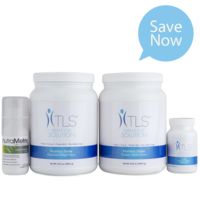
FAQ

Who should use the nutraMetrix® TLS® Find Your Fit Kit?
Anyone who is looking for a simple, all-in-one kit that addresses the fundamentals of effective weight loss and promoting optimal body composition. When paired with a program of regular exercise and a low-GI eating pattern — as outlined in the TLS Weight Loss Solution — this kit helps to promote lasting, sustainable results.

What is “low-GI”, and how does it relate to weight loss?
The glycemic index (or GI) measures how fast and how high blood sugar levels rise after consuming foods that contain carbohydrates. White bread, for example, is a high glycemic index food and is converted almost immediately to glucose, causing blood sugar levels to spike rapidly and potentially triggering the body to store some of the calories as fat.

Different types of carbohydrates are processed differently by the body and, consequently, have different effects on blood glucose levels. The glycemic index ranks carbohydrate-rich foods according to their effect on blood glucose levels. The best sources of carbohydrates – fruits, vegetables and whole grains – deliver essential vitamins and minerals, fiber and a host of important phytonutrients, all while having minimal impact on blood sugar.

In considering the TLS® Weight Loss Solution and the Find Your Fit Challenge, how important is calorie counting?
The TLS Weight Loss Solution is based on low-glycemic eating and portion control, not calorie counting. Therefore, each person, regardless of size, can follow the system to achieve optimal results. The TLS Weight Loss Solution is based around eating the right kinds of foods to help nourish the body. Counting calories is not a primary concern when following the TLS Weight Loss Solution.*

Are fat free and low fat foods the solution to being overweight?
Successful weight loss and weight maintenance depends on achieving the right mix of diet and physical activity. Combining dietary modifications to reduce calories and fat with a consistent physical activity plan is the most effective way to lose weight. Also, focusing on eating a wide variety of lower-GI foods is a superior way to appease the senses, as well as obtain a greater variety of nutrients in the diet. Consuming an assortment of foods makes eating healthy become easier and more gratifying. Fat-free and low-fat does not always mean low calorie, and these foods are usually not very satisfying.

Do I have to exercise to see results?
As with most weight loss supplements, this product was designed to be taken in conjunction with a healthy diet and exercise. This is the best and proven way to lose weight. Exercise and healthy eating are essential for optimal results

How does TLS® CORE Fat & Carb Inhibitor support weight management?
In the weight loss game, starchy carbohydrates can really pack on the pounds. Starchy carbohydrates can also trigger leptin resistance. Starchy carbohydrates lead to higher blood sugar levels, increasing insulin causing the body to store fat.

When you work towards your weight loss and healthy lifestyle goals, nutraMetrix® TLS® CORE Fat & Carb Inhibitor works as hard as you. nutraMetrix TLS CORE Fat & Carb Inhibitor contains the active ingredient, white kidney bean extract. White kidney bean extract inhibits the enzymes that normally breakdown starch into glucose within the small intestine. White kidney bean extract uses a calculated approach to affect the utilization of carbohydrates once they enter the body. As a result, the absorption of glucose from carbohydrate-rich foods, such as bread, potatoes, rice and pasta is inhibited. This gives you an advantage by minimizing the effects of surplus carbohydrates that are waiting to be converted into fat within the body.*

nutraMetrix TLS CORE Fat & Carb Inhibitor contains GreenSelect (Green Tea Extract Phytosome), a caffeine free extract from green tea leaves combined with phosphatidylcoline from soybean. Green tea is known for its ability to inhibit the breakdown and absorption of dietary fat. Research has also shown that green tea polyphenols promote a healthy metabolism. GreenSelect, in a recent study, was shown to promote weight loss and reduction in BMI. *

Why are nutraMetrix® Isotonix® supplements better than standard supplements?
Isotonix formulas are more effective than standard supplement formulas because they offer the best way to get the maximum delivery of vitamins and minerals into the bloodstream. Isotonix formulas are also the fastest and most effective way to receive vitamins, minerals and nutrients. The stomach has very little work to do because the pH and tonicity are carefully designed to allow the stomach to quickly release all the nutrients into the small intestine. With the Isotonix formulas, this process takes about five minutes, where a standard vitamin tablet can take up to four hours.

Why do I need to take a multivitamin?
A good quality vitamin and mineral supplement creates a sound micronutrient foundation to accompany a balanced diet. Vitamins and minerals help to support a healthy immune system, promote the conversion of food into energy, support a healthy cardiovascular system, support strong bones, promote mental clarity, maintain normal metabolic functioning, promote healthy growth and repair of tissues, help maintain normal blood pressure and help maintain water and electrolyte balance in the body.

* These statements have not been evaluated by the Food and Drug Administration.
This product(s) is not intended to diagnose, treat, cure or prevent any disease.
Reviews

There are no reviews yet.

Be the first to review “Isotonix® TLS® Find Your Fit Kit”

Your email address will not be published. Required fields are marked *

Review Us

No, thank you. I do not want.
100% secure your website.
Powered by