





Your First Visit
New Patient Tips Prior To Your First Visit
5 Phases of Care
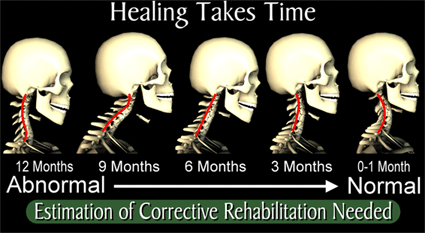
How Long Does It Take to Get Better?
Retracing?
Your First Visit
Patient Forms: W e will request that in advance you download (click here) and fill out the ‘Confidential New Patient Information’ form located in the “New Patient Center” to save you some time… and to bring it with you to your visit. This paperwork provides us with valuable general information about yourself and your condition(s).
You can prepare for your first visit at the office by bringing your ID and insurance forms-otherwise, feel free to come as you are! We also recommend bringing any relevant information that you have received from other providers or facilities X-rays, MRI, Blood test, etc., as well as a full list of medications.
Please arrive fifteen minutes early to your first appointment, so we can properly welcome you to our family.
For your first visit, we recommend setting aside 40-60 minutes for a full history, physical exam- includes vitals, orthopedic, and neurological tests. If necessary, at some location, we provide on-site x-rays. After your doctor has review all of the information a care plan is recommended.
A printed ‘Confidential New Patient Information’ form is also available at the front desk upon your arrival for your appointment.
Consultation: Next, you will have a private consultation with Doctor to discuss your health-related problems and concerns, lifestyle as well as potential treatment options. This could take up to 20-45 minutes.
Your first visit is designed to learn more about you, your condition(s), and your expectations; and to determine whether Chiropractic care at our facility will meet your goals. If not, Dr. Isidore will recommend a healthcare professional that is better suited to look after your presenting complaints.
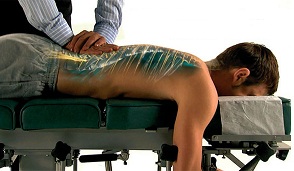
Examination: After your Chiropractic consultation and if your presenting complaints fall within the scope of Chiropractic care, Dr. Isidore will perform: 
X-Ray Studies: Your specific condition may require you to have digital HD (high definition) x-rays taken to get a full spinal/joint evaluation of you.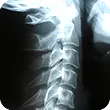
The analytical reading fee pertains to all x-rays viewed by a chiropractor, including those already prescribed by your physician and interpreted by a medical radiologist. For further details, please call our office.
Report of Findings (Results): Once all the information and examinations have been performed, Dr. Isidore will arrange for your ‘report of findings’ visit 
Can you help me? What do you recommend that I do to get better? How long is it going to take? and how much is it going to cost? If Dr. Isidore believes that Chiropractic care can help you, he will then discuss his provisional recommended treatment plan, wellness program, and “informed consent” with you. If you have a condition that requires care from other health providers, then Dr. Isidore will tell you and recommend a referral elsewhere. Keep in mind that he only accepts patients for care that he honestly feels will benefit from the chiropractic health services that are provided at his facility.
Treatment: Patients will be provided with their first treatment at the conclusion of their initial appointment… if they so desire. This only occurs following a discussion with respect to ‘informed consent’ to treatment, treatment options, and with patient permission.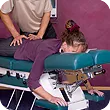
Wellness Program: Prior to leaving after the first visit, patients will be instructed on a wellness program to be conducted at home. If you are in pain when you first come into our office, this may include ice or heat application instructions, the use of analgesic gels, avoidance of certain activities or positions, as well as home exercises and/or stretches.
If you desire an overall wellness lifestyle, Dr. Isidore will collaborate with you to create good habits and routines that support your success. Everybody is unique and different, therefore requiring a unique and customized wellness plan. The foundation of our overall wellness lifestyle is maintaining healthy posture and good spinal/joint alignment, eating a healthy diet, behavioral lifestyle modification(s), drinking plenty of fresh water, taking nutritional supplements, keeping your weight under control and stress relief.
New Patient Tips Prior To Your First Visit
New Patient Tips Prior To Your First Visit
New Patient Tips Prior To Your First Visit
Here are some suggestions for new patients to enhance their experience at Dynamic Spine Center and make it more effective, efficient, and comfortable.
Please note that these tips are optional and meant to optimize your healthcare journey based on feedback from past patients:
- Complete Paperwork in Advance:A portion of the paperwork required for ‘new’ chiropractic patients to see Dr. Isidore can be accessed online if you Click here. You can print the ‘Confidential New Patient Information’ form and fill it out at home or work at your convenience. Doing this before your initial appointment can expedite the check-in process at the clinic.
- Dress Appropriately for Your Visit: Many new patients prefer wearing their own clothing instead of a clinic gown during a physical examination. Dr. Isidore often examines the back as part of the initial physical exam for new patients. For female patients… wearing a sports bra or a workout-type top can provide comfort and eliminate the need for a medical gown. Likewise, if your concern involves areas below the waist, such as hips, knees, or ankles, wearing or bringing shorts can be beneficial to avoid using a clinic gown. Rest assured, if you forget, Dr. Isidore has clinic gowns and shorts available for your use.
- X-rays. If you have any relevant X-rays CT and or MRI performed at any office or hospital, please bring them to your appointment. Images can be compared with your new Scans/exam.
- Bring Blood works also, as this can help with proper diagnosis of your condition and if you fit for nutritional care.
APPOINTMENTS:
If you would like to make an appointment, please contact our office by phone or email. Our office facilitates communications and emergency calls and appointments are available and welcome, especially for new patients seeking help.
CANCELLATION:
If you are unable to keep an appointment, we ask that you kindly provide us with at least 24 hours notice. We ask for this advance notice so that we can offer this appointment to another patient. A fee may be charged if a patient does not show up for an appointment without sufficient notice.
FINANCIAL:
We will be more than happy to submit all insurance forms for you and help you recover the most from your benefits. We will do everything we can to help you afford the treatment you need and want. Forms of payment accepted by the office are check, cash, or any major credit card.
5 Phases of Care
Five Phases of Chiropractic Care
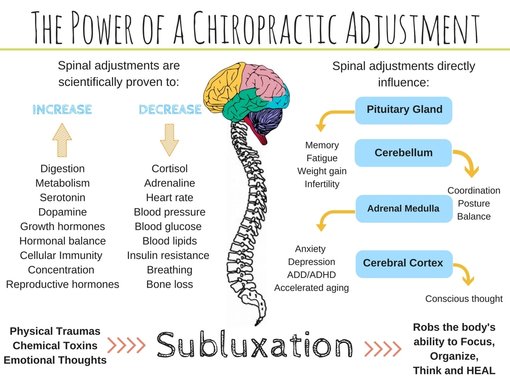
Generally speaking most people assume Chiropractic Care is for people in joint pain. While this is true for SOME of the time it is not always the case. Chiropractic care does provide pain relieve to many of our patient, but it is not the only thing it does. What makes Chiropractic Care unique is the fact that it address specific misalignment or subluxation in your spine that reduce the body’s natural ability to heal. Restoring this healing potential relieve pain, reduce s inflammation, improve range of motion and muscle tone , improve mental clarity, improve organ function and so much more!
You see, chiropractic care is like a journey that has 5 different phases. For most people, it starts with getting the ‘temporary’ pain relief and then when the pain is eliminated it proceeds to spinal correction. Usually, once a patient gets past correction it’s already big progress, but the real ultimate goal here is to reach phase 5 or getting wellness care. This phase means achieving optimal health in all areas of your life, where it goes beyond physical health.
Take a look below and learn more about the 5 phases of chiropractic. Which phase do you think you are in now and what phase do you think is right for you?
1. Relief or Acute Care (I want to feel better for the least amount of money)
Goals
- Reduce Pain
- Reduce Nerve Irritation
- Reduce Tissue Inflammation
- Increase Flexibility
We know it— the pain in your neck, shoulder, and back are what drove you to consult us in the first place! Well, we are not that surprised anymore, as this the most common scenario that we usually get from our first-time patients.
In this phase, we will do our best to identify the root causes of your symptoms, pain, soreness, inflammation, etc.
Pain is your body’s way of telling you “Hey, there is a problem here than I can’t fix alone.” I like to say pain is often the last thing t show up and the first thing to leave. What this means is that the pain is typically the result of an injury that has been happening for a while. If there is a fire in the house the alarm would not go off immediately. It takes a little while for the smoke to build up enough before the alarm detects it. When this type of patient presents to the office they are often limited in their activity, limited in there range of motion and are experiencing pain daily. This could be caused by many things – an impinged nerve, a previous injury, or maybe a prolong postural problem.
During this phase our goal is to determine the pain generator (nerve, muscle, bone or joint) and reduce inflammation as effectively as possible. Sometimes this requires X-rays, Electrical Muscle Stimulation, Ice and Chiropractic Adjustments. Relief can happen in a matter of days or weeks depending on the diagnosis and how long the pain has been present.
Though you’ll be feeling better at this point, long-term changes to muscles and tendons are normally not achieved at this point. In order to prevent a relapse we need to retrain supporting muscles, improve biomechanics, and stabilize your spine.
2. Correction Care (I want to stabilize and retrain the muscles and ligaments of my spine)
Goals
- Reposition Joint to Restore Structure
- Heal Nerve Root
- Increase Range of Motion
- Restore Joint Function
- Restore Function to Muscles
This phase is the first progression out of pain relief. Once the pain levels have decreased and the inflammation has gone down the real correction can begin. Oftentimes it is in this phase that we start to do more in the office. Whether it be massage, acupuncture, stretching, traction, or exercises this is where the most change occurs. When we start to rehab, stabilize, and retrain the muscles and ligaments in your spine we can begin to correct persistent misalignments, muscle spasms, and imbalances that caused your injury in the first place. During corrective care our goals are to create balance which takes consistency and commitment but have major benefits.
The objective of corrective care is to improve flexibility and strength and to improve neuromusculoskeletal function. Depending on the progress you have made in phase one, the frequency of your visits is reduced. At this stage care may be supplemented by rehabilitation exercises and a modification in your daily habits.
Some people choose to stop their appointments after they get temporary relief, but we don’t recommend that as pain and other symptoms can show back up quickly if the body hasn’t healed yet and the spine is not yet fully corrected. For the body to fully heal, one must realize that there is a need for correcting misalignments in the spine and any imbalances that caused your injury in the first place. This oftentimes takes time, especially when retraining your spinal muscles, ligaments, and overall posture.
For example, patients who have disc issues need spinal decompression and manual adjustments a few times a week to start seeing results as soon as possible. Herniated discs (which are even worse), require immediate attention and correction which can last up to 4-6 weeks to reinforce the healing process.
So if your correction requires multiple visits every week along with different types of techniques, the best way to reap the benefits is to be committed and consistent in following this plan.
3. Supportive Care (I want to avoid losing my health any further)
Goals
- Rehabilitate Muscles
- Enhance Strength
- Strengthen Joints
- Reeducate Neuromuscular Function
- Increase Muscular Endurance
Supportive chiropractic care indicates that chiropractic care is being used to support a specific medical condition. For example, if someone has been diagnosed with a medical condition (i.e.: Fibromyalgia, arthritis, herniated disc, etc.) or perhaps has had spinal surgery in the past and they decide to use chiropractic care to support allopathic or traditional medical treatment for this specific condition. In this phase our goals are to improve their quality of life and keep inflammation as low as possible.
Additionally, when chiropractic care is used in this way, we keep other systems working optimally such as stress management, posture, sleep, digestion, etc. Supportive chiropractic care is commonly used as pain management along with other medical treatments. In this way, not only do they preserve their progress through chiropractic care but it also helps them improve their health over the long term. This phase also goes hand in hand with the next phase which is Maintenance Care.
4. Maintenance Care (I want to preserve the progress I have made)
Goals
- Rehabilitate Muscles
- Enhance Strength
- Strengthen Joints
- Reeducate Neuromuscular Function
- Increase Muscular Endurance
This phase of care usually suggests that the patient has experience relief form initial complaint and want to maintain the progress they have made. This phase indicates that a patient can return to normal activities but may experience flare-ups and inflammation from time to time due to exposure to everyday stressors. During this time, we will keep a close eye on those problematic areas and address them as early as possible. By doing this, it can help the patient avoid old health issues from returning and prevent future health problems from occurring.
Also, the frequency of adjustments can be reduced but once again that depends on the patient’s needs, lifestyle, level of activity, and overall health goals.
5. Wellness and Nutrition Care (I want to be all that I can be)
Goals
- Maintain Structural Integrity
- Reduce Muscular Stress
- Maintain Nutritional Balance
- Achieve Physical & Emotional Well-Being
This would be the ultimate goal when you think about optimal health and chiropractic.
At this point, the patient already has mastered good posture and has maintained a good spinal alignment. Even if they are not in pain or experiencing any symptoms, they still come in for a regular ‘tune-up’. The purpose of this is to just keep their spine and nervous systems healthy so that they can perform at their maximum potential and maintain their body’s self-healing ability.
This wellness phase is designed not only to maintain normal spinal function and prevent the original condition from returning but improve health through Clinical Nutrition. Wellness care is the ultimate goal when you think about true Health and Chiropractic. It means that you are able to do the things you love, have zero to minimal limitations of activity , rarely get sick , average or above average range of motion are sleeping well, maintaining high energy levels and just thriving overall!! At this stage you are being proactive when it comes to your health! This is the “I want to be the as healthy as I possibly can be” and we love it
A personal Wellness and Nutrition program designed specifically for you will teach you how to incorporate nutrition, exercise habits and good posture into your everyday life, so that you can enjoy life to its fullest. This holistic approach helps people avoid disease and maintain optimal physical function for a longer period of time than traditional approaches. Here are six ways Wellness Care can benefit your health:
Improves Digestion – proper nutrition to avoid poor health outcomes, whether the cause is a disease, food allergies, or eating processed foods.
Immunity Support- support and boost your immune system by improving gut health, increase the levels of beneficial bacteria in the digestive tract and removal of toxins from the body. This provides a long-term boost to your immune system.
Detoxify your body- Detoxification to rid the body of impurities and toxins especially in colon and liver
Weight Control & Metabolism- Nutritional supplements can help with weight loss while also promoting good health in other ways. Antioxidants and vitamins aid in disease prevention and immune function, as well as boosting energy levels so you can get moving every day!
Decreases Arthritis Pain- Inflammation is frequently associated with severe chronic joint pain. Anti-inflammation diet, a nutrient-dense, low-calorie diet of fruits, vegetables, lean meat and fish can help reduce inflammation. A suggest of vitamin D, magnesium, Zinc and fish oil supplements etc. to help promote joint health.
Increase Energy Levels- recommending high-nutritional foods and vitamins that will provide them with more energy throughout the day.
What phase are you in?? What phase do you want to be in? Whatever phase it is we are here to help to meet your health goals call us at (758) 518-5000 or email us at Drisidore@hotmail.com Click here to make an appointment.
How Long Does It Take to Get Better?
How Long Does It Take to Get Better?
How Long Does It Take to Get Better?
How long does it take to see improvement under chiropractic care management? Mastering patience is often a challenging life lesson. Being patient with our children, partners, well-being, vehicles, fellow drivers, or practically anything can present difficulties. Even as a chiropractor, there are times when I need to assess my patients’ patience!
Exercising patience, especially when it comes to regaining our health or waiting to recover after an injury or illness, can be particularly demanding. A fundamental principle is that no process unfolds without the passage of time. Due to our impatience and unwillingness to allow sufficient time for a process to progress, we often expect or even demand quick solutions, like over-the-counter pain relief.
In clinical practice, it’s observed that the most prevalent issue, which naturally requires time for correction, often arises not from a severe injury but from a neglected spine that has finally reached a point of severe nerve compression, resulting in painful symptoms.
In simpler terms, most problems are gradual and progressive. They start silently and escalate. Over the years, accumulated stresses on the spine, both minor and major, take their toll. Many individuals we encounter have faced injuries from sports, work, slips/trips, falls, or car accidents. These cases are understandable. Equally common, however, is the person who arrives at the clinic in significant pain, unable to pinpoint the cause of their condition.
As a chiropractor, we frequently hear dramatic accounts like, “all I did was bend over to pick up my shoe, and I couldn’t straighten up,” or “I just reached out to open the fridge, and my neck became stiff, and now I can’t turn my head.” These are classic examples of the proverbial “straw that broke the camel’s back,” and such occurrences are all too familiar.
In life, anything of value and quality necessitates regular maintenance.
The spine is no exception. Without proper maintenance, vulnerable areas of your spine and supporting muscles weaken, gradually losing their ability to stabilize your spine. That’s why something as seemingly harmless as stooping down to pet a dog can be the “straw” that severely affects you.
What can be startling for those accustomed to quick fixes is that achieving the desired results of reduced pain, swelling, inflammation, improved spinal/joint alignment, and overall health and well-being will require not just time but also commitment to specific recommendations and patience. It’s akin to joining a fitness club and expecting to resemble the trainer or a bodybuilder by year-end with only monthly visits—unrealistic!
After a comprehensive chiropractic consultation and examination, which may involve X-rays, if necessary, we chiropractors often convey to our patients that their condition doesn’t have to remain static or worsen. However, they must adhere to specific recommendations and exercise patience to attain their desired outcomes. This includes eventual pain reduction, reduced swelling and inflammation, improved spinal/joint alignment, and overall health.
We clarify that if the problem took several years or even decades to silently accumulate before the crisis that brought them to the clinic, it’s reasonable to anticipate a substantial duration to begin resolving it. Fortunately, recent years have seen promising research in spinal rehabilitation that we apply in our practice.
While chiropractic care can often swiftly alleviate pain, like any process, it takes time to genuinely strengthen and stabilize a region of the spine. Moreover, it necessitates ongoing maintenance. One of my older patients once shared that she didn’t mind if it took five years to restore her good, healthy functioning because that sounded much better than being five years deeper in trouble by doing nothing! Well, those weren’t her exact words, but you get the gist!
So, I encourage you to invest time in making this season truly special for your spine and health. Most importantly, practice patience. It’s the accumulation of little efforts that makes a significant impact. I recently completed Andy Stanley’s insightful book, “The Best Question Ever.” It’s exceptional. I won’t spoil the question for you, but one thing he emphasizes is that “there is a cumulative value to investing small amounts of time in certain activities over a long period.”
A single workout or a solitary chiropractic adjustment might not yield dramatic results, but with persistence, patience, and time, you could wind back the clock a few years and feel better than you ever imagined.
Retracing?
What is Pain Retracing?
In chiropractic practice, patients may sometimes undergo a phenomenon known as ‘retracing’ or a healing response. Could you explain what retracing involves and how it is related to the healing process? It’s often described as a re-emergence of previous pain, symptoms, or even memories and emotions during the course of treatment. Some practitioners also label this as the “healing reaction response.” Providing specific examples could help in understanding this concept better….
An individual expresses satisfaction with their chiropractic treatment but suddenly sees a return of the original symptoms. These symptoms resolve quickly. Another person undergoes a spinal adjustment and, during relaxation after-ward, experiences a profound sense of lightness and joy, resulting in laughter. Conversely, the person may start to cry, illustrating retracing once again.
A patient starts to recover their health after a series of chiropractic spinal adjustments but, on a particular day, feels pain. This could manifest in any body part; in a specific case, it was the wrist:
“Have you had any prior issues with your wrist?” inquired the doctor. “Yes, I broke it a few years ago at the very spot where I now feel pain.” “You’re likely retracing,” noted the doctor. “The area never fully healed and is now completing the healing process. The symptoms won’t last long.” Another instance of retracing occurs when a spinal adjustment triggers a flood of childhood memories.
Why Does Retracing Occur?
It seems that the body’s tissues retain a “memory” of the traumas, accidents, and injuries they’ve endured. As injuries are often accompanied by feelings of panic, shock, anger, or hysteria, the patient undergoing retracing may sense these emotions “resurfacing” as the physical injury starts to heal.
Retracing isn’t always dramatic. At times, it manifests as a simple urge to take deep, satisfying breaths while receiving care. During these moments, there might be a release of psycho-physical energy, although it might not be accompanied by any conscious memories. Yet, retracing could be occurring in such cases.
Retracing is Real
Retracing is undeniably real. It shouldn’t be dismissed as imaginary, unreal, or a placebo effect. Retracing experiences are genuinely intense, both physically and emotionally. In such situations, recognizing the experience as part of the healing process can be challenging. Patients undergoing an especially intense retracing pattern may feel as though they’ve suffered a severe setback or may even fear worsening.
Although retracing experiences usually last a brief duration and often pass relatively quickly, patients have been known to discontinue their care due to them. During this period, it is crucial for the patient to communicate what’s happening to the chiropractor. Patients who terminate their care due to retracing symptoms may deprive themselves of a full recovery.
Other Healing Arts
The chiropractic profession and other healing arts have long acknowledged the phenomenon of retracing, often using different terminology. For instance, Craniosacral Therapy (CST), developed by John Upledger, D.O., utilizes the terms “unwinding” and “somato-emotional release” to describe this phenomenon. Upledger’s understanding is based on research into body energies and the role of connective tissue in body structure:
Based on our experience, it seems that body tissues, especially connective tissues, possess a memory. When an injurious force occurs, the impacted tissue undergoes a change. It potentially retains the energy from the impact. An elevated level of kinetic activity or higher entropy is established in the affected area. The human body either disperses this energy and returns to normal, or it somehow isolates the impact energy and confines it, much like it confines the tubercle bacillus during the dormant phase of the disease. Once the energy from the injury is effectively contained, the body adapts to this area. Energy (electrical, magnetic, prana, Qi, or your preferred terminology) is then directed to move around this area rather than through it…. Often, upon discovery of the original injury, the repressed emotional components of the somatic injury are concurrently released.
Various forms of bodywork such as Rolfing, shiatsu, and massage therapy also recognize this healing phenomenon. Practitioners have observed patients undergoing “flashbacks” as they release long-held energy in their bodies.
Homeopathy
Homeopathy has organized the observations of Constatine Hering, a homeopathic researcher, as Hering’s Law, which regards retracing as part of a three-part healing process.
According to this law, healing unfolds: 1) from the interior to the exterior; 2) from the most vital to the least vital organs; and 3) in the reverse order from when the symptoms initially appeared.
Psychotherapy
A parallel to the retracing phenomenon is recognized in psychotherapy and labeled progressive abreactive regression or PAR.
This PAR phase is seen as a step toward healing and wholeness. As individuals “advance into new behaviors and accomplishments… [they] introspectively grapple with fears and dysfunctional patterns that need resolution.” PAR naturally occurs in human development as part of growth at all levels. An illustration of PAR is when an individual, after a long-awaited promotion, begins to struggle with feelings of inadequacy.
Retracing and Medicine?
Retracing seems to be common in bodywork and therapies that focus on balancing the body’s energies and reducing stress.
However, it seems less prevalent in standard medical practice, potentially due to medications’ tendency to suppress disease and mask symptoms. As seen, this can be perilous.
An intriguing example from Oriental medicine demonstrates this: Oriental medical theory associates the skin with the bronchi and lungs because both aid in breathing. If a skin condition is suppressed, according to the theory, it may move deeper and affect the lungs and bronchi. In reality, many children who suffered from asthma were treated with cortisone for skin conditions like eczema during infancy. The cortisone suppressed the skin condition, driving it into the lungs and bronchi, manifesting as asthma.
A Need for Further Investigation
Numerous questions about retracing remain unanswered. More research is imperative to comprehend this healing phenomenon better.
Call Dr. Isidore at Dynamic Spine Center at (758) 518-5000 or click here to send him an email to learn more about pain retracing!
How we are different
Battle for Healthcare
Essentials of Health
Wellness Approach
Wellness Perspectives
Wellness Essentials
Chiropractic, Orthopedic & Neurological Tests Expl
How we are different
How We Are Different From Other Chiropractors
Most people don’t know there are two types of chiropractors. Many chiropractors merely work on back pain symptoms alone, through the Adjustment and electrotherapy. When symptoms improve, the patient assumes their spinal alignment is fixed. In most cases the spinal joints have merely been decompressed and pain is temporarily relieved. In our clinic, we actually correct the spinal alignment back to its normal model and show you the results with pre and post x-rays. The spine must be in its normal alignment to maximize nerve integrity and insure proper stability and function. Similar to a car wheel, if the spine is left out of alignment, it will progressively wear and tear even if there are no symptoms at the time. Over time however, the discs, joints and nerves will wear out just like a car tire, axle and bearing. Eventually there may be symptoms and permanent damage. When we correct spinal alignment, we utilize a three dimensional postural analysis to identify the relationships between the head, torso, hips, legs and feet. Full spinal x-rays are taken and angle and arc measurements are compared to the normal model. The secret to correcting the spinal alignment involves changing nerve muscle memory by influencing slow and fast nerve receptors to tell muscles to pull differently, thus aligning the spine. Posture specific adjustment, exercises and simple office and home rehab are done with predicable results. A simple maintenance program is recommended to each patient so they can maintain the normal spinal alignment throughout their lifetime. Maintaining a correction is smarter and more cost effective than “managing a problem” which can inevitably become permanent. However long you choose to benefit from chiropractic is always up to you! |
Battle for Healthcare
Battle for Healthcare
The Controversy From the beginning, Chiropractic has been the target of misrepresentation and illegal discrimination.
The Palmers of Davenport, Iowa discovered and developed many of the principles of Chiropractic. Both D.D. Palmer and son B.J. Palmer were flamboyant and charismatic. Their personalities and dogmatism produced vehement detractors.Medical MonopolyTo hamstring the fledgling chiropractic profession, the American Medical Association prevented medical doctors from working with or referring to chiropractors. This illegal tactic ended in 1990 when the A.M.A. was found guilty in U.S. Federal Court (Wilks vs AMA). Nevertheless, the damage was done. Increasing AcceptanceToday, the profession of chiropractic is recognized and licensed worldwide. Currently, there are 22 chiropractic colleges around the world graduating educated, compassionate and talented healers. Insurance companies and many government programs reimburse for chiropractic care. Chiropractic has come a long way since 1895. The Difference That Makes the DifferenceThe very right to practice chiropractic, written into the laws that license chiropractors around the world, specify that chiropractic is a separate and distinct, nonduplicative healing art, different from medicine. Both medical doctors and chiropractors contribute to the health and welfare of our nation by offering two very different approaches to the restoration and maintenance of better health. Medical Treatment – Medicine is the study and practice of the cause, diagnosis, prognosis, treatment and relief of the symptoms of disease or illness. Primary interventions include the use of drugs, physical therapy and surgery. Chiropractic Care – Chiropractic is the art, science and philosophy of restoring the inborn ability to self-heal by detecting and reducing compromises to the nervous system, usually along the spine. The primary intervention is the spinal adjustment. | The Battle Each model sees you and your health challenge differently. Which approach makes sense to you?
The Mechanist The established health care model sees the body as a machine. With parts that wear out or need attention. It has spawned a variety of disciplines that look at your “parts.” Examples include:
Intervention often involves drugs to change the function of the body by artificially changing blood chemistry. See video: The Vitalists
Care is designed to help restore your body’s balance and integrity. Aches or pains are merely signs of some other underlying problem. Best of BothIn our practice we observe the mechanics of the spine but see the whole-body effects of a compromised nervous system. Find out how our patient-centered approach to health care can help you naturally, without drugs or surgery. |


Essentials of Health
Essentials of Health
NECESSITIES FOR HEALTH AND LIFE
What necessities are essential for survival? Shelter, heat, and clothing are likely to be among the top 10. And while these are convenient and will make any situation more comfortable, these are not essential.
THERE ARE FOUR ESSENTIALS OF HEALTH AND OF LIFE!! (Try living without one of them)
Health is something that we are given at birth and it should be maintained throughout our lifetime. Unfortunately, we are never taught what we need for health and what specifically needs to be maintained.
We are all born with a genetic health potential. If we understand what can interfere with that potential we can avoid such interferences and keep it at its highest level. When we buy a brand new car, we get a manual to maintain it. This tells us how to make the car last the longest possible time and run at its optimum potential with minimal problems. Yet when children are born, there is no manual in the “glove compartment” to know “when to change the oil”, rotate the tires and get a tune up. In other words, we are not taught what to maintain and how to maintain it. To understand our highest optimal health potential we first have to know what the essentials of health are.
To understand the essentials of health we need to understand the essentials for life. The basic physiological essentials for survival are as follows:
- Water
Water is more than just a thirst-quencher. Almost every system in the body is dependent on water in some shape or form. The human body is approximately 60% water. Water regulates body temperature and helps the liver and kidneys flush out toxins. Water lubricates joints and moisturizes the eyes, nose, and mouth. Even oxygen and nutrients are carried to cells by water. Without water the body cannot function. Breathing, sweating, and even going to the bathroom are all ways a person loses water. To maintain a healthy body, people need to replenish water levels and continue drinking water throughout the day. Direct water consumption is best. Beverages such as electrolyte drinks and fruit such as watermelon can help refill the body’s water supply. Standard recommendation is that women drink a minimum of 11.5 cups of water daily and men 15.5 cups.
AMOUNT OF WATER TO DRINK BASED ON WEIGHT
Most people need to drink roughly 1/2 to 2/3 of their weight (in pounds) in ounces. For example, a 200-pound adult needs approximately 100 – 133 ounces of water each day.
Of course, your water needs will increase with activity. You should add 12 ounces of water to your daily total for every 30 minutes that you engage in physical activity
We always knew to drink a lot of water, but who knew the timing affected things. Drinking water at the correct time maximizes its effectiveness on the Human body:
2 glasses of water after waking up helps activate internal organs
1 glass of water 30 minutes before a meal – helps digestion
1 glass of water before taking a bath – helps lower blood pressure
1 glass of water before going to bed – avoids stroke or heart attack
- Food
Food provides essential nutrients to the body. These nutrients are in turn used for energy, cell growth, and repair. Food keeps the immune system happy and, as a result, poor diets often lead to numerous health problems. Food can be broken down into four essential groups: fats, carbohydrates, protein, and vitamins. Fats provide energy and help absorb vitamins. Fats can control cholesterol levels and are essential for growth and development. Carbohydrates are converted to fuel. Fiber is a type of carb that assists in digestion, regulates blood sugar levels, and keeps hunger levels in check. Protein helps the body repair damaged organs, tissues, and bones. Protein is found in every cell in the human body. The digestive tract breaks down proteins into amino acids. There are 20 amino acids the body needs to function properly. And while the body can produce 12, there are still 8 that must be consumed through food. Vitamins play a role in every bodily function. The human body needs 13 types of vitamins to function properly.
- Oxygen
Oxygen is breath. Everything else spared, without oxygen, life is not possible. Oxygen is inhaled into the lungs and then dispersed throughout the body by red blood cells. Oxygen gives energy to cells by burning through the sugar and fatty acids that are consumed. The same red blood cells that carry oxygen through the body also carry carbon dioxide out of the body. Exhaling also removes carbon dioxide from the body.
- The nervous system
The nervous system is the body’s command center. The nervous system collects data, processes the data, and responds accordingly. The system controls movement by transmitting nerve impulses between the brain and the rest of the body. The messages travel through neurons, synapses, and neurotransmitters. These messages tell the heart to beat, lungs to breathe, and limbs to move. The nervous system even tells the brain how to think. The nervous system has two parts: the central and peripheral. The central nervous system is made up of the brain and spinal cord. The peripheral nervous system makes up the rest of the body.
Recap of the essentials
Everything else aside, there are 4 things the human body must have to survive: water, food, oxygen, and a functioning nervous system. Humans can last a little while without food or water, but life would immediately be over without oxygen or a working nervous system. For more tips on living a healthy lifestyle, speak with a healthcare provider.
Wellness Approach
Wellness Approach
The Wellness Approach
The wellness approach is to look for underlying causes of any disturbance or disruption and make whatever interventions and lifestyle adjustments that would optimize the conditions for normal function
The main difference between wellness care and standard medical care is that wellness care seeks to turn on the natural healing ability. Wellness care does not add something to the system, instead it removes anything that might interfere with normal function. Wellness care trusts that the body would know what to do if nothing were interfering with it. Standard medical care, on the other hand, seeks to treat a symptom by adding something from the outside – a medication, a surgery or procedure.
Inside Out vs. Outside In
If a patient has high blood pressure, a standard medical approach would be to choose a drug that lowers blood pressure, and ask the patient to take the drug. This may serve to lower the blood pressure, but ignores the underlying cause that is making the blood pressure high, and runs the risk of side effects complicating the person’s recovery. Whether it’s a nutritional issue, faulty control by the nerve system or a manifestation of stress, the medication could decrease the blood pressure, leaving the problem causing the symptom of high blood pressure unaddressed.
Wellness
Wellness is a state of optimal conditions for normal function… and then some. The wellness approach is to look for underlying causes of any disturbance or disruption (which may or may not be causing symptoms at the time) and make whatever interventions and lifestyle adjustments would optimize the conditions for normal function. That environment encourages natural healing, and minimizes the need for invasive treatment, which should be administered only when absolutely necessary. When the body is working properly, it tends to heal effectively, no matter what the condition. When the body heals well and maintains itself well, then there is another level of health that goes beyond “asymptomatic” or “pain-free” which reveals an open-ended opportunity for vitality, vibrant health, and an enhanced experience of life.This is true for mental and emotional health as well as physical health. While some people may suffer psychological disorders, creating an atmosphere of mental and emotional wellness will address all but the most serious problems.
Related Topics
Wellness Perspectives
Wellness Perspectives
Wellness Essentials
Wellness Essentials
Healthy Thinking
Chiropractic, Orthopedic & Neurological Tests Expl
Tab Content
Chiropractors claim
Subluxation? What is that?
Chiropractic? Let’s check the science
Chiropractic Education Get the facts
A to Z of conditions – Chiropractic Research
All truth
Chiropractors claim
“Beware of defining as intelligent only those who share your opinions” Ugo Ojetti
More often than not, when we tell someone that we are a chiropractic office, they immediately associate our vocation with neck and/or back pain. What many do not realize, however, is that chiropractic is a health care modality that provides significantly more than just a solution for pain.
Chiropractic is a lifestyle that involves all aspects of wellness, including exercise, nutrition, personal development, and stress relief. We have been fortunate to work with people from all walks of life (including newborns, children, and adolescents) and the outcome has been miraculous.
Subluxation? What is that?

Chiropractic? Let’s check the science
“All truth passes through three stages. First, it is ridiculed. Second, it is violently opposed. Third, it is accepted as being self-evident.” Arthur Schopenhauer, 1800’s philosopher
If you define it as the systematic pursuit of knowledge involving the recognition of a problem, the collection of data through observation and experiment and then testing the resulting hypotheses, then today’s chiropractic is quite scientific. Because it’s based on the scientific fact that the nervous system controls and regulates virtually every cell, tissue, organ and system of the body.
Don’t be misled by the “low-tech” nature of chiropractic adjustments! Countless studies support the chiropractic approach to reducing nerve disturbance along the spine, enhancing the ability of the brain and nerve system to control and regulate the body. These include published research documenting the results of chiropractic care on asthma, infantile colic, immune function, dysmenorrhea (menstrual cramps), improving vision and brain function, lower back pain, one’s overall health status and many others.
The “scientific” argument is largely a red herring and the sign of a double standard. Medical economist David Eddy, MD, Ph.D., observes that only 15% of medical procedures have ever been scientifically verified, and the other 85% of common medical procedures have no “scientific basis!”
<
Ultimately, the proof is in the pudding. Ask our delighted patients whether chiropractic is scientific.
References:
Gray’s Anatomy, Henry Gray F.R.S.
Smith, R. Where is the wisdom? BMJ 1991; 303(Oct 5): 798-799.
Paul Shekelle, MD, MPH, Head of a back study of RAND Corporation, Santa Monica, CA, 1992, Medicine, Monopolies and Malice, pp. 49, 199, 208.
John Carey, Medical Guesswork. Business Week, May 29, 2006, 73-79.
Gray’s Anatomy, Henry Gray F.R.S.
Smith, R. Where is the wisdom? BMJ 1991; 303(Oct 5): 798-799.
Paul Shekelle, MD, MPH, Head of a back study of RAND Corporation, Santa Monica, CA, 1992, Medicine, Monopolies and Malice, pp. 49, 199, 208.
John Carey, Medical Guesswork. Business Week, May 29, 2006, 73-79.
As early as 1921, the medical profession validated chiropractic
The Winsor Autopsies
Henry Winsor, a medical doctor in Haverford, Pennsylvania, asked the question:
“Chiropractors claim that by adjusting one vertebra, they can relieve stomach troubles and ulcers; by adjusting another, menstrual cramps; and by adjusting others conditions such as kidney diseases, constipation, heart disease, thyroid conditions, and lung disease may resolve–but how?”
Dr. Winsor decided to investigate this new science and art of healing–chiropractic.
Dissections
After graduating from medical school, Dr. Winsor was inspired by chiropractic and osteopathic literature to experiment. He planned to dissect human and animal cadavers to see if there was a relationship between any diseased internal organ discovered on autopsy and the vertebrae associated with the nerves that went to the organ. As he wrote:
“The object of these necropsies (dissections) was to determine whether any connection existed between minor curvatures of the spine, on the one hand, and diseased organs on the other; or whether the two were entirely independent of each other.”
University Permission
The University of Pennsylvania gave Dr. Winsor permission to carry out his experiments. In a series of three studies he dissected a total of 75 human and 22 cat cadavers. The following are Dr. Winsor’s results:
“Two hundred twenty-one structures other than the spine were found diseased. Of these, 212 were observed to belong to the same sympathetic (nerve) segments as the vertebrae in curvature. Nine diseased organs belonged to different sympathetic segments from the vertebrae out of line.
These figures cannot be expected to exactly coincide … for an organ may receive sympathetic filaments from several spinal segments and several organs may be supplied with sympathetic (nerve) filaments from the same spinal segments. In other words, there was nearly a 100 percent correlation between minor curvatures of the spine and diseases of the internal organs.”
Diseases examined:
- Stomach Diseases
All nine cases of spinal misalignment in the mid-thoracic area (T5-T9) had stomach disease. - Lung Disease
All 26 cases of lung disease had spinal misalignments in the upper thoracic spine. - Liver Disease
All 13 cases of liver disease had misalignments in the mid thoracic (T5-T9) - Gallstones
All five cases with gallstone disease had spinal misalignments in the mid thoracic. - Pancreas
All three cases with pancreas disease had spinal misalignments in the mid thoracics. - Spleen
All 11 cases with spleen diseases had spinal misalignments in the mid thoracics. - Kidney
All 17 cases with kidney disease were out of alignment in the lower thoracics. - Prostate and Bladder Disease
All eight cases with kidney, prostate and bladder disease had the lumbar (L2-L3) vertebrae misaligned - Uterus
The two cases with the uterine conditions had the second lumbar misaligned. - Heart Disease
All 20 cases with heart and pericardium conditions had the upper five thoracic vertebrae (T1-T5) misaligned.
Dr. Winsor’s results are published in The Medical Times, November 1921, and are found in any medical library
• Reference:
All quotes from: Winsor, H. Sympathetic segmental disturbances – II. The evidences of the association, in dissected cadavers, of visceral disease with vertebral deformities of the same sympathetic segments, The Medical Times , November 1921, pp./ 267-271.
All quotes from: Winsor, H. Sympathetic segmental disturbances – II. The evidences of the association, in dissected cadavers, of visceral disease with vertebral deformities of the same sympathetic segments, The Medical Times , November 1921, pp./ 267-271.
Further References
Journal of Vertebral Subluxation Research
http://www.jvsr.com
http://www.jvsr.com
Conference Proceedings on The Research Status of Spinal Manipulative Therapy. National Institutes of Health.
Rydevik, B.L.: The Effects of Compression on the Physiology of Nerve Roots. JMPT Vol. 15 No. 1 January 1992.
Neurodynamics of the Vertebral Subluxation by E.A. Homewood
The Chiropractic Theories by Robert Leach. Published by Williams and Wilkins.
Foundations of Chiropractic: Subluxation by Meridel Gatterman. Published by Mosby.
Atlas of Common Subluxations of the Human Spine and Pelvis by William Ruch. http://www.postura.com
Published by CRC Press. Boca Raton Florida.
http://www.crcpress.com/
Harrison D.E., Calliet R., Harrison, D.D., Troyanovich, S.J., Harrison, S.O., Review of the Biomechanics of the Central Nervous System. Parts I, II, and III. JMPT Vol 22. No’s. 4, 5 and 6.
Clincial Practice Guideline Number One: Vertebral Subluxation in Chiropractic Practice. The Council on Chiropractic Practice. Chandler, Arizona.
https://worldchiropracticalliance.org/
William R. Boone, W.R., Dobson, G. A Proposed Vertebral Subluxation Model Reflecting Traditional Concepts and Recent Advances in Health and Science: Parts I, II and III. Journal of Vertebral Subluxation Research Vol. 1 No’s. 1, 2 and 3.
http://www.jvsr.com/abstracts/1197-0059_proposedert.htm
http://www.jvsr.com/abstracts/1297-0053_proposedert.htm
http://www.jvsr.com/abstracts/1397-0048_propose.htm
Kent, C.: Models of Vertebral Subluxation. Journal of Vertebral Subluxation Research. Vol. 1 No. 1. August 1996.
http://www.jvsr.com/abstracts/1197-0061_models.htm
Chiropractic Education Get the facts
Chiropractic Education
In some recent surveys it was surprising to note that some people were unaware of the educational level of a Doctor of Chiropractic. The basic question was, “Is the education of a Doctor of Chiropractic at the same level as a Medical Doctor?” The correct answer is, of course, yes. Doctors of Chiropractic undergo a rigorous and demanding professional education equivalent to any other primary care provider. To obtain a Doctor of Chiropractic degree, they must complete several years of prerequisite undergraduate education and spend nearly the same number of classroom hours at a fully-accredited chiropractic college as MDs do in medical schools. Student doctors are thoroughly trained in the appropriate use of sophisticated analytical equipment including X-rays, examination procedures, and state of the art chiropractic investigative technologies. Before they can practice, all Doctors of Chiropractic must pass a series of National Boards, as well as a licensing exam for the state in which they choose to practice. Even after all that, most states require the doctors to attend clinical continuing education programs for annual relicensure.
What does it take to become a Chiropractor?
According to many sources Chiropractic is the second largest health care profession. Some articles and authors have referred to chiropractic as “alternative”. This label may not fit in the face of the growing numbers of people seeking chiropractic care. In the 1998 issue of the Archives of Internal Medicine is an article on chiropractic that makes a profound statement, “Even to call chiropractic alternative is problematic, in many ways it is distinctly mainstream.”
Even with all this growth and increased usage, many people are unaware of the rigors of a chiropractic education.
In order to become a “Doctor of Chiropractic” chiropractic students must go through college and a chiropractic program every bit as strenuous and in-depth as other health care practitioners. To help demonstrate this better, the following charts are given.
Comparison of Hours of Basic Sciences Education in Medical & Chiropractic Schools
| Subject | Chiropractic Schools | Medical Schools | ||
| Hours | % of Total | Hours | % of Total | |
| Anatomy | 570 | 40 | 368 | 31 |
| Biochemistry | 150 | 11 | 120 | 10 |
| Microbiology | 120 | 8 | 120 | 10 |
| Public Health | 70 | 5 | 289 | 24 |
| Physiology | 305 | 21 | 142 | 12 |
| Pathology | 205 | 14 | 162 | 14 |
| Total Hours | 1,420 | 100 | 1,200 | 100 |
Comparisons of the Overall Curriculum Structure for Chiropractic and Medical Schools
| Chiropractic Schools | Medical Schools | |||
| Mean | Percentage | Mean | Percentage | |
| Basic science hours | 1416 | 29% | 1200 | 26% |
| Clinical science hours | 3406 | 71% | 3467 | 74% |
| Chiropractic science hours | 1975 | 41% | 0 | 0 |
| Clerkship hours | 1405 | 29% | 3467 | 74% |
| Total Contact Hours | 4822 | 100% | 4667 | 100% |
Source for both above charts: Center for Studies in Health Policy, Inc., Washington, DC. Personal communication of 1995 unpublished data from Meredith Gonyea, PhD.
For more complete article on the web with this information, please click on the following link. http://www.chiroweb.com/ahcpr/chapter3.htm
Chiropractors are Well Educated
Today’s chiropractor is well educated.
Today’s chiropractic education has an
emphasis on science.
The fact is, educational requirements for today’s chiropractor are among the most stringent of any of the health care professions.
Several decades ago the education that chiropractors received was purposely narrow. Without the interest in prescribing medicines or performing surgery, chiropractic education focused on anatomy, the philosophy of natural healing, the wisdom of the body and adjusting techniques.
Today’s chiropractor receives a much broader education. In fact, it’s quite comparable to that received by medical practitioners.
Before acceptance to a five-year chiropractic college, prospective chiropractors must complete a minimum of three years of undergraduate work with a heavy emphasis on the basic sciences.
This focus on science continues during the first two years of study, emphasizing classroom and laboratory work in anatomy, physiology, public health, microbiology, pathology and biochemistry. Later, the focus is on specialized subjects, including chiropractic philosophy and practice, along with chiropractic diagnosis and adjusting methods. Since chiropractors don’t prescribe drugs, instead of studying pharmacology and surgery, they receive an even deeper training in anatomy, physiology, rehabilitation, nutrition, diagnosis, X-ray and a variety of adjusting techniques that aren’t taught in any other health care field.
Criticizing the educational achievements of today’s chiropractor is an outdated belief from another era.
References
John McMillam Mennell, MD, Medicine, Monopolies and Malice, 1996, Avery Publishing, Garden City, NJ pp. 121, 154-155.
A to Z of conditions – Chiropractic Research
Tab Content
All truth
“All truth passes through three stages. First, it is ridiculed. Second, it is violently opposed. Third, it is accepted as being self-evident.” Arthur Schopenhauer, 1800’s philosopher
“Beware of defining as intelligent only those who share your opinions” Ugo Ojetti
Chiropractic is the art, science and philosophy of restoring the inborn ability to self-heal by detecting and reducing compromises to the nervous system, usually along the spine. The primary intervention is the spinal adjustment.
The emerging model of health is more holistic and recognizes the interactivity of the mind, body and spirit. Because you are self-healing, vitalists see you as greater than the sum of your parts
