


Traditional European style that is focused on improving circulation and increase relaxation throughout the body. Gentle and therapeutic, Swedish Massage is sure to have you leaving tranquil and stress free!
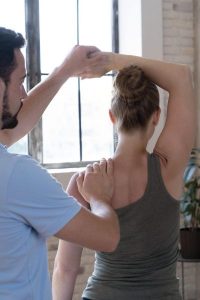
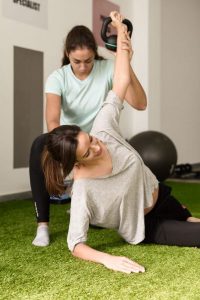
Techniques applied for this treatment focus on increasing flexibility and bringing balance to the entire system by stimulating weak muscles and stretching tight, contracted muscles. Joint Range of Motion will help you attain that free and limber body you have always wanted.
Massage Therapy and Joint Mobilization
Massage therapy involves a number of treatment tools that can be employed for a variety of purposes. Massage can be done to decrease stress, improve local fluid circulation, create energetic balancing or simply provide touch. Perhaps the greatest advance for massage therapy, though, has been the acceptance of clinical orthopedic massage in the world of complementary/integrative health.
Clinical orthopedic massage is done with the intent toward healing a specific musculoskeletal condition. Toward this end, massage therapy education includes science education, the major focus of which is learning muscles. Indeed, massage therapists often know their muscles better than many physicians. In the absence of true muscle doctors in Western medicine, massage therapists have filled this void and become muscle therapists; and usually excellent ones at that.
Muscles and Fascia
If you ask most orthopedic massage therapists what their intent and goal is when working on a client, they will usually describe a muscle or group of muscles that they want to manipulate and loosen. Certainly, tight musculature is likely one of the most common, if not the most common, presenting complaint of clients. However, with the increased awareness of fascial tissues (both the understanding of fascial adhesions and the concept of fascial contraction, as well as the understanding of the fascial links between muscles of a myofascial meridian), some of the focus of massage therapy is being shifted away from the muscles themselves toward fascia. Although the pendulum should not swing too far away from musculature, it is important that a greater understanding and focus on fascia occurs so that we can have a more balanced approach to treating all soft tissues. By encompassing the fascial tissues into the treatment paradigm, massage therapists can broaden their domain to define themselves not only as muscle therapists but rather as myofascial therapists.
Defining the scope of massage therapy in this way is crucially important. It is not just inflexible muscles that can decrease mobility, limit a client’s function, and cause discomfort and pain. All inflexible taut soft tissues can do this, whether they are muscles, tendons, broad fascial planes between and around musculature, ligaments or even joint capsules. In this context, the role of massage therapy can be understood to manipulate all soft tissues.
Joint Capsules and Joint Manipulation
Massage therapists can and should pay attention to the flexibility/tautness of all soft tissues, including joint capsules and other deeply seated intrinsic ligaments. These deeper fascial structures connect and provide stability to the bones of a joint. However, if joint capsules become taut, often due to the accumulation of fascial adhesions over time, the joint will lose its mobility. The province of loosening joint capsules is usually left to chiropractic and osteopathic joint manipulation. With the use of high velocity, short lever arm manipulation (a fast thrust that is implemented over a short range of motion), called an adjustment, chiropractors and osteopaths stretch joint capsules, thereby increasing the joint’s range of motion, and therefore the client’s mobility.
Muscles and Joints – Chicken and Egg
Given that a major goal of clinical orthopedic work is to increase the client’s mobility, it is important that both tight musculature and taut joint capsules are treated. Indeed, tight muscles and taut joint capsules can be looked at as the proverbial chicken and egg. If tight muscles are loosened with massage, the remaining taut joint capsules will still decrease joint motion; and this decreased motion will eventually cause the muscles to tighten again. If, on the other hand, the client has a chiropractic adjustment to loosen the joint capsule, but the muscles are not loosened, these tight muscles will decrease the joint’s range of motion, ultimately leading to the joint capsule becoming taut again. For this reason, it is critically important that muscles and joints are both addressed. This is why chiropractors and massage therapists so often work together. Marrying joint adjustments with massage soft tissue manipulation ideally complement each other, addressing both the chicken and the egg.
Chiropractic and Massage
When chiropractors and massage therapists practice together, the order in which their work is performed can matter. Many chiropractors choose to have the massage therapist work on the patient/client after the adjustment is done. However, this decision is often motivated more by ease of schedule and patient flow than by optimal treatment protocol. Given that an adjustment takes only a couple of minutes, but massage is performed for anywhere from 15 minutes to an hour, it is often easier for the chiropractor to adjust all of his/her patients and then leave them for the massage therapists to work on.
However, for most clients, it is more beneficial to have the massage done first. An adjustment can be performed more gently when the client’s musculature and other fascial tissues have already been loosened. This is important because, if an adjustment is performed too forcefully, not only might it be uncomfortable for the patient, but also there is an increased chance that it will trigger a muscle spindle (stretch) reflex that could then result in increased muscle spasming. The more gentle the adjustment, the less likely spasming will occur and the more comfortable it will be. Further, if the muscles and other fascial tissues are loosened first, the joint will release more fully, resulting in a more successful adjustment. For this reason, it is usually preferable to have the adjustment follow the massage, not precede it. When partnering with a chiropractor, it is valuable to discuss these ideas and determine how to best work for the benefit of your patients/clients.
Massage Therapy Joint Mobilization
Massage therapists who do not partner with a chiropractor can still do valuable work to address taut joint capsules through joint mobilization. Joint mobilization is performed by bringing a joint slowly through a small and precise range of motion. Joint mobilization is similar to chiropractic manipulation in that it is performed through a short range of motion and focuses on loosening deeper intrinsic ligaments and joint capsules. However, the crucial difference between a chiropractic joint manipulation/adjustment and joint mobilization is that joint mobilization is performed slowly and never involves a fast thrust.
Joint Mobilization of the Neck
| Joint Mobilization Versus Stretching: Author’s Note: Although joint mobilization can be viewed as a type of stretching, specifically a type of pin and stretch technique, there is a critical difference between joint mobilization and other stretching techniques. All other stretching techniques, whether they are classic static stretching, dynamic stretching, or even advanced neurologic inhibition stretching techniques such as proprioceptive neuromuscular facilitation (PNF) stretching or agonist contract (AC) stretching, involve bringing the joint through a large range of motion. Joint mobilization, on the other hand, involves a small range of motion that is focused at a specific segmental joint level. Let’s look at the neck to understand the difference. If the entire neck is stretched into right lateral flexion, the stretch will be spread over the left side of the neck. However, because the stretch is applied across the entire left side of the neck, a taut (hypomobile) joint capsule at one level of the neck may not be stretched because other (hypermobile) levels of the neck compensate by stretching more. Therefore, a hypomobile joint may avoid the stretch because adjacent hypermobile joints compensate. For this reason, as valuable as stretching is as a treatment tool, it can be ineffective at addressing segmental hypomobile joints. Joint mobilization technique is criti-cally important because it is the only technique available to massage therapists that can restore motion to specific segmental hypomo-bilities. Note: Before employing joint mobilization technique, check with your licensing or certification body to make sure that it is within the scope of your practice. |
To best understand joint mobilization, let’s look at joint mobilization of the cervical spine into right lateral flexion at the C5-6 joint level. In essence, a joint mobilization can be looked at as a type of pin and stretch. One vertebra must be pinned while the adjacent vertebra is moved/stretched relative to it.
In Figure 1, we see that the therapist uses one hand to contact the lower vertebra (C6). Three contact options are shown: the thumb, finger pads, and the radial side of the index finger. In each case, the contact is made on the facet (articular process) of the vertebra, approximately halfway between the spinous process and the transverse process (Figure 2). The facets form a broad smooth surface that is a comfortable contact for the client (contacting the transverse processes would be extremely uncomfortable for the client). The therapist’s other hand must hold and move the client’s head. As a rule, this hand is placed on the other side of the head from the hand that is contacting the vertebra. It must be placed under the center of weight of the client’s head so that the head is easily balanced in the hand. Care must be taken not to cup over the client’s ear or press on their mandible. Now, securely pinning the vertebra below (C6), bring the client’s head and upper cervical spine (C1-C5) around the pinned vertebra until the end of passive range of motion is reached and tension is felt at the C5-6 joint (Figure 3).
Now the actual joint mobilization can be performed in one of three ways:
- The facet of C6 can be pushed farther while the client’s head and upper neck are securely held.
- The client’s head and upper neck can be moved farther while C6 is securely held.
- Both C6 and the client’s head and upper neck can be simultaneously moved relative to each other.
The position of joint mobilization is held for less than one second and then released. This procedure is usually repeated a few times at that level and then performed at the other joint levels of the neck. After mobilizing into right lateral flexion, left lateral flexion is done, as well as other ranges of motion bilaterally. The result is that the entire neck is mobilized in all ranges of motion.
Effective and thorough clinical orthopedic work requires increasing flexibility of not only muscles and superficial/intermediate fascial tissues, but also the deeper intrinsic ligaments and capsules of joints. Massage strokes are ideal for remedying tightness in the superficial and intermediate tissues. Supplementing this, stretching can be invaluable in increasing flexibility of most soft tissues. However, to truly address tautness/adhesions in the deepest fascial structures of the joints, intrinsic ligaments and joint capsules, joints manipulation is necessary. Although joint mobilization technique can take time and practice to learn well, the benefit to your clients and to your practice makes the effort well worthwhile.
Concentrating on the deeper layers of muscle and fascia, this therapeutic treatment helps relieve tight, stiff, and painful areas in the body. Deep Tissue Massage also aids in releasing cellular waste build up while relieving chronic pain patters. This is a preferred choice for Chiropractic patients in second phase of treatment.
Deep Tissue Massage: Benefits, What to Expect, and Side effect…
A deep tissue massage targets deep layers of muscle and the surrounding tissues. People may choose this type of massage to treat sports injuries or chronic pain.
In this article, we look at the benefits of deep tissue massage, as well as potential risks and side effects. We also discuss what to expect during a massage and how to find a massage therapist.

According to a 2018 reviewTrusted Source, deep tissue massage works to lengthen and relax deep tissue. This type of massage may help manage pain and increase a person’s range of motion.
Deep tissue massage may be a suitable option to treat sports injuries or chronic back pain. The technique is sometimes considered one type of therapeutic massage.
Deep tissue massage can provide many benefits for various conditions, including injury, chronic pain, and certain diseases.
May help back pain
A 2017 study looked at the effects of deep tissue massage in 31 males with ankylosing spondylitis, a form of arthritis.
The researchers divided the participants into two groups to receive either deep tissue massage or therapeutic massage without deep tissue massage techniques.
All participants had 10 massage sessions across 2 weeks, each session lasting for 30 minutes.
The study found that deep tissue massage significantly reduced pain compared to therapeutic massage.
May reduce high blood pressure
Research shows that sports massage may reduce heart rate and high blood pressure. However, there are limited studies that look at the effects of deep tissue massage on this condition.
Aids recovery after injury
Research suggests both deep and soft tissue release may aid recovery after an injury, such as an ankle injury.
Massage can help:
- relieve pain and stiffness
- improve circulation to reduce swelling or buildup of fluid around the injury
- speed up healing of muscle strains and sprains
- restore range of motion
Pregnancy
A 2016 case study suggests deep tissue massage helped reduce lower back pain in a 28-year-old pregnant person.
After 12 sessions of deep tissue massage lasting 30 minutes each, twice a week, the participant reported a reduction in lower back pain. Massage increases serotonin, which can relieve pain in the legs and back.
Massage therapy websites also suggest deep tissue massage can support better sleep, improve sports performance, and break up scar tissue.
Therapeutic massage, including deep tissue massage, may also help with:
- Mental health: Massage may help reduce symptoms of stress, anxiety, and depression. It can also offer relaxation and improve coping mechanisms.
- Chronic lung disease: Massage may help improve respiratory function.
- Digestion: In addition to other therapies, massage may help with chronic constipation.
- Pain relief: Massage may help manage pain in conditions such as fibromyalgia, arthritis, and sciatica. It may also help treat headaches and control pain during childbirth.
People may experience discomfort during a deep tissue massage, particularly if a therapist targets problem areas. They can let their massage therapist know if a massage becomes too painful.
Although massage has a low riskTrusted Source of harm, deep tissue massage may not be suitable for everyone. People may want to first check with their doctor if they have any of the following:
- a blood clotting disorder
- increased risk of injury, such as bone fractures
- nerve injury
- older age
- any recent surgery or chemotherapy
- wounds or skin conditions
- hernia
Deep tissue massage targets deep areas of muscle, while other massage techniques may focus on superficial body regions.
Certain types of massage are best suited to treat certain conditions as an additional treatment method.
Examples of massage techniques include:
- Swedish massage: Suitable for general relaxation and tension release. Uses a kneading approach to increase circulation and stimulate nerve endings in superficial layers of muscle.
- Reflexology: Targets pressure points to release areas of pain or tension.
- Neuromuscular massage: For treating chronic pain and injury, and improving posture and muscular imbalances.
- Craniosacral therapy: A light massage to deeply relax the body and promote natural healing and alignment.
- Lymph drainage therapy: A therapist applies light pressure to increase lymph fluid movement and support the immune system. People may use this massage as an additional treatment for autoimmune disorders, cancer, and surgery.
- Reiki: Light pressure to aid healing, reduce pain, and ease symptoms.
- Hot stone massage: A therapist places heated stones on the body to relieve stress and tension, which deeply relaxes the body.
A therapist may ask people to lie on their side or their front on a massage table, depending on the massage area.
The therapist may first warm up the muscles with light pressure, before massaging the targeted area with slow strokes and applying deep pressure with the hands, arms, or elbows. This works to release contracted muscles and tissues.
People may require repeat treatments to see improvements in areas of deep muscle tension or injury.
They may also need other techniques alongside massage therapy, such as physical therapy and exercise.
To find a suitable massage therapist, people may want to consider the following:
- asking a healthcare provider for a recommendation or referral
- searching a recognized database, such as the American Massage Therapy Association
- researching a massage therapist’s experience, training, and qualifications
- checking that a massage therapist is willing to work alongside other healthcare professionals, especially when a person is undergoing treatment for a health condition.
- making sure a massage therapist understands any health conditions or concerns people may have, and checking their experience of treating those specific needs
- checking to see if health insurance covers the type of massage treatment and if restrictions apply
A person might also want to ensure good communication between themselves, their massage therapist, and their healthcare team to make sure all treatments align.
Deep tissue massage can be an effective treatment method for various conditions, including sports injuries and back pain.
Therapeutic massage may also relieve stress and help with health conditions such as fibromyalgia and high blood pressure.
Deep tissue massage works to relax the body and relieve tension. However, it may initially be uncomfortable due to the pressure on the deep muscle areas.
A person can check with a healthcare provider to ensure it is safe for them to receive a deep tissue massage.
NMT works on the central nervous system in addition to the muscles, ligaments and soft tissue of the body. Deep direct pressure is applied to alleviate chronic pain by turning off nerve signals that are the root of pain, often sent from a different area in the body. NMT addresses these “trigger points” which cause localized and referred pain in the body. This is a preferred choice for Chiropractic patients in third phase of treatment.
Designed specifically for a mother-to-be, this nurturing massage is prefect to reduce stress and help relieve discomforts and compression within the body. Calm your body and your new baby with a relaxing Pregnancy Massage!
There are several reasons you might consider having a pregnancy massage (also called a prenatal massage). Pregnancy changes your body and mind, bringing about a wide range of emotions and aches and pains in places that never hurt before.
:max_bytes(150000):strip_icc():format(webp)/pregnancy-massage-benefits-contraindications-and-safety-5190485-FINAL-c89f331227f24d5aa5a7e789c13c3a30.jpg)
A prenatal massage may help alleviate some of the discomforts of pregnancy while providing a sense of relaxation—but is it safe? In general, the answer is yes. However, there are some important things you should know before you schedule a session.1
First, you will need to ask your doctor if it would be safe for you to have a prenatal massage, as there are some women who should not have massages while they are pregnant.2 Once you get your doctor’s OK, you’ll need to find a massage therapist who has the training and certification necessary to do pregnancy massage.1 Verywell / Jessica Olah
Massage therapy is a natural modality for improving the function of the body, reducing pain, and lowering stress. Prenatal massage is a type of massage therapy that is specifically for pregnant women.
Type of Bodywork Used
The unique needs of each pregnant woman will determine the type of bodywork that is used during a pregnancy massage. These needs—which can be hormonal, emotional, and physical—will change throughout the pregnancy.3
In general, there are many types of massage therapy. Examples include shiatsu massage, deep tissue massage, sports massage, and Swedish massage.
A prenatal massage primarily makes use of the gentle Swedish massage techniques, which provide muscle relaxation to the entire body. The techniques include various types of strokes and movements that are used, which include:4
- Friction (small circular movements)
- Effleurage (long gliding strokes)
- Tapotement (percussion movements, brisk tapping)
- Vibration (shaking and rocking movements of specific muscles)
- Petrissage (kneading the muscles)
A pregnancy massage will also cater to the unique needs of a person who is pregnant. Special care is taken to position the woman’s body using bolstering (or propping) to accommodate the physical changes that occur during pregnancy (such as the growing belly).5
This can include certain body positions, depending on how far along the pregnancy is. For example, side-lying positions are normally used during the second and third trimesters. Lying on the left side is safest for pregnant women, allowing optimal cardiac function and fetal oxygenation.5
A prenatal massage usually lasts around 50 to 60 minutes.2
Benefits of Pregnancy Massage
Swedish massage can help improve a person’s general body tone, increase blood flow and lymph circulation, improve the function of the joints and muscles, and alleviate physical and mental fatigue.6
Additional benefits of prenatal massage include:74
- Providing an overall sense of well being
- Improving sleep
- Increasing oxygenation of muscles and tissues
- Hormone regulation (which is linked with lower stress levels)
- Pain relief
- Reduction of swelling (edema)
- Relieving anxiety and stress
Research
Studies have shown that pregnant women with depression have a higher incidence of giving birth to premature and low birth weight babies.87
In a 2010 study, a group of pregnant women were assigned to receive once- or twice-weekly 20-minute sessions of pregnancy massage therapy for 5, 12, or 16 weeks.9
The women who received pregnancy massage had lower levels of stress, depression, and anxiety; lower premature birth rates; and fewer complications before birth (prenatal) compared to the control group who did not participate in pregnancy massage.
Other benefits of pregnancy massage that were reported in the study include:9
- Lower incidence of depression (which might have been the result of an increase in dopamine and serotonin levels)
- Lower levels of anxiety
- Less back and leg pain
- Decreased levels of cortisol (the stress hormone)
- Lower rate of postpartum depression
The study also noted several benefits for the fetus. Prenatal massage was linked to higher fetal performance in the Brazelton Neonatal Behavioral Assessment habituation, orientation, and motor scales (a measurement of a newborn baby’s responses to the extrauterine environment, including an evaluation of activity levels and reflexes). Newborns also had lower cortisol levels.
Risk Factors
When considering the benefits of pregnancy massage, it’s important to understand there are also some risks involved.
There are also circumstances in which pregnancy massage is not recommended, as well as some controversial issues (such as areas of the body that should not be massaged).
Contraindications
Contraindications are circumstances in which harm could be caused by a specific treatment, medication, or other intervention.
Massage is contraindicated when a person has certain medical conditions or under specific scenarios, especially during pregnancy, including:10
- Bleeding disorders
- Taking blood thinners
- Thrombocytopenia (low platelet level)
- Healing skin (from burns, wounds, or other types of skin breakdown)
- Deep vein thrombosis (blood clots)
- Fractures (broken bones)
- Infections
- Osteoporosis (a condition that involves progressive bone thinning)
- Taking certain medications
- Uncontrolled hypertension (high blood pressure)
- Recent surgery or organ transplant
Pregnancy-Specific Contraindications
There are also several conditions that are specific to pregnancy that could make it unsafe for a person to have a prenatal massage.5
You should not get a pregnancy massage if you have:
- A high-risk pregnancy: Certain risk factors make a pregnancy considered high-risk, such bleeding, pre-term contractions, and preeclampsia.
- Pre-eclampsia: A serious complication of pregnancy is a condition called preeclampsia. It usually develops around 20 weeks and involves a dangerous rise in blood pressure and protein in the urine which could cause a stroke or even death.
- Deep vein thrombosis (DVT): If a person has. a DVT, they may have swelling in the leg where there is a blood clot (thrombus). If the DVT is treated and resolves, a person might be able to have a prenatal massage.
- Placenta previa, accrete, or abruption: Conditions that involve the placenta can lead to bleeding.
- Gestational diabetes mellitus: High blood sugar levels during pregnancy are not strictly a contraindication to prenatal massage; however, a person will need to get the approval of their doctor and be prepared to check their sugars before taking part.
Controversial Safety Factors
There are several factors related to prenatal massage safety that experts do not necessarily agree upon. Here are a few of the key issues to keep in mind.
The First Trimester
Some experts warn that getting a massage during the first trimester of pregnancy carries the risk of miscarriage. Many massage therapists have raised concerns that the dramatic increase in blood flow that occurs during a massage could increase the risk of miscarriage.1
There have not been enough research studies to back up the safety of massage therapy during the first trimester. Therefore, you need to talk to your OB/GYN before getting a pregnancy massage in the early stages of your pregnancy.
Massaging Certain Pressure Points
Some experts warn that massaging certain pressure points in the body could initiate labor contractions. For this reason, a person’s doctor must approve the techniques that will be used during a pregnancy massage (particularly during the first trimester).1
Modifications for Pregnancy
While prenatal massage is designed for women who are pregnant, the pregnancy experience is not the same for everyone. Each woman will have their own set of symptoms that need to be taken into consideration, and modifications can be made to ensure the massage is safe and enjoyable. Some examples include:5
Morning sickness
According to the American Massage Therapy Association, massage may help reduce nausea from morning sickness. Adjustments in technique to accommodate nausea include elevating the person’s upper body and avoiding massage strokes that cause rocking or shaking.
Heartburn
Keeping a pregnant woman’s body in an inclined position may help prevent reflux, a common condition during pregnancy. When she is lying on her side, propping up the area under the abdomen can reduce tension from the gastric sphincter (the area in the stomach where reflux occurs).
Varicose veins
Massage should not be performed on top of varicose veins because they could be a sign of a blood clot. If there is swelling in the legs or signs of varicose veins, massaging the legs should be avoided.
Blood clots
During pregnancy, a person’s blood volume increases dramatically and blood flow is slower than usual. Anticoagulant levels—factors that prevent bleeding—naturally increase in preparation for preventing hemorrhage during and after labor.
The circulatory changes make a pregnant person at higher risk for blood clots. Using very strong pressure and deep tissue massage could dislodge a blood clot, resulting in dangerous pregnancy complications.
Therefore, a prenatal massage should not include deep tissue massage, acupressure, shiatsu, or percussive tapping on the lower extremities.
The abdomen is not typically massaged during a therapeutic prenatal massage.
Edema (swelling)
Swelling commonly occurs during pregnancy—usually around the halfway mark or later. While it can be a typical part of pregnancy, it can also be a sign of a problem. For example, swelling of the face or hands can be a sign of preeclampsia (a condition that is a contraindication for a pregnancy massage).
When swelling involves the lower legs and feet, she may respond well to massage techniques, but the person’s doctor must approve the massage techniques when edema is present.
How to Choose a Prenatal Massage Therapist
After you get your doctor’s approval, you can begin researching massage therapists that are qualified to do prenatal massage.1
To ensure you have a safe and helpful experience, make sure that a potential therapist:
- Is certified in prenatal massage (you can look up the therapist online to ensure the person is licensed in massage and certified to provide massage during pregnancy)
- Provides a clean environment
- Does not use essential oils that should be avoided during pregnancy (such as basil and clary sage)11
- Uses proper positioning and approved massage techniques for pregnancy
Tips for Pregnancy Massage
When you’ve gotten your doctor’s OK and you’ve found a qualified therapist, there are some steps you can take to ensure you have a positive prenatal massage experience.1
- Try to leave your self-consciousness at the door. If you are feeling uneasy about your pregnancy body, try to go into your massage reassured that therapists are unbiased and are there to help you feel your best.
- Speak up. If you are uncomfortable exposing certain parts of your body, let your therapist know. A professional massage therapist will create a safe environment for the massage and will not force you to do anything that makes you uncomfortable.
- Drink plenty of water before and after your massage. Staying hydrated is always important, but the fluids may also help to flush away toxins.
- Avoid scheduling your appointments more often than weekly. The general recommendation is that you don’t have more than one prenatal massage per week, but you will want to ask your doctor how often is right for you.
Summary
A prenatal massage is a technique that can be used by massage therapists who are specially trained to perform massage on women who are pregnant.
While there are many types of massage, pregnancy massage most often uses Swedish massage techniques to provide muscle relaxation to the entire body.
A Word From Verywell
A prenatal massage can be a way to soothe your body and mind throughout your pregnancy, but you need to check with your doctor before scheduling a session. There are some conditions and situations that would make it unsafe to have a massage while you’re pregnant.
Once you get your doctor’s approval, look for a massage therapist who is trained and certified in prenatal massage. Before making an appointment, call your insurance company to find out what it might cover.
Frequently Asked Questions
Can my partner give me a pregnancy massage?
While it’s OK to give your partner a back or foot rub to help reduce stress and lower tension, a layperson should not give a pregnancy massage. They should only be given by a trained, certified prenatal massage therapist.
Where can I get a pregnancy massage?
If you want to try a pregnancy massage, you need to find a certified prenatal massage therapist.
These certified professionals have additional training beyond the standard education for a licensed massage therapist. They are trained to look for signs of pregnancy complications (such as deep vein thrombosis or varicose veins), how to position a pregnant person to prevent injuries (such as strain to the uterine ligaments, and how to address other specific needs during pregnancy.
Who should not get a pregnancy massage?
There are many scenarios in which a person should not get a pregnancy massage. Some of the most common include:5
- Any type of high-risk pregnancy
- Previous pregnancy complications (such as pre-term labor)
- Severe swelling, high blood pressure, or severe headaches (which can be signs of pre-eclampsia)
- Pre-eclampsia
- Deep vein thrombosis
- Placenta problems
- Recently post-partum (after birth)
How much does a pregnancy massage cost?
The cost of a pregnancy massage varies depending on different factors, such as your geographical location and the type of facility offering massages.
The average cost for a 30- to 60-minute massage is $60 to $100 but can be more.
Insurance usually will not cover a pregnancy massage. Some may offer discounts or cover part of the cost. Some plans may cover massage under chiropractic care.
Check with your insurance provider before scheduling your massage.
A strategic set of techniques to enhance athletic performance pre or post event. Sports massage aids in reducing limitation of movement and stamina so you can see the gains in athletic ability that you have been striving for.
Sports massage is a focused and systematic approach that targets muscles used in specific sports. It uses various techniques to decrease muscle pain, improve recovery, and enhance overall range of motion and flexibility. Whether you’re an elite athlete or someone who regularly exercises, sports massage can benefit you. Here are some key points:
What Is Sports Massage?
- Sports massage is tailored to an individual’s needs, aiming to achieve maximum performance, physical conditioning, and quicker recovery.
- Techniques include Swedish-style massage, effleurage (stroking), petrissage (kneading), compression, friction, tapotement (rhythmic striking), vibration, gliding, stretching, percussion, and trigger points.
- It differs from deep tissue massage, which focuses on the whole body rather than specific sites.
Benefits of Sports Massage:
- Increased joint range of motion (ROM) and flexibility.
- Decreased muscle tension, neurological excitability, and muscle spasms.
- Improved sense of well-being, mood, and sleep quality.
- Potential benefits (with limited research evidence) include increased blood flow, reduced lactic acid buildup, decreased chance of injury, and shorter recovery time between workouts.
Finding a Therapist:
- If you’re interested in sports massage, consider seeking a credentialed sports massage therapist near you.
Sports massage is focused and systematic, targeting muscles that are used in a specific sport. It uses various techniques to decrease muscle pain and improve recovery, as well as improve overall range of motion and flexibility to support safe and effective movement.
A sports massage therapist can assist with training, rehabilitation, and pre- or post-performance goals. While often sought by elite and amateur athletes, sports massage can also be beneficial for anyone who regularly exercises.
This article explains what sports massage is for and the various styles of massage that may offer benefits. It also offers information about how to find a sports massage therapist near you.
:max_bytes(150000):strip_icc():format(webp)/female-sports-massage-therapist-hard-at-work-667370730-5a74a622a18d9e00363112ef.jpg)
Various movements and techniques are used to try to help an athlete’s body achieve maximum performance and physical conditioning, with a decreased chance of injury or pain and a quicker recovery.
A sports massage session is specifically tailored to an individual’s needs. Some elements of sports massage are used in other physical therapy settings and to treat conditions outside of sports, such as carpal tunnel syndrome.
Examples of techniques used in sports massage include:
- Swedish style massage
- Effleurage (stroking)
- Petrissage (kneading)
- Compression
- Friction
- Tapotement (rhythmic striking)
- Vibration
- Gliding
- Stretching
- Percussion
- Trigger points
Deep Tissue Massage vs. Sports Massage
Deep tissue massage relies on similar sports massage techniques, such as effleurage, but often is used as a firm-pressure massage of the whole body rather than a specific site. However, it may be more focused when used to treat neck or chronic lower back pain,1 or for pain management during labor and delivery.2
Sports Massage Benefits
Many sports massage benefits have been reported on the basis of experience and observation alone. These include:
- Increased joint range of motion (ROM)
- Increased flexibility
- Decreased muscle tension
- Decreased neurological excitability (nerves more relaxed)
- Decreased muscle spasms
- Increased sense of well-being
- Decreased anxiety and improved mood
- Better sleep
Purported benefits for which there is limited research evidence include:
- Increased blood flow
- Increased elimination of exercise waste products (lactic acid)
- Decreased chance of injury
- Decreased recovery time between workouts
Limits of Sports Massage
Some studies have shown a modest benefit in reducing delayed onset muscle soreness (DOMS).3 Others demonstrate a benefit in reducing lactic acid buildup in muscles when sports massage is used in combination with cold water immersion after exercise.4
Additional research has focused on benefits associated with active and passive recovery, with some evidence that passive recovery may be the superior approach.5
On balance, study findings on sports massage indicate that while it does not negatively affect performance, its benefits are not quite as clear.
More research is needed on the positive effects of sports massage.
Side Effects of Sports Massage
For the most part, sports massage is safe with very few side effects.
Potential side effects of sports massage include tenderness or stiffness for one to two days after a therapy session.
It’s also possible that you could have a skin reaction to the massage oils used.
How Painful Is a Sports Massage?
You may feel some discomfort during or after a sports massage, but it should not cause significant pain. If you feel pain beyond what some call “the good kind of hurt,” tell your therapist right away.
Finding a Sports Massage Therapist
It is important that you book your sessions with a credentialed sports massage therapist. These practitioners are specially trained to work with people with various sports injuries and help prevent future injury related to your sport or activity of choice.
You can look for some in your area by checking the National Certification Board for Therapeutic Massage & Bodywork (NCBTMB)’s Find A Nationally Certified Practitioner database. You also can use the American Massage Therapy Association’s (AMTA) Find a Massage Therapist database.
The AMTA recommends asking the following questions:
- What are your certifications?
- Are you licensed or registered as a massage therapist in this state? (Almost all states regulate massage therapists, requiring credentials to practice.)
- Which types of massage are you trained to perform?
- Can you address my health and fitness concerns?
Sports massage is highly valued by many athletes, even though some of its purported benefits are not supported by research. If your goal is relief from sore and tense muscles after a workout, as well as general relaxation, it may be valuable for you.
An energy balancing treatment that uses hot stones to melt away stress. Hot Stone massage is great for facilitation circulation and is the ultimate tool for relaxing the mind body and soul. Dissolve your tension into bliss with a Hot Stone Massage.
With gentle manipulations, your natural rhythm of the central nervous system is brought back into harmony with Cranioscaral Therapy. The practice uses subtle touch and light holdings of the skull, sacrum, an other parts of the body to synchronize and balance our nervous systems by releasing traumas and nourishing the brain and spinal cord. Few systems have as much impact on the human body as the craniosacral system. This is a preferred choice for Chiropractic patients after major trauma in initial phase of treatment.
Craniosacral therapy is a form of gentle massage designed to release tension in the fascia, a connective tissue network in the body. The treatment works by improving cerebrospinal fluid circulation and manipulating body rhythms within the nervous system.:max_bytes(150000):strip_icc():format(webp)/GettyImages-1423318443-4e014ab6b8134fb6a55dc7a360039a14.jpg)
The therapy aims to alleviate the symptoms of various health ailments and conditions, such as headaches, neck pain, and complex regional pain syndrome (CRPS), by relieving compression on the bones in the lower back, head, and spinal column. Typically, people undergoing this type of therapy can expect pain relief, lowered stress, and improved overall well-being.
Craniosacral Therapy: Benefits and Massage Goals
Craniosacral therapy is thought to relieve tension within the body that contributes to various health disorders or is associated with the treatments of other conditions, such as cancer.
There are several conditions and ailments that are said to benefit from craniosacral therapy, including:12
- Chronic pain conditions
- Infantile colic
- Attention deficit hyperactivity disorder (ADHD)
- Asthma
- Headaches
- Migraines
- Dizziness
- Tinnitus (ringing in the ears)
- Gastrointestinal disorders
- Stress-related mood disorders
- Depression
- Anxiety
- Therapy to relieve cancer treatment side effects
Body Parts Massaged
The areas of focus during craniosacral therapy are those along the fascia, which is the connective tissue that runs through the body. It contains organs, blood vessels, bones, nerve fibers, and muscles in place to function as they should.
By working this tissue through gentle-pressure massage, practitioners can help to calm the fight-or-flight response by stopping the sympathetic nervous system from perceiving danger.
The symptoms a person goes in for will determine in what areas of the body craniosacral therapy will be given. For example, if a person has headaches, they will likely be given a head or neck massage. Other areas involved in craniosacral therapy include:
- Your back
- Around the spinal column
- Other areas that have symptoms, such as joints or muscles
Parasympathetic and Sympathetic Nervous System
The parasympathetic and sympathetic nervous systems control different responses in the body. The parasympathetic nervous system aids in proper rest and digestive functions, whereas the sympathetic nervous system regulates the body’s fight-or-flight response.3
Pressure and Sensation
The pressure applied during craniosacral therapy is incredibly light. It is not the same as a deep tissue massage. Light pressure is applied over the affected fascial tissue to help modify certain body rhythms that could be playing a role in pain and other symptoms.2
Craniosacral Therapy Unknowns
Craniosacral therapy has been around for decades, but there are still some unknowns because of a lack of clinical research. Some studies suggest that it works, while others cannot find a scientific basis for it. Due to a lack of evidence, it’s uncertain if the treatment really works. In some circles, craniosacral therapy is referred to as pseudoscience for its lack of clinical evidence.4 It’s thought that the gentle pressure applied is not enough to make any real difference.
What Does ‘Pseudoscience’ Mean?
“Pseudoscience” is defined as, “A collection of beliefs or practices mistakenly regarded as being based on scientific method.” The word describes scientific or clinical health practices with no scientific basis behind them or their efficacy.5
Craniosacral Massage Therapy Techniques
The massage techniques used in craniosacral therapy rely on low pressure in the right places. It’s intended to be as gentle as possible.
The fingertips are often used during this type of massage to avoid applying too much pressure. The areas massaged are between the skull and the bottom of the spine. Healthcare providers work these spots to identify imbalances within the body and its cerebrospinal fluid.
If there is an imbalance in cerebrospinal fluid, the massage therapist will likely reposition you or press on the area to help release flow. The techniques aim to improve the body’s ability to regulate physiological responses.1
During and after the session, people may experience different sensations, including:6
- Feeling so relaxed you fall asleep
- Feeling as though you’ve entered a meditative state
- Feeling as though you’re dreaming even when wide awake
- Recalling different memories while being massaged
- Feeling a sense of warmth and softness or as if you’re floating
- Feeling relaxed and energized simultaneously
- Deeper breathing
- Feeling as though you are standing taller and straighter
Who Shouldn’t Do Craniosacral Therapy?
While craniosacral therapy is generally considered safe, some people should avoid it or speak to a healthcare provider before trying it. People with the following health ailments or disorders should not get craniosacral therapy:
- Blood clots
- Concussion or other traumatic brain injuries
- Brain swelling
- Brain aneurysm (blood-filled bulge in a blood vessel in or around the brain)
- Conditions that cause cerebrospinal fluid to build up
Giving Yourself a Craniosacral Massage At Home
While people can give themselves massages at home that are similar to craniosacral therapy, it is not advised because experts trained in the practice will be able to perform the procedure correctly. Manipulating your nervous system at home using this technique should be avoided.
Where to Get Craniosacral Therapy
Craniosacral therapy is typically offered by several healthcare providers, including:
- Chiropractors
- Osteopaths
- Physical therapists or occupational therapists
- A massage therapist licensed explicitly in craniosacral therapy
These professionals know how to perform the massage technique correctly, and if you wish to try it, you should seek out clinicians in your area who specialize in craniosacral therapy.
Summary
Craniosacral therapy is not new, but it has been gaining attention recently because of anecdotal evidence that it can help many ailments. While some clinical research speaks to its efficacy, studies are limited, and more information is required before craniosacral therapy becomes a more mainstream treatment option.
Since craniosacral therapy is relatively safe for most people, there is no harm in trying out the therapy technique if you and a healthcare provider believe it may be right for you. Visit a licensed professional who has experience with this route of treatment.
A combination of Swedish, Joint Range of Motion, Neuromuscular Trigger Point Therapy, and for a limited time, Craniosacral Therapy. The combination will be tailored to your needs. Ask about Sports Massage or Pregnancy Massage if you would like these treatments added to your Custom Signature Massage!
Custom massage therapy incorporates a variety of modalities, or types of massage techniques, to ensure the best-individualized treatment to each guest. Using different combinations of massage, allows your Massage Therapist to explore which modality is most beneficial for your health and wellness. Customizing your massage session allows you to discover your preferred modality. The Massage Therapists will consult with you at the beginning of your session to determine what modalities are best suited for you.
What are the types of modalities that can be incorporated in custom massage?
In general, massage therapy has over 80 modalities that are currently in practice today. LaVida Massage Therapists utilize a tried and true portion of these modalities to ensure each guest receives a customized massage session best suited to their needs. Below are the types of modalities you may request during your session.
- Deep tissue massage targets the deep layers of connective tissue and muscles in the body. This form of massage breaks down adhesions to restore natural movement and reduce pain. Since this type of massage involves deep pressure, it is best suited for athletes, runners, and individuals who have a medium to high pain tolerance.
- Swedish massage therapy triggers changes in the brain chemistry which results in reduced anxiety and an overall more improved mood. This is achieved by using gentle pressure to smoothly manipulate the muscle tissue. This promotes complete relaxation of the mind and the body.
- Hot stone massage utilizes warm smooth stones that are placed on the body to relax the muscles which helps to reduce pain within the body.
- Craniosacral therapy involves gentle touch from the massage therapist on areas such as the head which helps to relieve tightness caused by migraine headaches and even chronic pain. ??????
- Trigger point massage targets specific areas on the body otherwise referred to as knots. During this modality, massage therapists will focus pressure on one area until the tissue relaxes. Your massage therapist will communicate with you while they perform this technique so that they can adjust their pressure if necessary. This modality is best suited for a multitude of individuals, as trigger points, or knots, can form from any occupation or activity which uses the same muscles in a repetitive manner.
- Reflexology is a modality that involves applying varying pressure on specific parts of the body such as the hands, feet, and ears. Reflexology is a modality based on the theory that our bodies have zones that are connected. Manipulating one zone can help to relieve issues in another zone altogether, the goal of Reflexology is reestablishing connections between all of the zones so that they can work together as a whole. Because this modality focuses so heavily on relaxation and connections within the body it is well suited for those with anxiety, headaches, and even PMS.
- Sports massage is a good option for athletes, not only after an event but before as well. Athletes tend to work the same muscles over and over again which can lead to repetitive injuries to certain muscle groups. Sports massage is customized to involve manipulation of the muscles that an athlete uses the most in their sport, and may include a combination of any of the modalities listed here, as well as an emphasis on stretching. Sports massage may increase flexibility, range of motion, which can help prevent future injuries from occurring.
- Thai Massage involves a series of yoga-like stretches that your massage therapist will manipulate your body into. This type of massage uses pulling, rocking, and stretching motions to help relieve pain and stress throughout the body. Athletes also benefit from this type of massage because it helps to reduce stiff muscles and soreness. Those with back pain, and headaches may also benefit from this type of massage.