


Chiropractic Functional Neurology --COMING SOON--
Chiropractic Functional Neurology is a treatment option that offers new hope for patients suffering from a wide variety of neurological disorders. Functional Neurology has been instrumental in the successful treatment of many neurological disorders, including:
- Diseases and traumas of the spinal cord
- Traumatic brain injuries, including concussion recovery
- Fibromyalgia
- Developmental disabilities
- Cognitive and behavioral disorders
- Peripheral neuropathy, myopathy, and peripheral nerve lesions
- Dizziness and balance disorders
- And more
Using specifically designed treatments, Functional Neurology enhances the performance of the brain and nervous system. Based on the principals of neuroplasticity, it can alter various parts of your nervous system to work more efficiently and even generate new connections. These treatments have been proven to dramatically improve brain function in many patients.
Six Key Systems are known to be involved in brain health
For a Chiropractic Functional Neurology exam click for appointment.
Short History of Chiropractic Functional Neurology
Chiropractic Functional Neurology often referred to as either ‘chiropractic neurology’ or just ‘functional neurology’ is an emerging new discipline that is being used to treat various neurological and brain-based conditions, such as concussions or migraines.
The practice caught public attention in the early 2010’s, when it was used by Dr. Ted Carrick to successfully treat them resolve chronic health conditions, especially those associated with the brain or the neurological system.
Chiropractic functional neurology has grown to become a subdiscipline of chiropractic care that uses a range of advanced techniques to treat neurological and brain-based conditions, such as concussions and post-concussion syndrome (PCS), headaches and migraines, dizziness and balance disorders, peripheral neuropathy, and more, It takes an integrative approach to the treatment of neurological and brain-based conditions, by assessing how your body’s neurologic, metabolic, nutritional, and biomechanical systems are interacting with one another in their diagnosis of patients.
The chiropractic functional neurology approach is focused on finding ways to drive neuroplasticity in specific areas of the brain, in order to resolve existing health challenges.
Institutions in the Field of Functional Neurology
While the field of chiropractic functional neurology is still gaining mainstream acknowledgement, there are a number of institutions that provide training courses and certifications for practitioners in the field. These institutions play an important role in maintaining proper practice standards as the discipline continues to grow.
The Carrick Institute for Graduate Studies is an educational institution for studies in clinical neuroscience and rehabilitation, based in Cape Canaveral, Florida. The institute was originally founded by Canadian chiropractic doctor and researcher, Frederick R. Carrick, as the first training center for the new subspeciality of chiropractic neurology (also referred to as functional neurology), which he was responsible for establishing and pioneering.
Dr. Carrick was trained at the Canadian Memorial Chiropractic College and earned his Ph’D from Walden University in 1996. He gained widespread recognition in the early 2010’s when he helped treat the concussions of several high-profile professional athletes.
Today, the Carrick Institute continues to be a world leader in the field of chiropractic functional neurology, offering a wide range of training courses for practitioners seeking to learn more about this emerging discipline
The American College of Functional Neurology is an organization whose purpose is to help credential healthcare professionals in a number of subspecialties of functional neurology
The ACFN helps to certify physicians at the Fellowship level or the general certificate holder level for these subspecialties, as well as recertify practitioners to ensure standards for competent practice are maintained. The process of certification is governed by the college’s various subspecialty boards.
The certification process for ACFN Fellowship is extremely rigorous, requiring a full day of both written and practical examinations, as well as a marked presentation before a panel of examiners.
The American Chiropractic Neurology Board is a regulatory board for the field of chiropractic functional neurology in the United States. The ACNB conducts yearly examinations to recertify practitioners to continue to practice, which are typically held in multiple locations around the world.
The examination process consists of multiple days of both written and practical examinations, as well as an in-depth registration process for the examination. The ACNB also requires its members to receive at least 30 hours of continuing education per year from an approved list of sources to maintain licensure.
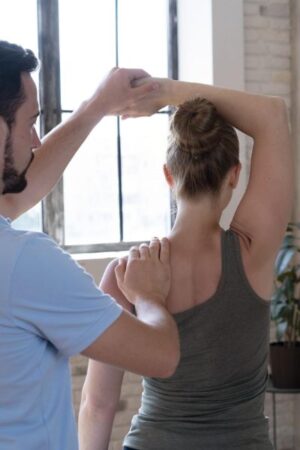
Chiropractic neurologists use spine and extremity adjustment differently to send afferent input to specific areas of the brain, taking advantage of the fact that proprioception is one of the main inputs to the brain and one of the triumvirate of balance, proprioception, and visual sensory information sources that the brain uses for primary survival. A hallmark of human evolution is that the brain has developed very sophisticated systems to know where it is in space to prevent falls, a leading cause of accidental human death. This requires continuously updated and very accurate maps of both internal and external environments. A great deal of this map localization and updating occurs through proprioception because the primary way the brain knows where its body’s parts are is through muscle spindle activity—one of many types of proprioception. Thus, the muscular system has both sensory and motor functions.
Chiropractic functional neurology uses the principles of Sherrington’s 1932 Nobel Prize–winning theory known as the central integrated state. This refers to a nerve’s ability to “fire” being the sum of all its activating and inhibiting inputs. It also relies on modern understandings of the importance of accurate visual, vestibular, proprioceptive, and cortical integration in neurodevelopment, neurotrauma, and neurodegeneration. Because many nervous system abnormalities have no ablative or organic pathology, they are termed functional lesions. It is the nonablative basis of functional lesions that can make them amenable to improvement through the unique applications of chiropractic functional neurology.
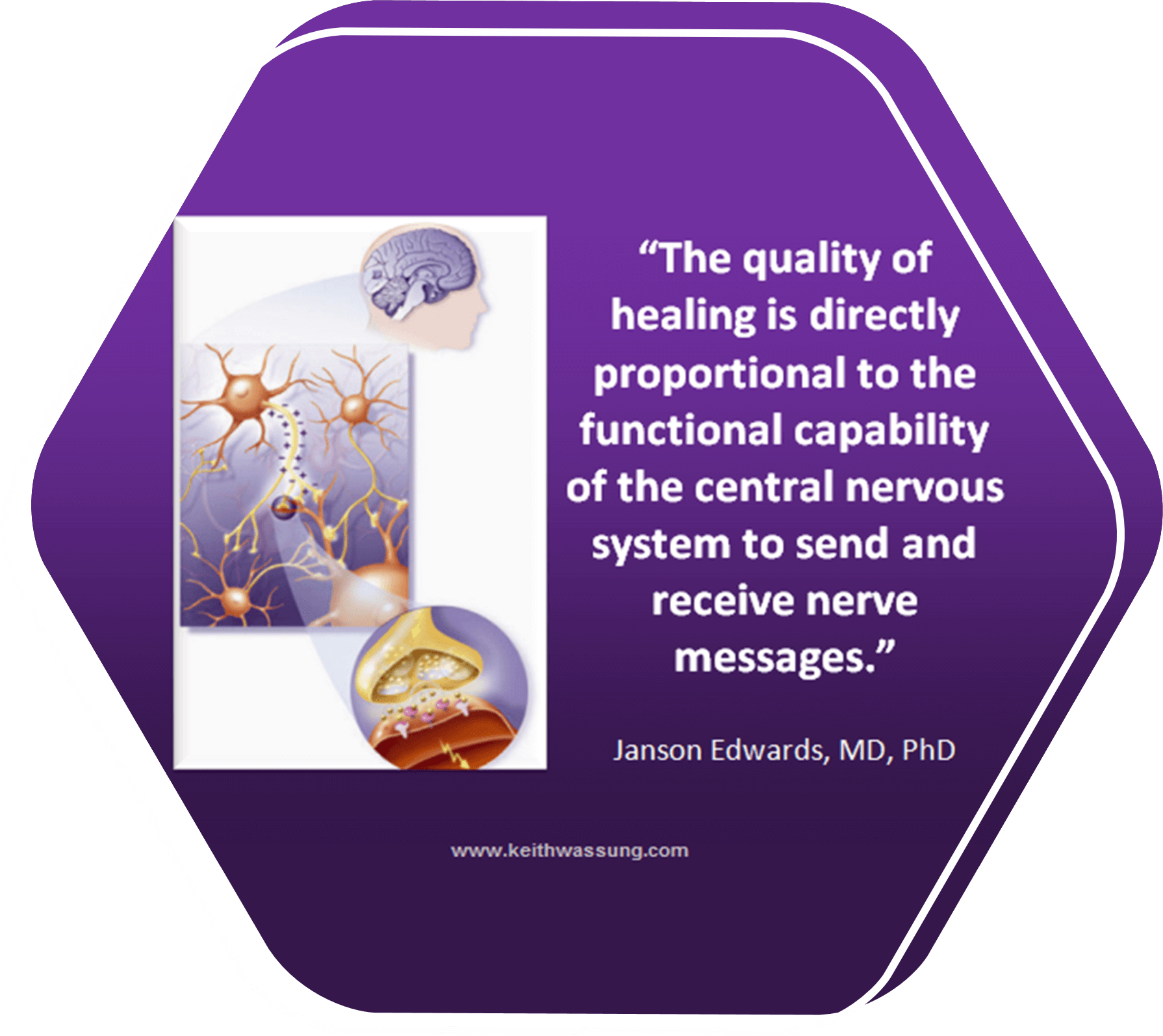
The nervous system was once considered fixed after childhood, but now we know it is capable of remarkable change. The brain and nervous system are “plastic” and can be shaped or modified by sensory, motor, or cognitive experiences where temporal- and spatial-summative neural activation can be used to rewire and reprogram the nervous system. Repetitively firing a pair of neurons produces neurotransmitters in the “talking” neuron. This increases receptor expression for that neurotransmitter on the “listening” neuron. The “listening” neuron also sends neurotrophic growth factors back to the “talking” neuron, further promoting stability of the connection. Nerve cells can also grow new connections to different neurons using synaptogenesis and can perhaps use neuronal migration to extend to more distant areas. This is how humans learn any new skill and why “practice makes perfect.”
Our Chiropractic Care incorporates additional educational and training in neurology. Instead of a symptom focus treatment plan, our holistic approach to healthcare treatment treats the whole person in order to heal the root cause of the health problem for long term relief.
We understand how over time, even a small neurological imbalance can result in undesirable health conditions. Our goal is to return your body to peak physical performance so that you can enjoy functional optimal health. After an initial Consult/exam to determine diagnosis and the best treatment for you, our doctors may choose one of several treatment methods:
- Manual Adjustment
- Activator
- Eyes exercises
- Sensory stimulation (light, sound, smell and or touch)
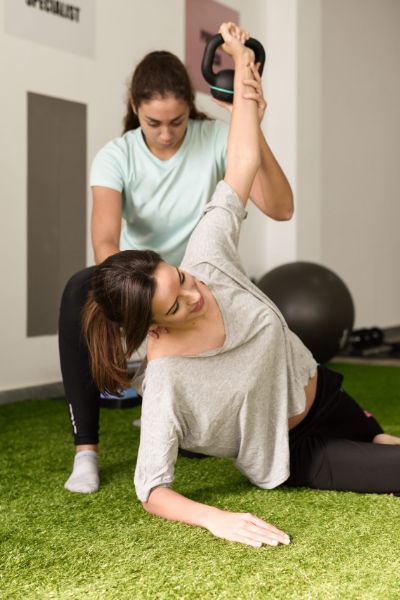
- Therapeutic exercises (spinal stability specific sensory and moto pathway, etc.)
- Coordination and balance activity
- Spinal decompression
- Vestibular platform test and exercise
- Clinical Nutrition
- In addition to many other treatment options
Identifying underlying weaknesses in neurologic or metabolic functioning
Post-Concussion Syndrome (PCS)
Assessment, Testing & Treatment for Post-Concussion Syndrome (PCS)
What Leads to Post-Concussion Syndrome Depression and Anxiety?
What Are Saccades & How Are They Related to Brain Injuries?
Postural Orthostatic Tachycardia Syndrome (POTS) in Post-Concussion Syndrome Patients
6 Common Symptoms of Post Concussion Syndrome
Diet for Concussion Recovery
Chronic Migraine Treatment Using Functional Neurology
5 Problems That Could Be Linked to Your Concussion
Post-Concussion Syndrome (PCS)
One of the questions that we often get asked by new Post-Concussion Syndrome (PCS) patients is whether or not they should be working. While about 9 out of 10 patients that I see are on disability or are unable to attend school, the other 10% are still trying to continue with their lives, despite their symptoms.
The pressure to return to work after an injury can be a major stress factor, but it is important to not rush back into things or try to push through the pain. An early return to work can greatly impact the recovery process for concussion patients, especially those experiencing PCS.
Do Your Symptoms Get Worse At Work?
When trying to assess whether a patient should go back to work or not, the question we always ask them is, ‘Do your PCS symptoms get worse while you are working?’
If the answer is ‘yes’, then based on our experience, you shouldn’t be working. If your work is aggravating your symptoms, it typically means you are pushing your injured brain pathways to the point of failure.
Pushing through the pain does not make your brain pathways stronger and can actually injure them further. Patients who try to push themselves to continue working will often experience a ‘crash’ after working and must sleep for several hours to recover.
Taking this approach will often delay a full recovery and return to work. We typically recommend that patients take things more incrementally and monitor their fatigue levels, as we’ll explain below.
Finding Your Time to Fatigue & Increasing Your Limit
If you are trying to work with a brain injury it’s very important that you do not push yourself to the point where you start to develop increased symptoms. You need to be systematic about what you are doing.
If you are going to be working on a computer, then you need to track how long it takes before your symptoms begin to re-emerge. This is your baseline ‘Time to Fatigue’.
If it only takes a few minutes for your symptoms to reappear, then you shouldn’t be working at all. If it takes a few hours for your symptoms to return, then it may be possible for you to return to work with limited or reduced hours. Making modifications to how you’re working can also be a good option and may help lengthen your Time to Fatigue (see below).
Going forward, you should only work within that time limit and try to avoid hitting the point where symptoms return. After a week or so, if you have not had issues with your old symptoms, you can try to push past your original Time to Fatigue and see when the symptoms develop. This will allow you to establish a new Time to Fatigue.
If your injury is not too severe, you may find that you are getting stronger and able to increase the time incrementally every few days or every week. This will allow you to start working for longer on a daily basis. Just remember to stop working as soon as your symptoms reappear.
This same basic strategy can be helpful in building your tolerance for physical exertion as well. To be systematic, you simply have to pick an activity that you can measure and avoid going past your limit. However, if you hit a wall or plateau that you can’t get past, you may need to see a functional neurologist to properly address the injured pathways.
Modifications To Help You Return To Work
Depending on the type of work you do, it may be possible to make an early return to work with some modifications that will lengthen your Time to Fatigue.
Most PCS patients are light sensitive. If you are trying to work with PCS, you will likely find that working on a computer screen will aggravate your symptoms. Sometimes it’s just the light or the flicker of the screen, but most of the time it’s a combination of the light and the effort of tracking the characters on the screen.
Most brain injuries do not allow eyes to work well enough to track small characters. As a result, scrolling up and down on a computer screen will be a very difficult activity for most PCS patients.
If you need to work on a computer screen, then there are a number of options available to you. Tools like green filters or green glasses can help alleviate issues with light sensitivity, while ear plugs can help improve your ability to tolerate a busy workplace.
These types of modifications will allow you to return to work in a limited capacity, but you should continue to monitor your level of fatigue.
If you need to return to work and you want to take the next step in your recovery, we can help. Contact our team at Dynamic Spine Center to learn more about our PCS treatment.
Assessment, Testing & Treatment for Post-Concussion Syndrome (PCS)
Do you want to learn more about what is involved in assessment, testing, and treatment for post-concussion syndrome (PCS) at Dynamic Spine Center?
If you are reading this post, it is likely that you or someone you care about has had a concussion and could currently be suffering from post-concussion syndrome. You may recognize some of the common PCS symptoms mentioned in other articles on our site.
While every case is different and it is impossible to go over each treatment scenario, our overall approach to PCS treatment does use the same basic framework for each of our patients.
If you have any questions about PCS treatment after reading this article, please send us a message.
Initial Consultation
At Dynamic Spine Center, most potential new patients will contact us directly through our website. Dr. Jay will usually have a short email exchange with you to learn more about the details of your case. If he thinks he will be able to help you, he will book an in-person consultation at our office.
Prior to the consultation, we will ask you to complete and return some preliminary health history paperwork, so that we can familiarize ourselves with your case before we meet. The paperwork is available for download from our website or we can email it directly to you when the consultation appointment is made.
At the consultation, we will discuss the details of your injury and symptoms to begin to narrow down which areas of the brain may be involved. Dr. Jay may do a couple of tests that are pertinent to your symptoms to see if it makes sense to proceed will the full examination. If he thinks we will be able to help, we will book an appointment for the neurological exam and diagnostic testing.
Neurological Exam & Diagnostic Testing
During the neurological examination, we will assess the overall function of your autonomic nervous system. We will also do additional testing of different areas of the brain, the sensory systems, and the motor systems relevant to the symptoms you are experiencing.
At Dynamic Spine Center, we use a lot of eye function tests to assess brain function. Vision is the only sense that uses almost all the areas of the brain in one way or another. Since different visual tasks use specific pathways and areas of the brain, they can be very useful to determine which regions of the brain are injured.
During the diagnostic testing session, we use videonystagmography to test how well your eyes hold, track, and capture both still and moving targets at different speeds and directions. If applicable, various balance tests will also be performed at this visit using force plate posturography.
Disclaimer: Most PCS patients will find this testing very tiring since weak and injured areas of the brain are being challenged. For this reason, we recommend that you have someone else drive you to and from this appointment.
Report of Findings
Once your neurological exam and diagnostic testing are complete, we will set an appointment for the report of findings. At this session, we will take half an hour to go over the detailed findings of the exam and diagnostic testing.
We will also outline a potential treatment plan for you, based on your specific injuries and the symptoms that you are displaying.
Your Treatment Plan
At Dynamic Spine Center, your treatment plan is designed to drive neuroplasticity in the injured neural pathways identified in your exam and diagnostic testing. Over the course of your treatment, we will also recommend diet changes intended to reduce inflammation in the brain and provide the nutritional building blocks for the formation of new neural connections.
To drive plasticity, your injured pathways will need to be used. We will start by activating them gently and indirectly at first, as it is important to keep tabs on your energy levels as we go. Each exercise and stimulation can only be done within the capacity of your injury.
As you improve over time and subsequent sessions, these activities will progress in intensity and duration. Typically, after 12 sessions we will rerun the exam and diagnostic testing to document progress. Most patients will be feeling improvement by this point and may decide to finish or continue treatment as appropriate.
A Typical Session
A typical treatment session for our patients will last a little over an hour. During that time, we will perform active exercises that are specific to you (the patient), your injuries, and your capacities.
These exercises may include:
- Simple eye movements
- Combined eye and head or body movements
- Electrical stimulations of the tongue and face
- Brain-based exercises, specific to the pathways involved
- Rhythmicity and timing drills
- Specific vestibular and balance stimulations
- Vagal stimulations
- Stop/start visual tasks
- And more
Over the course of each session, we will keep track of how many repetitions of each stimulation or exercise you can tolerate. At the end of the session, you will have homework to do before our next session.
If our approach to treatment sounds like something that has been missing in your recovery, then give us a call or reach out to start the conversation. We are here to help!
What Leads to Post-Concussion Syndrome Depression and Anxiety?
Current research shows that, in addition to a variety of physical health concerns, post-concussion syndrome (PCS) may often lead to mental health problems such as depression and anxiety. Depression and anxiety can be debilitating issues for those who suffer from them. These conditions may be the result of a combination of different factors, including biological and physiological ones.
At Dynamic Spine Center, we believe that mental health issues like depression and anxiety are just as important to address as physical PCS symptoms. Our approach considers the symptoms that a PCS patient is facing as a part of a whole, looking for techniques and strategies that will address the underlying causes over the course of treatment.
Watch this video in our Introduction to PCS Management series to learn what causes post-concussion syndrome depression and anxiety:
In this post, we will discuss a common example of how anxiety manifests in concussion patients after a traumatic brain injury. We will also review the basic mechanics of neurons signalling, as well as the connection between eye movements and emotional responses in your brain. Together, these pieces will help explain the basic mechanisms behind depression and anxiety in PCS patients.
Anxiety at the Mall
If you have post-concussion syndrome (PCS), you may find that you have trouble visiting a mall, a grocery store, or driving along a busy highway. You may find that you become dizzy, anxious, or upset in these environments. Here’s why:
Malls and groceries stores are noisy, colourful places, filled with lots of visual and auditory stimuli for our brains. When you walk down the aisle at a grocery store, the items on the shelves stimulate your peripheral vision. Your normal reflex is to look at them — that’s because our brains are trained to react to bright colours or movements in our peripheral vision. This is a biological reaction from our days as hunter-gatherers, when these sorts of stimuli would have indicated the presence of predators or other dangers.
A healthy brain is used to the environment of the mall or the grocery store and can inhibit the reflex to look at bright things in the edges of our vision. Injured brains may not be able to inhibit this reflex in the same way.
The longer a PCS patient finds themselves in a mall or a grocery store, the more anxious and threatened they will feel. The same is true of a traffic on the roadway — cars coming up beside you in the next lane can cause your eyes to move reflexively, creating anxiety for PCS patients.
Did You Know Neurons Send Mostly Inhibitory Signals?
Neurons are specialized cells in our brain, responsible for transmitting information from one part of the brain to another using electrical or chemical signals called nerve impulses. If you’ve taken a basic biology course in the past 10 years, you probably know this already — but what you may not know is that the great majority of neuronal signals are inhibitory.
In other words, most of what your brain cells are saying to each other is actually “Stop” or “Do Not Fire”. Since neurons are responsible for transferring so much information, at such great speeds, it’s necessary for them to be ready to fire at all times. Think of them as racecars that are constantly revving up at the start line, prepared to go as soon as you release your foot from the brake.
When your brain is damaged by a head injury, it limits your ability to keep your foot on the brake. Neurons may fire spontaneously, causing random eye movements, twitches, tremors, feelings, sensations, and other reactions. These reactions can also include feelings of anxiety or depression, depending on the areas of the brain affected by your injury.
In the example of the mall, the neurons are triggered by the bright, noisy stimuli around us. This may cause PCS patients to experience post-concussion syndrome anxiety — feeling jittery, nervous, or on edge when they’re in certain environments. In many ways, the experience may feel similar to post-traumatic stress disorder (PTSD), in the sense that your reactions will feel out of control and you will startle easily.
Major depression is typically a result of these long-term stressors. Depressive feelings are commonly linked to stress and chronic illness. Both of these will be factors in patients who are suffering from post-concussion syndrome after a head injury.
If you are suffering from PCS depression, it is important to reach out to friends and family members for support. Supporters may be able to help you avoid environments that trigger your anxiety and can help to reduce your depression; doing groceries for you, driving you places, or helping to reduce your stress in other ways.
The Connection Between Eye Movements and Emotional Responses in Your Brain
Did you know that problems with eye movements can lead to anxiety and, conversely, anxiety can cause problems with eye movements? If you’re a PCS patient, you may have noticed this tendency, but didn’t realize that there was a link. This connection is well-documented by neurologists.
In your brain, the part most involved in the control and coordination of eye movement (the midline area of the cerebellum) and the part responsible for processing emotional responses, like fear and anxiety (the anterior cingulate), are hardwired together.
It’s common for people with eye movement problems to experience anxiety — and for anxiety attacks to bring on symptoms such as dizziness or blurry vision. As a result, treating the symptoms of post-concussion syndrome depression and anxiety in the patient will include the treatment of underlying eye movements problems.
Our Approach to PCS Treatment
At Dynamic Spine Center, we believe the key to treating concussions and post-concussion syndrome is to drive neuroplasticity in the injured pathways, where brain function has been impaired by a traumatic brain injury. To accomplish this, we use specific exercises, first indirectly and then directly, to improve plasticity in those areas.
The course of treatment will depend on the individual, as different injuries will cause damage to different parts of the brain. We believe it is very important to examine a patient before beginning any course of treatment for post-concussion syndrome.
What Are Saccades & How Are They Related to Brain Injuries?
Saccades are eye movements that quickly shift the eye’s focus between two fixed points. They are used any time that your gaze moves from one point of gaze fixation to another. For example, if you are reading a book when you move from word to word or transition from the end of a line to the start of the next one.
In an ideal scenario, saccades are quick and accurate movements. Healthy brains and eyes can normally saccade to a new target in 1/10th of a second or less. However, brain injuries and damaged neural pathways can lead to irregular saccadic eye movements (which we discussed in a past blog).
Types of Saccades
There are a number of different types of saccades, but our discussion will focus on the two highlighted below:
- Volitional Saccades
- Predictive Saccades
- Memory-Guided Saccades
- Antisaccades
- On Command Saccades
- Reflexive Saccades
- Express Saccades
- Spontaneous Saccades
- Quick Phases of Nystagmus
Reflexive Saccades
A reflexive saccade occurs when your eyes look at something new that appears in your field of vision, or when you hear something that causes you to react. These saccades are largely unconscious, driven by functions lower down in the brainstem.
Reflexive saccades can be overridden or inhibited by higher cortical areas of the brain. In practical terms, this means that the brain can choose to ignore things that it knows are unimportant. This ability is an important part of healthy brain function, which we discussed in more depth in this blog on post-concussion syndrome depression and anxiety.
Volitional Saccades
Volitional saccades occur when we are reading words on a page, scanning an area looking for something, or taking in our environments. These saccades are under our conscious control, driven from the frontal lobes of the brain. Volitional saccades can be used to retrain impaired brain function, but only under very specific conditions.
The Importance of Saccades
Unconscious Collicular Map
Our brain uses saccadic eye movements to create a constantly updated, unconscious map of our body in relation to its environment. Visual stimuli from our eyes will produce neural activity in a part of our brain called the superior collicus, which is why this unconscious map is called the ‘collicular map’.
This unconscious map allows us to reach for objects outside our field of vision, avoid obstacles and balance as we move. However, if our brain is injured, then this map will be wrong — causing us to become clumsy, bump into things, or get lost when reading.
Impact of Brain Injuries
Brain injuries can have a number of effects on the quality of both reflexive and volitional saccades. The good news is that your saccades can also help us diagnose the site of the injury.
At Dynamic Spine Center, we can measure the speed and accuracy of saccades. Frontal lobe injuries can lead to slow or late saccades. Cerebellar injuries can cause inaccurate saccades, that fall short or go past their targets. If saccades are bad in one direction and good in another, this can also help us identify what brain areas are injured.
The way to free yourself from these problems is to carefully drive neuroplasticity in the injured brain pathways, where function has been lost. This is done indirectly at first, then directly as function improves. Depending on the injury, pursuits and reflexive saccades can be used to improve plasticity — but it is very important to correctly diagnose the injury first.
If you have experienced a past brain injury and want help recovering, please give us a call
please call Dr. Isidore or Dynamic Spine Center today at (758) 518-5000
(758) 455-6000 in St. Lucia or (305) 728 2062 in Port St. Lucie or by email (Drcisidore@gmail.com)
Postural Orthostatic Tachycardia Syndrome (POTS) in Post-Concussion Syndrome Patients
Postural orthostatic tachycardia syndrome, more commonly referred to as POTS, is a condition that you will sometimes find in patients with post-concussion syndrome (PCS).
POTS is a dysfunction of the autonomic nervous system, which causes the heart to race when you are sitting or standing. This condition often occurs after physical trauma.
POTS patients will usually experience symptoms of dizziness, headaches, light-headedness, or sometimes nausea. Patients may even feel their hearts racing when they sit up or stand. Some patients may also experience chest pains — and these symptoms often worsen after exercise or other forms of exertion.
Watch the seventh video in our Post Concussion Syndrome series to learn more about POTS, its causes, and how we treat it at Northoak Chiropractic:
If you have any questions about POTS after reading this article, please send us a message.
What is Postural Orthostatic Tachycardia Syndrome (POTS)?
POTS is a dysfunction of the autonomic nervous system, also known as a dysautonomia, which causes the heart to race when you are in an upright position. If you have POTS, your heart will beat so fast that it won’t have time to completely refill between beats, so the amount of blood that it pumps out will not be enough to meet the demands of your brain and body.
Common Symptoms
Have you ever gotten dizzy or light-headed when you’ve stood up too fast?
When we experience this sensation, it is typically not a neurological problem — it’s usually caused by dehydration or deconditioning from a lack of exercise — but it provides a great example of what it feels like when your brain is not getting the blood and oxygen that it needs. These are similar to the type of symptoms that you might experience if you had POTS.
Orthostatic Intolerance
You may have heard POTS referred to as a type of orthostatic intolerance, which means it is an impaired reaction of the autonomic nervous system in response to a change in position of the body.
The autonomic system is what regulates the automatic process of our body: digestion, heart rate, blood pressure, sleep, temperature control, and blood flow. It is made up of the parasympathetic system and the sympathetic system. These two systems work hand-in-hand to keep the body balanced and functioning properly.
Heart Rate and Blood Pressure
When a person has POTS, their standing heart rate will be more than 30 beats per minute higher than their heart rate when they are supine or lying down. It is normal for our heart rate and our blood pressure to be lowest when we’re lying down. When we sit up or stand, our heart has to work harder to pump blood against gravity, so both our heart rate and blood pressure need to increase to accomplish this.
The sympathetic system is responsible for increasing the heart rate and constricting the blood vessels to maintain the flow of blood to the brain when we stand up. In a normal, healthy person, the activity of the parasympathetic system keeps the sympathetic system in check, so the heart rate and blood pressure don’t go too high.
In POTS, we have a breakdown between the two systems, which causes the heart rate to rise too high. This underlying breakdown is why the condition is referred to as an autonomic dysfunction, since the system is not functioning properly. It is important to note that, in order to be diagnosed with POTS, you must have both the elevated heart rate and the disabling symptoms.
What Causes POTS?
As we mentioned above, POTS often starts after experiencing a physical trauma, like a concussion. However, it can also appear following a pregnancy, a surgery, or even a viral illness.
In most cases that we have treated at Northoak Chiropractic, POTS is experienced due to a concussion, but we’ve also seen it associated with dental procedures and even plastic surgery.
Who is likely to suffer from POTS?
POTS is more common in women than men. It is most common between the ages of 15 and 50. However, men, women, and children of all ages can suffer from the condition.
What other symptoms will you see in a patient with POTS?
If someone is suffering from POTS, it is generally because the sympathetic system is too active. If a PCS patient has POTS, they will often be presenting other effects of too much sympathetic activity, including:
Sympathetic System Effect | Potential Symptoms |
Increased heart rate and blood pressure | Racing heart and lightheadedness. |
Constriction of superficial blood vessels | Cold, sweaty hands and/or feet |
Secretion of chemicals by adrenal glands | Anxiety and insomnia |
Pupil dilation and increased hearing acuity | Light and sound sensitivity |
What area of the brain is damaged in POTS patients?
In PCS patients suffering from POTS, there may be damage to areas of the brain that would normally inhibit the sympathetic system. This damage may affect the cortex, the pontomedullary brainstem where the parasympathetic centers are located, or sometimes the cerebellum.
However, there are exceptions to these common cases. Any lesion affecting excitatory inputs to the parasympathetic system or inhibitory inputs to the sympathetic system could potentially cause a dominance of the sympathetic system. This would lead to a situation where the sympathetic system is more active, like we see in some cases of POTS.
POTS Treatment
At Dynamic Spine Center, we treat these types of conditions by driving neuroplasticity in the injured areas of the brain. For POTS, we use a combination of tilt-table positioning and brain stimulations to increase parasympathetic inhibition of the sympathetic activity.
For most patients, our treatments will be able to improve autonomic regulation when you are sitting or standing. This will help resolve POTS symptoms that you may be experiencing.
If you are looking for treatment for POTS or your PCS symptoms in general, contact us online or call us
6 Common Symptoms of Post Concussion Syndrome
The symptoms of post-concussion syndrome (PCS) can show up in a number of ways, depending on the nature of the head injury. At Northoak Chiropractic Neurology, Dr. Jay Burness and his team have spent years learning how to identify and resolve these issues in patients from all walks of life.
This post will briefly summarize what we’ve found to be the 6 most common post-concussion symptoms: blurry vision, headaches, dizziness, nausea, light & sound sensitivity, and POTS. While these symptoms are NOT an exhaustive list, they are some of the signs that we’ve observed most often in patients who have experienced a mild to severe traumatic brain injury.
What is Post-Concussion Syndrome (PCS)?
Post-concussion syndrome (PCS) is a medical condition that affects a small percentage of concussion patients. These patients will continue to experience concussion-related symptoms beyond the usual time period and may require treatment to resolve.
About 80% of all concussions will be completely healed within a month — with no treatment other than rest. However, if you still have concussion symptoms one month after the injury, then it is likely that you are experiencing PCS as a result of some minor brain damage.
At Dynamic Spine Center, we find that our patients have symptoms for 1 to 3 years on average, before they come to our clinic. They come to us as a last resort — when it would have been better to visit earlier in their recovery process.
Note: Immediately after suffering a concussion, it is strongly recommended that you contact emergency services and seek professional medical advice, especially if you lose consciousness as a result of your injury.
Post-Concussion Syndrome (PCS) Symptoms
The brain is the most complex organ in the human body. As a result, medical problems that affect the brain, such as PCS, tend to be equally complex. Post-concussion syndrome can show a wide range of possible symptoms, depending on which areas of the brain have been injured. It requires an expert to identify the specific injuries to get an accurate diagnosis.
While reading the list, you may realize that many of the symptoms of post-concussion syndrome go together. Symptoms such as blurry vision or light & sound sensitivity will often serve as triggers to others like dizziness, headaches, and nausea. One thing leads to another because the affected areas of the brain are close to each other and share common neural pathways.
Blurry Vision
Blurry vision in individuals with PCS may be caused by a loss of gaze fixation — in other words, an inability to focus your gaze on a single point. With a traumatic brain injury, gaze fixation can be interrupted by involuntary or spontaneous movements of the eye, or by voluntary eye movements that are incorrect.
In either case, the eyes fail to keep the image of the intended target on the fovea (the center of your retina and point of clearest vision) and vision blurs. When this happens, your eyes will make a corrective movement to bring the target back into focus. Your gaze will keep straying from its intended object, forcing you to work extra hard to keep it in focus. Our team can help you train your brain to overcome these issues and improve your gaze stability.
Headaches
People with PCS may experience various different types of headaches. These could be pressure headaches, sharp jabs associated with a certain neck movement, or just overall lightheadedness.
Headaches can have a variety of causes, depending on the person. Identifying the cause of the headaches is key to developing the proper headache treatment.
At Dynamic Spine Center, we take a comprehensive approach to treating headaches by addressing everything from underlying musculoskeletal issues, to imbalances in your metabolism, and even brain function.
Dizziness
The feeling of dizziness is the result of a sensory conflict. When you experience dizziness, your visual perception of where you are is out of sync with what your other senses are telling you.
It’s important to identify what type of dizziness you are experiencing, as each form of dizziness is caused differently. If you are dizzy when sitting, it may be caused by spontaneous eye movements, which could be linked to injuries in the inhibitory pathways of the brainstem. If you are dizzy when moving, it is likely caused by issues with your vestibulo-ocular reflex (VOR).
In both cases of dizziness, Dr. Jay can use specific brain exercises to train your eyes and body, so they can get back into synch. This can help reduce or resolve problems with dizziness.
Nausea
Nausea, or the feeling of sickness, is a common symptom of PCS that will often occur in conjunction with other symptoms. Severe headaches, dizziness, or other sensitivities can trigger symptoms of nausea indirectly. Nausea can also be caused by injuries in the brainstem, specifically in the areas controlling eye movement, so it may be triggered by visual stimuli.
If you are suffering from PCS, the symptoms of nausea that you experience are likely to be similar to the motion sickness that you might feel in a moving car or another vehicle. You will have difficulty performing certain visual tasks or feel nauseous in busy visual environments.
Try to identify what is triggering your post-concussion nausea and develop coping strategies to avoid or minimize your exposure these stimuli. This will help keep your discomfort to a minimum and may ease the recovery process for you.
Light & Sound Sensitivity
Light and sound sensitivities in PCS patients are caused by problems in your autonomic nervous system and are often triggers for other symptoms.
The autonomic nervous system regulates automatic processes in the body like digestion, heart rate, temperature, and blood flow. When it is not working properly, it can mean that your responses to ordinary auditory or visual stimuli are increased. This results in your responses to these stimuli not being inhibited by your body in the normal way.
Certain activities can be more problematic than others and cause symptoms to worsen. For example, working under fluorescent lights or staring at movement on a computer or television screen. Sounds register in the same part of the brainstem responsible for your fight-or-flight mechanism. Even ordinary sounds can trigger a fight-or-flight response in people with PCS, leading to a near constant state of agitation.
POTS
POTS stands for postural orthostatic tachycardia. It is a medical condition that causes the heart to race whenever you are sitting up or standing, and often occurs after a physical trauma.
If a patient has POTS, they are likely to experience symptoms like headaches, lightheadedness, dizziness, or nausea. These symptoms are likely to worsen if the patient exerts themselves with exercise or encounters stressful situations.
Similar to other symptoms of post-concussion syndrome, POTS is caused by problems in the autonomic nervous system, where our body’s responses to external stimuli (i.e. standing or sitting) are not being inhibited in the normal way.
Other Symptoms
Post-concussion syndrome patients may experience a range of other symptoms after their injury, including neck pain, difficulty concentrating, poor short-term memory, or more.
Are you showing some of these symptoms? If you have had a past head injury and you think you might have post-concussion syndrome, then call us
Diet for Concussion Recovery
It is common for concussion patients to ask what they can do at home to help with their recovery. Many want to know if diet is an important factor in recovery — and the answer is ‘yes’, it is absolutely important.
If you have tissue damage somewhere in your brain, it is important to give your body the best building blocks possible to repair it and help it to heal properly. You need to be eating healthy foods that provide you with these building blocks. If you are what you eat, then your brain is what you eat too.
Disclaimer: When going on any diet, it’s important to remember that everyone’s body is different. You may need to modify your diet based on what’s right for your specific metabolism and nutritional needs. We always recommend consulting with our team before you begin a diet.
What to Eat & What to Avoid
When thinking about recovering from a brain injury, it is important to remember that some of the key components of your brain are built from animal proteins and animal fats, so it’s integral for these things to be in your diet.
Based on our experience, we have found that vegans or vegetarians will recover more slowly from a concussion. While there are many good reasons to be a vegan or vegetarian, it may put you at a disadvantage during the recovery process, due to the lack of key building blocks in your diet.
Without altering your diet, many vegans and vegetarians may be unable to fully recover from a traumatic brain injury. As a general rule, our team won’t typically work with patients who are not willing to alter the way that they eat — and this is equally true of people who are not vegans or vegetarians.
Minimizing Inflammation
While we recommend eating animal proteins and fats, we also tend to recommend that recovering PCS patients avoid certain foods.
To maximize your chances of recovery, you need to properly regulate your blood sugar levels and minimize inflammation. Inflammation in the brain can be tricky to clear out, especially after a brain injury. This means that you need to try to eliminate any inflammatory foods from your diet.
We generally recommend that patients avoid foods that are inflammatory, such as nightshades, as well as any foods that you have a specific immune reaction to. This could be a food that you are allergic to (e.g. bananas, nuts, shellfish) or simply a food that you have an intolerance for (e.g. gluten, dairy, etc.).
The ideal diet will be different for every concussion patient, but most patients will end up following an anti-inflammatory paleo diet that is modified for their individual sensitivities. If you don’t know what foods you’re sensitive to, our team will help you identify them as part of your treatment process.
Remember that your diet, like the rest of your treatment plan, needs to be custom tailored to fit you as an individual, based on extensive testing and assessments. If you want to increase your chances of a successful recovery, contact our team today to get the support that you need.
Chronic Migraine Treatment Using Functional Neurology
Migraines are a medical condition that can cause a variety of symptoms, including headaches, light and sound sensitivity, nausea and even vomiting.
Many migraines will often be preceded by a medical phenomenon known as an ‘aura’, where the person will typically experience some visual phenomenon like bright flashes, colours, shapes or even vision loss. Some people have other aura symptoms, such as weakness or numbness, tingling in parts of their body, or auditory phenomenon.
Chronic migraines can be a serious and debilitating condition, which can be difficult to treat properly. In this article, we will outline how we approach migraine treatment at Northoak Chiropractic, using functional neurology.
Our Approach to Migraine Treatment
At Northoak Chiropractic, we take an integrative approach to migraine treatment that combines neurologic, metabolic, and nutritional perspectives to achieve a holistic understanding of the causes underlying your condition.
Addressing A Genetic Condition
The first thing to understand is that the prevailing theory on the cause of migraines is a genetic one. Migraines tend to run in the family and reoccur over different generations. When we treat a person who experiences chronic migraines, we approach the situation with the understanding that this person has a genetic sensitivity that is driving their symptoms.
The key to reducing the symptoms is to discover what is contributing to the sensitivity and then find a way to bring it to a manageable level. This can be achieved in a few ways: (i) by driving neuroplasticity in affected areas of the brain, (ii) by making dietary and lifestyle modifications.
The other important thing to understand is that because chronic migraines are a genetic condition, it is usually impossible to eliminate them entirely. However, a realistic goal is to help patients reduce the frequency of chronic migraines from almost daily occurrences to only a few times per month.
Neurological Sensitivity
As we mentioned earlier, chronic migraines are typically driven by a genetic sensitivity to various stimuli. In neurological terms, this sensitivity is caused by a lower response threshold in the trigeminal system of the brain, whose primary nucleus is located in the pontomedullary brainstem. Normally, this nucleus is inhibited by other areas of the brainstem and cortical areas.
However, in the case of a person with chronic migraines, their nucleus will react more aggressively to stimuli. To reduce this reaction, our treatment will work to drive neuroplasticity and reduce excitatory stimuli to the trigeminal system, while strengthening the areas of the brain responsible for inhibiting it, including the pons, medulla, mesencephalon, and higher cortical areas.
Most people will have unilateral migraines, which affect primarily one side of their head. In these cases, we may focus on stimulating areas on the same side of the brainstem that their migraine manifests. During testing, we will use indicators of function to identify which specific areas will need to be targeted.
Disclaimer: It is important to note that the stimulations used for each patient will vary depending on their specific situation and may be unhelpful for another person. We recommend consulting with a properly certified functional neurologist if you plan to treat a chronic migraine using this method.
Dietary Modifications
Another way to reduce sensitivity for a person experiencing chronic migraines is to make targeted dietary modifications. There are several dietary triggers that are commonly associated with migraines. The most common examples are red wine and fermented foods, which are well-known histamine generators.
However, it is important to note that each person will react slightly differently to dietary changes, depending on their specific metabolism. The overall goal of these dietary modifications will be to reduce blood sugar fluctuations and immune reactions in the patient and work in conjunction with the rest of your treatment — you should always consult with a professional, rather than simply making changes on your own.
Want to learn more about how functional neurology can help treat your migraines?
5 Problems That Could Be Linked to Your Concussion
If you or someone you love has suffered a concussion in the past three years, you may not realize that some of your daily health complaints are connected to your injury.
Most people won’t connect the dots; they won’t recognize the link between their concussion and their headaches, blurry vision, and dizziness. However, a traumatic brain injury can affect many different parts of the brain. Problems related to your concussion can manifest in a variety of ways and can last for a long time after the initial injury.
If these problems don’t disappear after a weeks or months, then it is likely that you are suffering from post-concussion syndrome (PCS). In this blog, we’ll discuss five common problems that could be caused by your concussion.
Please leave a comment below if you have any questions!
Headaches
People suffer from all kinds of headaches: tension headaches, pressure headaches, and headaches from fatigue or stress. But if you have experienced a head injury or concussion in the past three years, you might be suffering from a symptom of PCS — particularly if you’re having piercing headaches that worsen with specific neck movements.
If these headaches are recurring and seem to have no other cause, it’s important to figure out whether they are caused by your concussion, in order to seek the appropriate form of treatment.
Blurry Vision
Blurry vision can be caused by a number of conditions, ranging from macular degeneration, glaucoma, and astigmatism. But if you have experienced a concussion, one of the reasons you are experiencing blurry vision might be a loss of gaze fixation — in other words, you have lost your ability to focus your gaze on a single thing or location for very long.
A concussion or traumatic brain injury could be the root of cause of this blurry vision, resulting in spontaneous eye movements or overcompensation when trying to follow a moving object. Dr. Jay at Northoak Chiropractic Neurology uses exercises which can help train your brain to improve gaze stability and return your vision to normal.
Dizziness
When you feel dizzy, it is often caused by a disconnect between your visual perception and your body’s sensual experience of where you are. After concussions, it is common to experience dizziness for a short period of time. However, this will typically resolve itself within a few months.
Some people will continue to experience dizziness, even as much as three years after the concussion event, as a result of their injuries. In these cases, we recommend a course of treatment that aims to improve the efficiency of neural pathways and treat affected areas of the brain.
Light or Sound Sensitivity
Exposure to certain types of lights or constant visual stimulation, in the form of watching television or using a computer, can trigger head pain for many people with PCS. Likewise, certain sounds may trigger a fight-or-flight response, following a concussion or brain injury incident.
Both of these situations can result in anxiety and stress, which can make it hard to go about your daily life. At Northoak Chiropractic Neurology, we suggest strategies that help you reduce these stressors, give you coping tools when you are exposed to them, and offer treatments that address the root causes of light and sound sensitivities.
Nausea
Like dizziness, people with post-concussion syndrome often experience nausea as an indirect result of their concussion. PCS patients will often experience nausea in conjunction with the other conditions listed above.
This list of problems is not comprehensive. If you want further details and a more technical description of the link between post-concussion syndrome and possible symptoms, we recommend reading our blog on the 7 Most Common PCS Symptoms.
If you or someone you love has experienced a concussion or brain injury, and they are experiencing any of these problems, make an appointment today
