





STEP 1 – Stop. If your vehicle is involved in an accident and you don’t stop, you may be subject to criminal prosecution for leaving the scene of an accident.
STEP 2 – If anyone is injured, if the total damage to all the vehicles involved appears to be MORE than $1,000, or if you suspect that any of the other drivers involved are guilty of a Criminal Code offense (such as driving under the influence of drugs or alcohol), call 911 and follow the instructions given to you by the emergency operator. Police will arrive as soon as possible.
Do not try to move anyone injured in the accident – you may aggravate their injuries! Let the paramedics determine what has to be done at the scene of the accident.
If no one is injured and total damage to all the vehicles involved appears to be LESS than $1,000, call your local police for instructions. Police units may or may not be dispatched to the scene. If local police do not attend the scene of the accident, they will instruct you to report to a Collision Reporting Centre within 24 hours.
Collision Reporting Centers are police facilities created to assist motorists in reporting motor vehicle accidents. At the reporting centre you will be assisted in completing a police report, and damage to the vehicle will be photographed.
If there isn’t a Collision Reporting Center in the area of the accident, the police will ask you to go to the nearest police station to file a report.
STEP 3 – If it is safe to do so, move your vehicle to the side of the road, out of traffic. If your vehicle cannot be driven, turn on your hazard lights or use cones, warning triangles or flares, as appropriate.
STEP 4 – Write down the names, addresses, telephone and driver’s license numbers of all of the other drivers, the licence plate numbers including province/state of the other vehicles, as well as the names and addresses of the registered owners of the vehicles, and the auto insurance information (pink slip) for each of the other vehicles. If you have a camera or cell phone, take pictures of the damaged vehicles and the other driver(s) and persons involved. Call the police if the other driver does not cooperate with the exchange of their information, especially if they do not present you with the following 3 items – a valid driver’s license, ownership and auto insurance ‘pink’ slip.
Important…Have pictures taken, if possible using your cell phone or a camera, of the cars involved showing the damage sustained (don’t forget yours), the immediate scenery (roadway conditions, intersection, etc.); and ‘candid’ pictures of the other driver(s). Lastly, have someone take pictures of you especially demonstrating any of your injuries such as scrapes, cuts, bruises, fractures, etc. These pictures may be handy to be presented as evidence if your case goes to a ‘tort’ court proceeding.
STEP 5 – Also obtain the names, addresses, and telephone numbers of passengers and witnesses.
STEP 6 – Jot down specific details about the scene of the accident, using the accident worksheet provided at the Collision Reporting Centre.
STEP 7 – Report the accident to your broker, agent or insurance company as soon as possible after the accident.
STEP 8 – If you are experiencing any symptoms and/or require advice as to what to do next, please call us at Dynamic Spine Center and make an appointment to see one of our Doctors of Chiropractic .
Remember…
- As difficult as it may seem, it is important that you remain calm.
- Do not argue with other drivers and passengers. Save your story for the police.
- Do not voluntarily assume liability or take responsibility, sign statements regarding fault or promise to pay for damage at the scene of the accident.
- Be careful of unauthorized tow truck operators pressuring you to have your vehicle towed, demanding immediate payment for the tow, or attempting to take your vehicle to a garage or body shop of their choice. They may try to use the confusion of the moment to intimidate you into allowing your vehicle to be towed. If you feel you are being pressured, ask the police for the name of an authorized tow truck operator and have your vehicle towed to a Collision Reporting Centre or a police compound until you can talk to your insurance company.
- Be careful of insurance company representatives or tow truck operators pressuring you to go to a doctor, clinic or collision repair shop of their choice. You are allowed to go to the clinic of your choice. You do not need a family doctor’s recommendation to begin chiropractic rehabilitation treatment as chiropractors are “primary-care” health practitioners.
First, call your insurance broker or your insurance company to let them know. that you have been injured and require treatment for your injuries.
1. Do I have to go see my Family Doctor first?
No. You do not need a referral from your family doctor to have treatment for injuries sustained in a motor vehicle accident. You can go directly to a Chiropractic clinic for treatment. It is important to begin treatment immediately. This will usually shorten the amount of time you need to be treated. Leaving an injury untreated can make it more difficult to treat later and your insurance company may be reluctant to pay for the treatment if you wait too long.
2. How do I choose a clinic?
Choosing a clinic is like anything else you look for. Ask people you know if they know a good clinic or doctor. It is imperative that you find a Chiropractor who has experience treating these types of injuries and has licensed staff members to help him.
3. How do I know if it’s a good clinic? Call the clinic and ask questions…
1. Does the staff speak your language?
2. Will the Chiropractor perform all the treatment? Will I see the Chiropractor every time I come for treatment? You do not want to be treated by non-licensed assistants.
3. Will someone show me how to exercise and stretch during my treatment? One of the most important things about recovering from an injury and preventing chronic pain is to exercise the involved musculature. You need to become stronger and more flexible if you want to fully recover form your injuries.
4. Will they help me with all the paperwork from the insurance company following the accident? Dr. Pisarek and his administrative staff help with all the paperwork involved for no fee or commission.
5. Be careful if anyone tells you that you must go to a certain clinic. It is your decision where to be treated following a motor vehicle accident. Be weary of tow truck operators, paralegals and “accident specialists” who try to force you to go to a specific clinic.
At Dynamic Spine Center and staff can help your injuries recover with the complete rehabilitation treatment programs that we offer. You can call us directly for an appointment, and NO MEDICAL REFERRAL IS REQUIRED; yet we often receive medical referrals of injured patients (adults and children) to our facility.
If you are at fault or not, you are eligible for MVA (Motor Vehicle Accident) rehabilitation services such as: physiotherapy; chiropractic treatment; stretching and strengthening exercises; cervical decompression traction; low-level laser therapy (LLLT); acupuncture; RMT (registered massage therapy); foot orthotics; x-rays; specialist assessments; personal injury compensation and other benefits from your automobile insurance company and extended health care plans.
We at Dynamic Spine Center know that insurance claim paperwork can be hard to understand and overwhelming, especially when one is suffering from injuries. We will assist you with all the paperwork involved when having to be treated for injuries sustained in a motor vehicle accident. We will also help you apply for any benefits you may be entitled to due to your injuries.
How to Get the Care You Need…
If you’ve experienced a car accident, it’s common to feel overwhelmed and uncertain where to turn. Dynamic Spine Center, specializes in addressing the necessary care and treatment you require. In the following, he’ll detail the necessary steps to set you on the path to recovery. Here we will outline the steps you need to get back on the road to recovery….
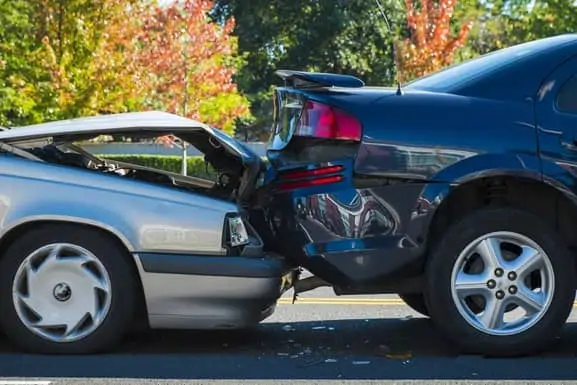
If you’ve been involved in a motor vehicle accident, it’s crucial to promptly seek medical attention. DO NOT BECOME A “GOOGLE” MEDICAL SPECIALIST!
Seek Medical Attention: Car accidents often result in injuries such as ‘whiplash’ with neck problems, head trauma, spinal and back issues, Failing to address these serious injuries properly can lead to long-term consequences. Regardless of the type of accident, whether it involves a truck, car, motorcycle, bus, or pedestrian, Dynamic Spine Center is here to assist you!
1. ‘Whiplash’: Whiplash is a common neck injury in car accidents, resulting from the abrupt jerking of the head which can harm the neck’s ligaments and muscles, and misalign cervical (neck) vertebrae. Consequently, whiplash can cause pain, stiffness, and limitations in neck mobility leading to other serious problems.
2. Neck and Back Injuries: Car accidents frequently lead to back and neck injuries, ranging from minor sprains and strains to more severe conditions like herniated discs. These injuries can result in pain, stiffness, and reduced range of motion in the affected areas.
3. Head Injuries: Head injuries represent one of the most severe consequences of car accidents, encompassing conditions like concussions and more severe brain injuries. Head injuries can manifest various symptoms, including headaches, dizziness, nausea, and fatigue.
Consider Chiropractic Treatment: If you’re grappling with pain or other symptoms resulting from your injuries, chiropractic care may offer relief. Chiropractors are trained to address musculoskeletal injuries and can provide alleviation for various common car accident injuries. If you’re interested in exploring chiropractic care, we suggest scheduling a consultation with Dr. Isidore.
Why Opt for Chiropractic Care? There are several compelling reasons to consider chiropractic care for your car accident injuries. Chiropractic treatment provides a safe, effective, and non-invasive option to alleviate pain and other symptoms without the need for medication or surgery. Moreover, chiropractic care is renowned for its capacity to restore range of motion and enhance functionality. Therefore, if you’re seeking an alternative to conventional medical care, chiropractic treatment could be the right choice.
Book an Appointment Today: If you’ve been in a car accident in St Lucia, and require treatment, we strongly encourage you to promptly schedule an appointment with us. At Dynamic Spine Center specializes in addressing injuries stemming from auto accidents; and can provide the necessary care and treatment for your recovery.
https://www.spine-health.com/video/whiplash-video
Whiplash: What is it?
Motor vehicle accidents can result in a number of very diverse and complex injuries and symptoms. This is due to the diversity of factors involved with the each MVA – i.e. vectors (angles, speed) of the collision, size of the vehicles involved in collision, pre-existing health conditions of victims, age of victims, size and strength of victims, etc.
The following list comprises the most commonly sustained injuries and symptoms following MVA’s:
- Whiplash
- Headaches
- Back Pain
- Head Injuries (Concussion) and Associated Symptoms
- Extremity Pain, Numbness, Tingling
- Factors Influencing Injury Tolerance
“Whiplash” is the most common injury sequelae following motor vehicle accidents. Speeds of as little as 5 mph have been documented to result in whiplash injuries. And although whiplash is prevalent in today’s society with hundreds of studies on the topic, it is not yet fully understood.
- What is whiplash?
The term “whiplash” was coined by Dr. Harold Crowe back in 1928. It is used to refer to:
- The hyperextension (backward)/hyperflexion (forward) injury of the neck, and
2. The resulting bodily symptoms of this injury – sustained from a motor vehicle accident.This forwards-flexion and/or backwards-extension of the neck essentially results in a soft tissue sprain/strain injury to the structures within the cervical and upper thoracic spinal regions. When the initial impact occurs and the head is forced in either excessive flexion or excessive extension, protective reflexes because the muscles of the neck to forcefully contract which “whips” the head back in the opposite direction. The resulting injury often leads to numerous symptoms, many of which are confusing and poorly understood. https://www.spine-health.com/video/whiplash-video
This loss of normal (C-shaped forward) cervical curvature is the result of the cervical acceleration/deceleration syndrome, and can be responsible for many positive orthopedic and neurological examination findings contributing to the patient’s symptomatology.
 X-rays cannot demonstrate microscopic tears nor show inflammation in the soft tissue (ligaments, tendons, muscle, cartilage, etc.) which is one of the leading causes of the pain and soreness that one experiences following motor vehicular accident trauma. X-rays are the most cost effective study to rule out ligament insufficiency, bone pathology and vertebral misalignment leading to abnormal musculoskeletal mechanics.
- The specific mechanics of a whiplash injury:
Whiplash is most commonly received from being struck from behind (hyperextension/hyperflexion mechanism), whether from something as light as a fender bender or from something as powerful as a football tackle. When the head is suddenly jerked back and forth beyond its normal limits, the muscles and ligaments supporting the spine can be over-stretched or torn. However, one can be struck from the from (hyperflexion/hyperextention mechanism) or from the side (T-bone mechanism). These mechanisms can also be complicated such as by the position of one’s neck during the impact and/or if one was aware of the impending impact (refer to ‘Risk Factors’ below).
In a rear end collision for example, whiplash can be divided into four basic phases:
- Phase 1– During Phase 1 the car is first pushed or accelerated forward within milliseconds. Your car is essentially pushed out from under you and your back loads the seat. High shearing forces develop within the neck and your spinal curves straighten and compress. High pressures develop within the brain and shearing forces on the brain stem.
- Phase 2– Upward rise of your neck as your head snaps into full extension (moving backwards) over the headrest and collapses it. This acts as a fulcrum and TMJ (temporomandibular joint, jaw) injury is possible with high compression within the joint and some of the muscles and ligaments are stretched or torn in the neck.
- Phase 3– The head begins it’s forward motion as the torso descends into the seat. Seat back bounce increases your velocity 30-70% greater than that of your car. Slack in the seat-belt shoulder harness begins to tighten. Your neck muscles, in a reflex action, contract to bring the head forward as they are thought to be in extension (phase 2), in an attempt to prevent excessive injury. But, because the head is already traveling in a forward direction as the car decelerates, there is overcompensation.
- Phase 4 – This violently rocks the head forward, overstretching more muscles and ligaments in the back of the neck. Full deceleration of the head, neck and torso is aggravated by the shoulder harness. High tension and shear forces in the spine can cause the soft ‘pulpy’ discs between the vertebrae to bulge, tear, or rupture. Vertebrae can be forced out of their normal position, reducing range of motion (Vertebral Subluxation). The brain stem, spinal cord and nerve roots get stretched, irritated, and choked. If the victim is not properly restrained, the occupant’s head may strike the steering wheel or windshield, causing a concussion.
- What symptoms are associated with whiplash?
- neck pain, tenderness, achyness and stiffness
- cervical muscle spasms
- tenderness and nodules in superficial cervical musculature
- cervical reduced range of motion
- post-traumatic headaches (including migraine and muscle-tension headaches)
- shoulder and interscapular pain
- hand and finger pain, numbness and tingling
- blurred vision
- difficulty swallowing/feeling of lump in throat
- dizziness and balance problems
- light headedness
- post-traumatic depression and cognitive problems
The following lists the % rate of symptom occurrence. If you experience any of these symptoms, play it safe and get a chiropractic checkup:
92% – Neck pain and/or stiffness 57% – Headache 56% – Fatigue 49% – Shoulder pain 44% – Anxiety 42% – Pain between the shoulder blades 39% – Low back pain 39% – Sleep disturbance 30% – Upper limb paraesthesia 29% – Sensitivity to noise | 26% – Difficulty concentrating 21% – Blurred vision 21% – Irritability 16% – Difficulty swallowing 15% – Dizziness 15% – Forgetfulness 12% – Upper limb pain 6% – Upper limb weakness 4% – Ringing in the ears +4% – Pain in the jaw or face |
- What structures are damaged in whiplash injuries?
Whiplash injuries can damage just a few structures or many, depending on the severity of the accident and direction of the injurious forces, to name a few. Some of the more common pain-sensitive structures that are damaged include:
- outer layers of the intervertebral discs
- intervertebral ligaments
- capsule of the facet joints
- anterior longitudinal ligament (runs down the front of the vertebral bodies-prevents excessive extension)
- posterior longitudinal ligament (runs down the back of the vertebral bodies-prevents excessive flexion)
- nerve root dura
- extensor spinal musculature
- flexor spinal musculature: the colli and scalene muscles
Damage to any of these structures results in tissue inflammation, tissue edema, microscopic hemorrhage, and the release of noxious chemicals such as histamine, prostaglandins, substance P, and kinins which further hypersensitize already painful and injured tissues.
5. Risk Factors:
The resulting instability of the spine and soft tissues are noteworthy and depend on several important factors:
- Rear direction impact.
- Limited range of motion; neurological symptoms after the crash.
- Ligamentous instability after the accident.
- Degenerative disease, headaches or neck injury or pain prior to the crash.
- Vehicle size. When both are equal, even an 8 mph collision produces two times the force of gravity or a 2-G acceleration of the car, and a 5-G acceleration of the head. This magnification of the force gives rise to the name, Whiplash.
- Headrest position. This can make an injury much worse if too low, and even at the right height, it must be close enough to catch the head in time (about 2 inches). A seat that is reclined too far will increase this distance, as will poor posture and driving habits if leaning forward. Some older vehicles (trucks, vans) do not have head restraints, adding insult to injury.
- The position of the head at impact. When turned to the side, for instance, it can only move about half as far as a straightforward position. Hence, all the G forces are localized to one side of the spine, substantially increasing the severity of injuries.
- Age plays an important role because as the body becomes older, ligaments become less pliable, muscles weaker and less flexible, and decreases in range of motion.
- Women and children seem to be injured more seriously than men. This is most notable due to the fact that they tend to have smaller necks. They may also be too close to the steering wheel, airbag and/or have improper fitting shoulder harnesses.
- Pre-existing health problems such as arthritis, lend to the severity of the injuries.
- The use of the seat-belt and shoulder harness.
- Non-awareness of the impact.
- Non-failure of the seat-back.
- How is whiplash treated?
The most important aspect of a successful treatment program involves active patient participation and patient compliance to the agreed upon program. When treatments focus solely on pain-relief and not tissue rehabilitation or when patients fail to comply with the prescribed treatment plan, the chronicity of problems becomes highly likely.
Early intervention with chiropractic treatment is one of the only proven effective forms of care in the treatment of acute and chronic whiplash related injuries. Through the use of carefully controlled pressures directed at specific spinal segments and various physical therapy modalities, combined with that of exercise and nutrition, whiplash sufferers have a better outcome. This is also known as ‘chiropractic rehabilitation’, and, is the unique domain of the chiropractic physician.
Studies have demonstrated that without early intervention of promoting proper movement within the fixated spinal joints, osteoarthritis of the spine and nerve root complications may be accelerated.
Whiplash associated disorders do not exclude children. In fact, children involved in automobile accidents are often neglected in these types of injuries when in actuality, they suffer from the same symptoms as adults and are at a greater risk for damages due to their underdeveloped musculo-skeletal structures. Adding fuel to the fire, a number of insurance companies object to paying for the care of children when the literature shows that they are at two-thirds the risk of adults.
The chiropractic approach to treating whiplash injuries is highly successful compared with other health care professionals because chiropractors focus on rehabilitating the injured tissues and restoring optimal function. This is reflected in the high patient satisfaction scores that chiropractors have received in “patient satisfaction surveys” performed on MVA patients.
Chiropractic care is a safe, natural, noninvasive, and addresses the cause of the symptoms. Our treatments also include active patient participation, and in some cases, lifestyle modifications. While we do focus on eliminating pain early on, we realize that in addition to pain – optimal tissue healing, restoration of normal function and prevention of future recurrences and re-injuries – are equally important.
Our treatments are highlighted by our use of many gentle and highly effective spinal adjustment techniques. When used properly, these techniques allow us to safely and effectively reduce pain levels, reduce muscles spasms, eliminate inflammation, restore normal joint motion and biomechanics, prevent or minimize degenerative processes, and, minimize the likelihood of future recurrences.
We also incorporate many natural and safe chiropractic spinal/joint adjustment techniques into our treatment plan to further assist in the healing process. Some common adjunctive therapies include physiotherapy such as: low-level laser therapy (LLLT); ice therapy (cryotherapy); heat therapy; therapeutic ultrasound; electronic muscle stimulation; cervical spinal decompression traction; soft tissue mobilization; spinal stretches and strengthening exercises; nutritional supplementation; ergonomic and lifestyle modification counseling.
7. How long do whiplash treatments take?
As with any other injury, there are a number of factors which influence the treatment length of whiplash injuries:
- the severity of the injury
- when treatment was initiated
- patient compliance to the treatment plan
- the nature of the accident
- the size and speed of your vehicle and other vehicles involved
- whether or not seat belts were worn
- whether you were aware of the impending accident
- the height of the head rest
- the age of the individual
- the size and strength of the cervical musculature
- the presence of preexisting spinal conditions
The easiest and most effective way of eliminating pain and preventing residual and chronic problems is to start care immediately following the accident. As you allow time to slip by without seeking appropriate treatment, your injuries become more permanent and far more difficult to manage.
8. Will I have future problems from my whiplash injury?
Numerous studies show that many whiplash victims have a relatively poor outcome without immediate and appropriate treatment. One such study found that 75% of patients with whiplash still suffer from symptoms 6 months after the accident. Experts agree that individuals with any degree of neck complaints following an auto accident dramatically improve their prognosis if they seek immediate evaluation and appropriate treatment within hours of the accident.
9. Interesting whiplash statistics:
- whiplash symptoms last more than 6 months in 75% of patients
- symptoms of whiplash commonly do not appear until weeks or months after the accident
- whiplash victims lose an average of 8 weeks of work
- whiplash is 5 times more common in women than in men
- whiplash occurs most commonly in those aged 30 to 50 years
- rear-end collisions typically cause more cervical spine (neck) damage than do frontal or side (T-bone) collisions.
Injuries to the neck (soft-tissue and bony) caused by a rapid movement of the head backward, forward, or side to side, is commonly referred to as “Whiplash” or in other words, a whiplash associated disorder (WAD). Whether a result of a car accident, slip/trip and fall, sport or work injury, whiplash or other neck injuries warrant a thorough chiropractic check-up. The biggest danger with these injuries is that the symptoms can ‘silently’ take days, months or years to develop. Too often people don’t seek treatment until more serious complications develop. Even after whiplash victims settle their insurance claims, between 39 report they still suffer with symptoms two years later.
In the past, a typical whiplash injury where no bones were broken, was hard to document. Soft tissue injuries do not show up on x-ray and insurance companies would deny coverage. Literally adding insult to injury, the patient suffering all too real pain was considered to be a fraud, a liar, or at best a hypochondriac. New imaging devices (CT Scans, Magnetic Resonance Imaging (MRI), Ultra-Sound) may now show soft tissue injury and now insurance companies cover most whiplash injuries.
When no bones are broken and the head doesn’t strike the windshield, typical symptoms are as follows: 92% complain of neck pain, which typically starts two hours up to two days after the accident. This is often the result of tightened muscles that react to either muscle tears or excessive movement of joints from ligament damage. The muscles tighten in an effort to splint and support the head, limiting the excessive movement.
About 57% of those suffering from whiplash complain of headaches. The pain may be on one side or both, on again off again or constant, in one spot or more generalized. These headaches, like the neck pain, are often the result of tightened, tensed muscles trying to keep the head stable and, like tension headaches, they are often felt behind the eyes.
Shoulder pain often described as pain radiating down the back of the neck into the shoulder blade area, may also be the result of tensed muscles, accounting for 49% of injuries caused by whiplash.
Muscle tears are often described as burning pain, prickling or tingling. More severe disc damage may cause sharp pain with certain movements, with or without radiation into the arms, hand and fingers, which are relieved by holding your hand over your head.
- Myths:
- Low speed rear impact crashes don’t cause injuries.
- Injuries heal in 6-12 weeks.
- Litigation has an effect on the patient’s recovery.
- The patient’s pre-injury psychological makeup affects recovery.
- Greater vehicle damage = greater occupant injury.
- Accident re-constructionists can predict injury potential.
- Crash Facts:
- In a series of recent human volunteer crash tests of low speed rear impact collisions, it was reported that the threshold for cervical spine soft tissue injury was 5 mph.
- Most injuries occur at speeds below 12 mph.
- The peak acceleration of the head is greater than the peak acceleration of the vehicle.
- A 5 mph “Delta V” crash typically produces about 10-12 g of acceleration of the occupant’s head.
- Other reports have shown that crashed cars can often withstand collision speeds of 10 mph or more without sustaining damage.
- Recent epidemiological studies have shown that most injury rear impact accidents occur at crash speeds of 6 mph to 12 mph–the majority at speeds below the threshold for property damage to the vehicle. A number of risk factors in rear impact accident injury have now been verified including: rear (vs. other vector) impact, loss of cervical lordotic (C-shaped forward) curve, pre-existing degenerative changes, the use of seat belts and shoulder harness, poor head restraint geometry, non-awareness of the impending collision, female gender, and head rotation at impact.
- The notion of litigation neurosis has been rather definitively dispelled.
- Once thought to suggest minimal injury, a delay in onset of symptoms has been shown to be the norm, rather than the exception.
- Mild traumatic brain injury can result from whiplash trauma. Often the symptoms are referred as the post concussion syndrome. This condition, often maligned in the past, has now been well-validated in recent medical literature.
- A recent outcome study of whiplash patients reported in the European Spine Journal found that between one and two years post injury, 22% of patients’ conditions deteriorated. This second wave of symptoms has been observed by others as well.
- Radanov et al. followed whiplash patients through time and reported that 45% remained symptomatic at 12 weeks, and 25% were symptomatic at 6 months. Other researchers have reported time to recovery in the most minor of cases at 8 weeks; time to stabilization in the more severe cases at 17 weeks; and time to plateau in the most severe categories as 20.5 weeks. Thus, the notion that whiplash injuries heal in 6-12 weeks is challenged. (Incidentally, there never has been any real support for this common myth.)
- Each year, 1.99 million Americans are injured in whiplash accidents.
- Of the 31 important whiplash outcome studies published since 1956 (19 published since 1990 pooling patients from all vectors of collision (I. e., rear, frontal, and side impacts), a mean of 40% still symptomatic is found. For rear impact only, a mean of 59% remain symptomatic at long-term follow-up.
- Although estimates vary, about 10% of all whiplash victims become disabled.
- The Quebec Task Force on Whiplash-Associated Disorders has been criticized on the basis of potential bias, study design, the use of ambiguous and misleading terminology, and for developing conclusions that are not supported by the literature.
- The chiropractic profession has developed its own guidelines for management of whiplash patients.
- Most injuries don’t show on x-rays.
Tab Content
Tab Content
Chiropractic Care for Whiplash: Could It Help Your Neck Pain?
Neck pain and stiffness after a motor vehicle accident or fall could be signs of whiplash, an injury that affects the soft tissues in the neck. Without prompt treatment, symptoms could last weeks, months, or even years. Fortunately, your chiropractor offers several treatments designed to improve whiplash pain.
What Causes Whiplash?
Whiplash happens during a motor vehicle accident when your head jerks back and forth. Any act that causes your head to “whip” back and forth violently can result in whiplash. You could develop whiplash if you ride a roller coaster, fall when skiing, or if you are tackled or fall when playing sports.
As your head moves back and forth, several things happen to your neck. First, muscles in your neck become strained as they’re pushed past their limits. The sudden movements may also change the alignment of the vertebrae in your neck and back, in addition to straining ligaments that connect bones together and tendons that attach muscles to bones.
Whiplash is a common injury. According to an analysis of crash and hospital data in Accident Analysis and Prevention in 2020, more than 1.2 million people experience whiplash every year.
What Are the Symptoms of Whiplash?
Whiplash symptoms don’t always start immediately, but may start hours or days after your injury. Symptoms may include:
- Neck Pain
- Shoulder and Upper Back Pain
- Headache
- Stiff Neck
- Reduced Range of Motion in Your Neck
- Dizziness
- Numbness or Tingling That Travels to the Shoulder, Arm or Hand
- Blurred Vision
- Ringing in the Ears
- Abnormal Fatigue
- Difficulty Concentrating
- Irritability
- Trouble Sleeping
Chiropractic Treatments Ease Whiplash Symptoms
Your chiropractor offers natural, drug-free methods that soothe sore tissues and realign the vertebrae in your neck. Therapies that might be included in your whiplash treatment plan include:
- Soft Tissue Mobilization. Your muscles tighten in an attempt to protect your joints, vertebrae, ligaments, and tendons when an injury happens. Unfortunately, the muscles don’t always relax on their own, which can lead to pain and stiffness. During soft tissue mobilization, your chiropractor uses his or her hands to gently stretch and loosen the muscles and soft tissues. As the treatment progresses, your doctor varies the pressure and the length of the strokes depending on the resistance encountered. In addition to relieving muscle tension and improving range of motion, soft tissue mobilization reduces muscle spasms and breaks up scar tissue. Although scar tissue is essential for injury repair, it may cause or worsen pain and stiffness.
- Spinal Adjustment. Adjustment repositions misaligned vertebrae in your neck and back. In addition to causing neck pain, subluxations pull on muscles and soft tissues, increasing muscle tension and soreness. Correcting the misalignment loosens soft tissues and decreases painful pressure on nerves. Your chiropractor uses his or her hands or an activator to quickly realign the vertebrae during spinal Adjustment. The treatment decreases pain, improves range of motion, and may reduce the production of proteins involved in inflammation.
- Massage. Massage may also be part of your treatment plan. The therapy improves circulation to your neck and decreases pain by relaxing tight tissues. As your chiropractor massages painful tissues, your body increases its production of endorphins, serotonin, and oxytocin.
- Other Therapies. Ultrasound therapy may be used to decrease inflammation and ease pain and stiffness. EMS reduce muscle spasm. Cold laser promote deep tissue healing. The Graston Technique, a type of instrument-assisted therapy, breaks apart scar tissue and loosens tight muscles and soft tissues. If your pain is due to a bulging spinal disc, your chiropractor may use flexion-distraction to reduce pressure on your nerves.
Are you struggling with whiplash pain? Chiropractic care could help you get back to normal. Call our office to schedule your appointment.
Sources:
SpineUniverse: Best Practice Guidelines for Chiropractic Care of Neck Pain and Whiplash Disorders, 2/6/20
SPINE-Health: Whiplash Symptoms and Associated Disorders, 4/18/2017
https://www.spine-health.com/conditions/neck-pain/whiplash-symptoms-and-associated-disorders
Science Direct: Accident Analysis & Prevention: Estimating the Number of Crash-Related Cervical Spine Injuries in the United States; an Analysis and Comparison of National Crash and Hospital Date, 7/2020
https://www.sciencedirect.com/science/article/pii/S0001457520300713
Mayo Clinic: Whiplash, 2/11/2022
https://www.mayoclinic.org/diseases-conditions/whiplash/symptoms-causes/syc-20378921
Fault Determination in Accident Scenarios
Perhaps the most confusing thing for any driver after a car accident is how fault is determined. Although some situations are obvious even to the drivers involved, often drivers are not sure who is at fault. Fault determination rules are used to ensure that every accident is judged in the same way and against the same rules. This means that every accident that occurs as a result of the same actions by a driver will have the same fault outcome. Click here for further information on fault determination regarding roadway accidents.
Common Auto Accident Scenarios
These common accident scenarios will all have the same outcome based on the fault determination rules. Outside influences such as weather have no bearing on how these rules are applied, so slipping on the ice or poor visibility do not change who is found at fault.
- Common Scenario: Lane Change and Merging Accidents
These accidents happen in a variety of ways including when someone changes lanes and misjudges the space, striking another car, when a driver enters a roadway from a yield or controlled access ramp and strikes another car, or merges as their lane ends and causes an accident.
Who is At Fault: The driver who is entering a lane of moving traffic and strikes another car is always at fault in these scenarios. If you are traveling forward in your lane and another car enters that lane and strikes your car, you will not carry any fault. This is true regardless of what caused that driver to strike your car.
- Common Scenario: Multiple Car Rear-End Collision
An accident in which one car is struck from behind by another as they are all traveling, and that car is pushed into the car in front is a fairly common occurrence, especially in the winter when roads are slick. These accidents can involve three or more cars in a chain reaction. Many drivers believe that if their vehicle was struck, thus causing them to strike another vehicle, that they hold no fault.
Who Is At Fault: In this scenario, the majority of the fault falls on the first driver who started the domino effect of the accident. However, every other driver who struck the car in front of them will also hold some fault in the accident. In a three-car pileup where all three vehicles were in motion at the time of the accident, the driver at the rear may be held 100% at fault by his or her insurance company. In the second collision, the car that struck the lead car may hold 50% of the fault. There are two separate fault determinations made, for the two collisions. It’s important to note that if the two front cars are stopped at the time of impact, only the rear car will face fault. In all cases the car at the front of the line has no fault in the accident.
- Common Scenario: The Sideswipe
A sideswipe can happen in a wide variety of ways, which is why it is one of those accidents for which people have a lot of confusion when it comes to fault determination. If you sideswipe another vehicle, fault is determined by where the vehicles were and how they were traveling in relation to the painted lines on the road.
Who Is At Fault: Any time you sideswipe a car that is legally parked, you are at fault. If you cross a center line or a lane-division line and sideswipe another car travelling legally within their lane, you are at fault. If two cars sideswipe each other when both have crossed the painted line, they will share the fault in the accident.
One of the simplest ways to understand fault determination is to consider what rules or regulations may have been broken that were a cause of the accident occurring. When someone fails to properly check before changing lanes or merging, or is following too close and thus rear-ends another car, or drifts over the center line, that person has made an error in judgment and driving ability that resulted in an accident; that person is thus at fault. This logic applies to most accidents. It’s also important to remember that fault can be shared – it’s not always a cut and dried 100% to 0% situation.
- Common Scenario: Parking Lot Collisions
Just like an accident on the road, parking lot accidents vary greatly as to who will be found at fault. There are a number of factors that can go into who is at fault when an accident takes place in a parking lot, and many drivers find the rules confusing. Just like on the street, parking lots have right-of-way rules, but by their nature the accidents that happen there tend to be a little different.
Click here for further information on fault determination regarding parking lot accidents.
Source: www.insurancehotline.com
** If you are at fault or not, you are eligible for MVA (Motor Vehicle Accident) rehabilitation services such as:chiropractic treatment; physiotherapy; stretching and strengthening exercises; cervical spinal decompression traction; low-level laser therapy (LLLT); acupuncture; RMT (registered massage therapy); foot orthotics; x-rays; specialist assessments; personal injury compensation and other benefits from your automobile insurance company and extended health care plans.
We will gladly accept transfer of your rehabilitation case and treatment program to us if you are not satisfied with the facility that you are presently attending.