Benefits
-
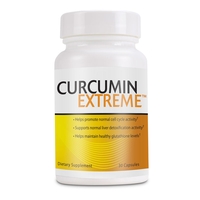
Aids in supplying the biochemical spark that creates cellular energy
-
Facilitates generation of about 95 percent of the total energy required by the body
-
Facilitates respiratory energy production in heart cells
-
Helps maintain normal blood pressure
-
Promotes cell energy production
-
Assists in the production of body heat
-
Helps promote normal effective weight loss
-
Helps enhance exercise performance
-
Enhances the immune system
-
Promotes an improved resting heart function
-
Helps promote periodontal health
-
Helps maintain healthy blood sugar levels
-
Helps maintain cholesterol concentrations in the body
-
Aids in preserving vitamin E levels in cell membranes
-
Aids in neutralizing free radicals generated in the energy-making process
-
Helps protect the reliability of the mitochondrial membrane
-
Helps to enhance mental alertness and promotes normal brain activity
* These statements have not been evaluated by the Food and Drug Administration.
This product(s) is not intended to diagnose, treat, cure or prevent any disease
Ingredients
Coenzyme Q10
Coenzyme Q10 belongs to a family of substances called ubiquinones and is a water-insoluble, wax-like substance, that is part of the respiratory chain. Since it is a coenzyme, it is necessary to support the action of an enzyme, and it has a similar structure to vitamin K. CoQ10 is found in each of the 50-75 trillion cells throughout the body, except for mature red blood cells. It has a multitude of therapeutic benefits at the cellular level, in the cardiovascular system, and with the body’s metabolism. It serves to revitalize and energize the body’s cells and immune system and contributes to increases in stamina and endurance by fueling the body’s energy production (ATP) cycle. It is beneficial to the cardiovascular system because it helps to protect the heart, maintain normal blood pressure, and also enhances mental alertness and brain activity for those with hypertension. CoQ10 can boost weight loss by speeding the body’s metabolism of fat, and it also can support periodontal health.+*9
Coenzyme Q10 is a two-part compound that is composed of a long, fat-soluble isoprenoid tail that anchors the molecule in the inner membrane of the mitochondria, and a quinine that is capable of accepting and transferring electrons through a portion of the respiratory chain. The “Q” stands for quinine and the “10” stands for the number of isoprenoid units in the tail portion of the molecule. It is synthesized in the cells, and is involved in electron transport and energy production in mitochondria. In the cellular system, it functions to generate energy from oxygen, in the form of ATP, for bodily processes. It serves as a free radical scavenger and an antioxidant. The antioxidant activity in the mitochondria and cell membranes protects against peroxidation of lipid membranes. Combining CoQ10 with vitamin E generates a synergistic antioxidant effect on lipoprotein and spares the vitamin E.
Coenzyme Q10 can be found in spinach, broccoli, nuts, soy, organ and muscle meats, and fish. In 1977, a Japanese company succeeded in synthesizing coenzyme Q10, which made the nutrient available to the world. The recommended daily serving is 30 mg per day. CoQ10 is absorbed in the small intestine and a stead-state concentration can be attained in the body in five to six weeks. In the body, it is found in the highest concentration in the cells of the heart, liver, kidney and pancreas. The liver produces small amounts of CoQ10, and then it is distributed to the rest of the body.
Supplementation of CoQ10 is beneficial to adults, because the levels in the body tend to peak around the age of 20, and then decline with age. Strenuous exercise reduces blood levels of CoQ10, and supplementation with 60 mg per day can improve athletic performance. Supplementation may also help many overweight individuals because it has been shown that they usually have low levels of coenzyme Q10, and it may help them to maintain a normal body weight through enhanced metabolism of fat.
Vitamin E
Since vitamin E is one of the most powerful fat-soluble antioxidants in the body, it helps protect cell membranes from the damage caused by free radicals. High doses of vitamin E have been found to promote cardiovascular health. Vegetable oils, margarine, nuts, seeds, avocados, wheat germ and safflower oil are all good food sources of vitamin E. Those individuals who are watching their fat consumption are likely to have a low intake of vitamin E.Vitamin E is linked to cardiovascular health, enhancement of immune system function and wound healing.
Vitamin E is a family of related compounds known as tocopherols and tocotrienols. The most common form of the vitamin is alpha-tocopherol, which is found in dietary supplements. However, it also exists with a slightly different chemical structure as beta-, gamma- and delta-tocotrienols. The vitamin can be obtained as a supplement in a natural or synthetic form, but the natural form is far more superior in terms of retention in the body and absorption.
* These statements have not been evaluated by the Food and Drug Administration.
This product(s) is not intended to diagnose, treat, cure or prevent any disease.
Science
- Kagan, V, et al. Coenzyme Q: Its role in scavenging and generation of radicals in membranes. In Handbook of Antioxidants, eds. Enrique Cadenas and Lester Packer, New York, Marcel Dekker, Inc., 1996, pp. 157-201.
- Littarru, G.P. et al. Clinical aspects of coenzyme Q: Improvement of cellular bioenergetics or antioxidant protection? In Handbook of Antioxidants, eds. E. Cadenas and L. Packer: New York, Marcel Dekker, Inc., 1996, pp. 203-239.
- Greenberg, S. and Frishman, W.H. Coenzyme Q10: A new drug for cardiovascular disease. Journal of Clinical Pharmacology 30: 596-608, 1990.
- Chello, M, et al. Protection of coenzyme Q10 from myocardial reperfusion injury during coronary artery bypass grafting. Annals of Thoracic Surgery 58: 1427-1432, 1994.
- Lansjoen, P.H. et al. Response of patients in classes III and IV of cardiomyopathy to therapy in a blind crossover trial with coenzyme Q10. Proceedings of the National Academy of Sciences USA 82: 4240, 1985.
- Stryer, L. Biochemistry, 2nd ed. New York, W.H. Freeman and Company, 1981.
- Firstein, R. The Nutraceutical Revolution. New York, Riverhead Books, 1998.
- Frei, B, et al. Ubiquinol-10 is an effective lipid-soluble antioxidant at physiological concentrations. Proceedings of the National Academy of Sciences USA 87: 4879-4883, 1990.
- Hanaki, Y. et al. Ratio of low-density lipoprotein cholesterol to ubiquinone as a coronary risk factor: New England Journal of Medicine, 325: 814-815, 1991.
- Singh R.B. and Singh M.M. Effects of coenzyme Q10 in new indications with antioxidant vitamin deficiency. Journal of Nutritional and Environmental Medicine 9: 223-228, 1999.
- Greenburg S. and Frishman W. Coenzyme Q10: A new drug from myocardial ischemia? Medical Clinics of North America 72: 243-58, 1998.
- Langsjoen, P.H. et al. Pronounced increase of survival of patients with cardiomyopathy when treated with coenzyme Q10 and conventional therapy. International Journal of Tissue Reactions 12: 163-168, 1990.
- Digiesi, V. et al. Mechanism of action of coenzyme Q10 in essential hypertension. Current Therapy and Research 51: 668-672, 1992.
- Sunamori, M. et al. Clinical experience of coenzyme Q10 to enhance intraoperative myocardial protection in coronary artery revascularization. Cardiovascular Drugs and Therapy 5: 297-300, 1991.
- Langsjoen, P.H. et al. A six-year clinical study of therapy of cardiomyopathy with coenzyme Q10. International Journal of Tissue Reactions 12: 169-71, 199.
- Stocker, R. et al. Ubiquinol-10 protects human low density lipoprotein more efficiently against lipid peroxidation than does alpha-tocopherol. Proceedings of the National Academy of Sciences USA 88: 1646-1650, 1991.
- Shi, H. and Noguchi, N. Dynamics of antioxidant action of ubiquinol: A reappraisal. Biofactors 9: 141-148, 1999.
- Folkers, K. et al. Effect of coenzyme Q10 on serum levels of creatine phosphokinase in preclinical muscular dystrophy. Proceedings of the National Academy of Sciences USA 71: 2098, 1974.
- Folkers, K. et al. Biochemical rationale and the cardiac response of patients with muscle disease to therapy with coenzyme Q10. Proceedings of the National Academy of Sciences USA 82: 4513, 1985.
- Chen Y.F., Lin Y.T. and Wu S.C. Effectiveness of coenzyme Q10 on myocardial preservation during hypothermic cardioplegic arrest. Journal of Thoracic and Cardiovascular Surgery 107: 242-247, 1994.
- Murray, M.T. Encyclopedia of Natural Medicine, Rocklin, CA, Prima Publishing, 1998.
- Folkers, K et al. The activities of coenzyme and vitamin B6 for immune responses. Biochemical and Biophysical Research Communications 193: 88-92, 1993.
- Folkers, K et al. Coenzyme Q10 increases T4/T8 ratios of lymphocytes in ordinary subjects and relevance to patients having the AIDS-related complex. Biochemical and Biophysical Research Communications 176: 25.
- Lockwood, K. et al. Partial and complete regression of breast cancer in patients in relation to dosage of Coenzyme Q10. Biomedical and Biophysical Research Communications 199: 1504-1508, 1994.
- Nakamura, R. et al. Study of Co Q10-enzymes in gingival tissues from patients with periodontal disease and evidence for a deficiency of coenzyme Q10. Proceedings of the National Academy of Sciences USA 71: 1456, 1974.
- Littarru, G.P. et al. Deficiency of coenzyme Q10 in gingival tissue from patients with periodontal disease. Proceedings of National Academy of Sciences USA 68: 2332, 1971.
* These statements have not been evaluated by the Food and Drug Administration.
This product(s) is not intended to diagnose, treat, cure or prevent any disease.
Uniqueness
Coenzyme Q10 is a nutrient that plays a vital role in health maintenance. It contributes to a healthy cardiovascular system, periodontal health, maintenance of normal blood sugar levels, maintenance of cholesterol and triglyceride concentrations, sustaining vitamin E levels in cell membranes, energizing the immune system and proper weight maintenance.
A person’s heart beats, on average, 100 thousand times each day, which adds up to about 36 million times per year. CoQ10 is the vital nutrient that promotes the production of energy at the cellular level that powers the heart, the body’s energy production cycle, and acts as a powerful antioxidant when combined with vitamin E. Within a cell it serves as a carrier of electrons in the electron transport chain, neutralizes free radicals, and helps protect the integrity of the mitochondrial membrane.
As individuals age, the ability to synthesize coenzyme Q10 begins to decline. Sometimes this is due to poor eating habits, stress or infections, but the main challenge for most people is the ability to choose the right foods containing CoQ10 as well as the other nutrients needed to manufacture it in the body. It is a combination of both that provides the body with the best possible amount of CoQ10 for optimal health.
* These statements have not been evaluated by the Food and Drug Administration.
This product(s) is not intended to diagnose, treat, cure or prevent any disease.
FAQs
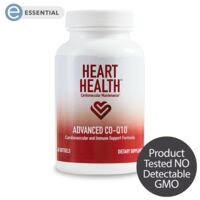
What type of vitamin E is in Advance Coenzyme Q10?
The natural form of vitamin E, d-Alpha-Tocopherol, is in Advance Coenzyme Q10. It is far more superior than synthetic in terms of retention in the body and absorption.
If my body makes CoQ10, why should I take a supplement?
When you are young, your body can produce adequate levels of CoQ10. But as you get older, your cells do not produce enough of the energy they need to function well. Supplementation of CoQ10 has been shown to raise blood levels of this co-enzyme when the body’s ability to synthesize it begins to decrease.
What is the recommended serving size of Coenzyme Q10?
Coenzyme Q10 has been used in maintenance doses of 30-60 mg while therapeutic doses have gone up to 100 mg or more.
Is there a certain time I should take CoQ10?
Coenzyme Q10 should be taken with a meal containing some fat. However, taking it in combination with soy or vegetable oil substantially enhances it absorption.
Is it okay to take a CoQ10 supplement while pregnant?
No. The safety of coenzyme Q10 has not been established in pregnancy and lactation.
Is it safe to take CoQ10?
Yes, it is safe to take CoQ10. It is safe and has not produced any toxic side effects when ingested by humans or animals. It is listed in the 42nd edition of the Physicians Desk Reference as replacement therapy for a nutrient, and no adverse reactions are listed.
* These statements have not been evaluated by the Food and Drug Administration.
This product(s) is not intended to diagnose, treat, cure or prevent any disease.
View all
- Aids in supplying the biochemical spark that creates cellular energy
- Facilitates generation of about 95 percent of the total energy required by the body
- Facilitates respiratory energy production in heart cells
- Helps maintain normal blood pressure
- Promotes cell energy production
- Assists in the production of body heat
- Helps promote normal effective weight loss
- Helps enhance exercise performance
- Enhances the immune system
- Promotes an improved resting heart function
- Helps promote periodontal health
- Helps maintain healthy blood sugar levels
- Helps maintain cholesterol concentrations in the body
- Aids in preserving vitamin E levels in cell membranes
- Aids in neutralizing free radicals generated in the energy-making process
- Helps protect the reliability of the mitochondrial membrane
- Helps to enhance mental alertness and promotes normal brain activity
Coenzyme Q10
Coenzyme Q10 belongs to a family of substances called ubiquinones and is a water-insoluble, wax-like substance, that is part of the respiratory chain. Since it is a coenzyme, it is necessary to support the action of an enzyme, and it has a similar structure to vitamin K. CoQ10 is found in each of the 50-75 trillion cells throughout the body, except for mature red blood cells. It has a multitude of therapeutic benefits at the cellular level, in the cardiovascular system, and with the body’s metabolism. It serves to revitalize and energize the body’s cells and immune system and contributes to increases in stamina and endurance by fueling the body’s energy production (ATP) cycle. It is beneficial to the cardiovascular system because it helps to protect the heart, maintain normal blood pressure, and also enhances mental alertness and brain activity for those with hypertension. CoQ10 can boost weight loss by speeding the body’s metabolism of fat, and it also can support periodontal health.+*9
Coenzyme Q10 is a two-part compound that is composed of a long, fat-soluble isoprenoid tail that anchors the molecule in the inner membrane of the mitochondria, and a quinine that is capable of accepting and transferring electrons through a portion of the respiratory chain. The “Q” stands for quinine and the “10” stands for the number of isoprenoid units in the tail portion of the molecule. It is synthesized in the cells, and is involved in electron transport and energy production in mitochondria. In the cellular system, it functions to generate energy from oxygen, in the form of ATP, for bodily processes. It serves as a free radical scavenger and an antioxidant. The antioxidant activity in the mitochondria and cell membranes protects against peroxidation of lipid membranes. Combining CoQ10 with vitamin E generates a synergistic antioxidant effect on lipoprotein and spares the vitamin E.
Coenzyme Q10 can be found in spinach, broccoli, nuts, soy, organ and muscle meats, and fish. In 1977, a Japanese company succeeded in synthesizing coenzyme Q10, which made the nutrient available to the world. The recommended daily serving is 30 mg per day. CoQ10 is absorbed in the small intestine and a stead-state concentration can be attained in the body in five to six weeks. In the body, it is found in the highest concentration in the cells of the heart, liver, kidney and pancreas. The liver produces small amounts of CoQ10, and then it is distributed to the rest of the body.
Supplementation of CoQ10 is beneficial to adults, because the levels in the body tend to peak around the age of 20, and then decline with age. Strenuous exercise reduces blood levels of CoQ10, and supplementation with 60 mg per day can improve athletic performance. Supplementation may also help many overweight individuals because it has been shown that they usually have low levels of coenzyme Q10, and it may help them to maintain a normal body weight through enhanced metabolism of fat.
Vitamin E
Since vitamin E is one of the most powerful fat-soluble antioxidants in the body, it helps protect cell membranes from the damage caused by free radicals. High doses of vitamin E have been found to promote cardiovascular health. Vegetable oils, margarine, nuts, seeds, avocados, wheat germ and safflower oil are all good food sources of vitamin E. Those individuals who are watching their fat consumption are likely to have a low intake of vitamin E.Vitamin E is linked to cardiovascular health, enhancement of immune system function and wound healing.
Vitamin E is a family of related compounds known as tocopherols and tocotrienols. The most common form of the vitamin is alpha-tocopherol, which is found in dietary supplements. However, it also exists with a slightly different chemical structure as beta-, gamma- and delta-tocotrienols. The vitamin can be obtained as a supplement in a natural or synthetic form, but the natural form is far more superior in terms of retention in the body and absorption.
- Kagan, V, et al. Coenzyme Q: Its role in scavenging and generation of radicals in membranes. In Handbook of Antioxidants, eds. Enrique Cadenas and Lester Packer, New York, Marcel Dekker, Inc., 1996, pp. 157-201.
- Littarru, G.P. et al. Clinical aspects of coenzyme Q: Improvement of cellular bioenergetics or antioxidant protection? In Handbook of Antioxidants, eds. E. Cadenas and L. Packer: New York, Marcel Dekker, Inc., 1996, pp. 203-239.
- Greenberg, S. and Frishman, W.H. Coenzyme Q10: A new drug for cardiovascular disease. Journal of Clinical Pharmacology 30: 596-608, 1990.
- Chello, M, et al. Protection of coenzyme Q10 from myocardial reperfusion injury during coronary artery bypass grafting. Annals of Thoracic Surgery 58: 1427-1432, 1994.
- Lansjoen, P.H. et al. Response of patients in classes III and IV of cardiomyopathy to therapy in a blind crossover trial with coenzyme Q10. Proceedings of the National Academy of Sciences USA 82: 4240, 1985.
- Stryer, L. Biochemistry, 2nd ed. New York, W.H. Freeman and Company, 1981.
- Firstein, R. The Nutraceutical Revolution. New York, Riverhead Books, 1998.
- Frei, B, et al. Ubiquinol-10 is an effective lipid-soluble antioxidant at physiological concentrations. Proceedings of the National Academy of Sciences USA 87: 4879-4883, 1990.
- Hanaki, Y. et al. Ratio of low-density lipoprotein cholesterol to ubiquinone as a coronary risk factor: New England Journal of Medicine, 325: 814-815, 1991.
- Singh R.B. and Singh M.M. Effects of coenzyme Q10 in new indications with antioxidant vitamin deficiency. Journal of Nutritional and Environmental Medicine 9: 223-228, 1999.
- Greenburg S. and Frishman W. Coenzyme Q10: A new drug from myocardial ischemia? Medical Clinics of North America 72: 243-58, 1998.
- Langsjoen, P.H. et al. Pronounced increase of survival of patients with cardiomyopathy when treated with coenzyme Q10 and conventional therapy. International Journal of Tissue Reactions 12: 163-168, 1990.
- Digiesi, V. et al. Mechanism of action of coenzyme Q10 in essential hypertension. Current Therapy and Research 51: 668-672, 1992.
- Sunamori, M. et al. Clinical experience of coenzyme Q10 to enhance intraoperative myocardial protection in coronary artery revascularization. Cardiovascular Drugs and Therapy 5: 297-300, 1991.
- Langsjoen, P.H. et al. A six-year clinical study of therapy of cardiomyopathy with coenzyme Q10. International Journal of Tissue Reactions 12: 169-71, 199.
- Stocker, R. et al. Ubiquinol-10 protects human low density lipoprotein more efficiently against lipid peroxidation than does alpha-tocopherol. Proceedings of the National Academy of Sciences USA 88: 1646-1650, 1991.
- Shi, H. and Noguchi, N. Dynamics of antioxidant action of ubiquinol: A reappraisal. Biofactors 9: 141-148, 1999.
- Folkers, K. et al. Effect of coenzyme Q10 on serum levels of creatine phosphokinase in preclinical muscular dystrophy. Proceedings of the National Academy of Sciences USA 71: 2098, 1974.
- Folkers, K. et al. Biochemical rationale and the cardiac response of patients with muscle disease to therapy with coenzyme Q10. Proceedings of the National Academy of Sciences USA 82: 4513, 1985.
- Chen Y.F., Lin Y.T. and Wu S.C. Effectiveness of coenzyme Q10 on myocardial preservation during hypothermic cardioplegic arrest. Journal of Thoracic and Cardiovascular Surgery 107: 242-247, 1994.
- Murray, M.T. Encyclopedia of Natural Medicine, Rocklin, CA, Prima Publishing, 1998.
- Folkers, K et al. The activities of coenzyme and vitamin B6 for immune responses. Biochemical and Biophysical Research Communications 193: 88-92, 1993.
- Folkers, K et al. Coenzyme Q10 increases T4/T8 ratios of lymphocytes in ordinary subjects and relevance to patients having the AIDS-related complex. Biochemical and Biophysical Research Communications 176: 25.
- Lockwood, K. et al. Partial and complete regression of breast cancer in patients in relation to dosage of Coenzyme Q10. Biomedical and Biophysical Research Communications 199: 1504-1508, 1994.
- Nakamura, R. et al. Study of Co Q10-enzymes in gingival tissues from patients with periodontal disease and evidence for a deficiency of coenzyme Q10. Proceedings of the National Academy of Sciences USA 71: 1456, 1974.
- Littarru, G.P. et al. Deficiency of coenzyme Q10 in gingival tissue from patients with periodontal disease. Proceedings of National Academy of Sciences USA 68: 2332, 1971.
Coenzyme Q10 is a nutrient that plays a vital role in health maintenance. It contributes to a healthy cardiovascular system, periodontal health, maintenance of normal blood sugar levels, maintenance of cholesterol and triglyceride concentrations, sustaining vitamin E levels in cell membranes, energizing the immune system and proper weight maintenance.
A person’s heart beats, on average, 100 thousand times each day, which adds up to about 36 million times per year. CoQ10 is the vital nutrient that promotes the production of energy at the cellular level that powers the heart, the body’s energy production cycle, and acts as a powerful antioxidant when combined with vitamin E. Within a cell it serves as a carrier of electrons in the electron transport chain, neutralizes free radicals, and helps protect the integrity of the mitochondrial membrane.
As individuals age, the ability to synthesize coenzyme Q10 begins to decline. Sometimes this is due to poor eating habits, stress or infections, but the main challenge for most people is the ability to choose the right foods containing CoQ10 as well as the other nutrients needed to manufacture it in the body. It is a combination of both that provides the body with the best possible amount of CoQ10 for optimal health.
What type of vitamin E is in Advance Coenzyme Q10?
The natural form of vitamin E, d-Alpha-Tocopherol, is in Advance Coenzyme Q10. It is far more superior than synthetic in terms of retention in the body and absorption.
If my body makes CoQ10, why should I take a supplement?
When you are young, your body can produce adequate levels of CoQ10. But as you get older, your cells do not produce enough of the energy they need to function well. Supplementation of CoQ10 has been shown to raise blood levels of this co-enzyme when the body’s ability to synthesize it begins to decrease.
What is the recommended serving size of Coenzyme Q10?
Coenzyme Q10 has been used in maintenance doses of 30-60 mg while therapeutic doses have gone up to 100 mg or more.
Is there a certain time I should take CoQ10?
Coenzyme Q10 should be taken with a meal containing some fat. However, taking it in combination with soy or vegetable oil substantially enhances it absorption.
Is it okay to take a CoQ10 supplement while pregnant?
No. The safety of coenzyme Q10 has not been established in pregnancy and lactation.
Is it safe to take CoQ10?
Yes, it is safe to take CoQ10. It is safe and has not produced any toxic side effects when ingested by humans or animals. It is listed in the 42nd edition of the Physicians Desk Reference as replacement therapy for a nutrient, and no adverse reactions are listed.
* These statements have not been evaluated by the Food and Drug Administration.
This product(s) is not intended to diagnose, treat, cure or prevent any disease.





Reviews
There are no reviews yet.