Benefits
- Supports cardiovascular health
* These statements have not been evaluated by the Food and Drug Administration.
This product(s) is not intended to diagnose, treat, cure or prevent any disease.




* These statements have not been evaluated by the Food and Drug Administration.
This product(s) is not intended to diagnose, treat, cure or prevent any disease.
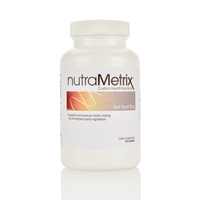
Red Yeast Rice 980 mg
Red yeast rice is the natural product of rice fermented with Monascus purpureus yeast. It naturally contains substances called phytosterols, beta-sitosterol, campesterol and isoflavones.
Coenzyme Q10 30 mg
Coenzyme Q10 belongs to a family of substances called ubiquinones and is a water-insoluble, wax-like substance that is part of the respiratory chain. CoQ10 is found in each of the 50-75 trillion cells throughout the body, except for mature red blood cells. It promotes health at the cellular level, in the cardiovascular system, and the body’s metabolism. It serves to revitalize and energize the body’s cells, supports the immune system and contributes to healthy stamina and endurance by fueling the body’s energy production (ATP) cycle. It supports cardiovascular health by promoting a healthy heart, helping to maintain normal blood pressure. Coenzyme Q10 can be found in spinach, broccoli, nuts, soy, organ and muscle meats, and fish. In the body, it is found in the highest concentration in the cells of the heart, liver, kidney and pancreas. The liver produces small amounts of CoQ10, and then it is distributed to the rest of the body. Coenzyme production within the body involves the same enzymes as cholesterol synthesis. Red Yeast Rice may interfere with the body’s production of coenzyme Q10. For this reason, supplementation is recommended with red yeast rice so the body’s levels of CoQ10 are not affected.*
* These statements have not been evaluated by the Food and Drug Administration.
This product(s) is not intended to diagnose, treat, cure or prevent any disease.
* These statements have not been evaluated by the Food and Drug Administration.
This product(s) is not intended to diagnose, treat, cure or prevent any disease.
In traditional Chinese culture, red yeast rice was believed to promote various areas of health. The production of nutraMetrix Red Yeast Rice adheres to only the highest standards of Good Manufacturing Practices (GMPs). This stringent standardization in processing, packaging, testing and quality control ensures quality and reliability.
* These statements have not been evaluated by the Food and Drug Administration.
This product(s) is not intended to diagnose, treat, cure or prevent any disease.
What is Red Yeast Rice?
Red Yeast Rice is rice which has been specially fermented with a specific variety of yeast called Monascus purpureus using traditional cultivation techniques. Its use dates as far back as the Tang Dynasty in China, approximately 800 A.D. It has been used ever since as part of Chinese cooking and herbology. In modern times it has gained attention as a dietary supplement.
Who should take nutraMetrix Red Yeast Rice?
Adults looking for support of their cardiovascular health.*
What is the recommended daily serving for nutraMetrix Red Yeast Rice?
The recommended serving is 1 capsule per day with or without a meal, or as recommended by your health care professional.
Is nutraMetrix Red Yeast Rice suitable for both men and women?
Yes. Red Yeast Rice is beneficial for both men and women.
Why is coenzyme Q10 added in this product and if I take this product, do I still need to take my other Coenzyme Q10 product?
Supplementation with red yeast rice may interfere with the body’s own production of coenzyme Q10 — this is the reason we include a small amount of it with this formulation. However, the coenzyme Q10 in this product does not replace any coenzyme Q10 you are already taking, and it is recommended that you maintain that intake for the unique benefits related to cardiovascular health that coenzyme Q10 offers.
Which other products are best combined with nutraMetrix Red Yeast Rice?
This product is compatible with any other cardiovascular support product, such as nutraMetrix Heart Health™ Essential Omega III Fish Oil with Vitamin E, nutraMetrix Heart Health Advanced Co-Q10 or nutraMetrix Isotonix® Resveratrol. It also can be combined with all nutritional supplements supporting general health, such as nutraMetrix Isotonix Multivitamin, nutraMetrix Isotonix Calcium Plus or nutraMetrix Curcumin Extreme™.
* These statements have not been evaluated by the Food and Drug Administration.
This product(s) is not intended to diagnose, treat, cure or prevent any disease.
Red Yeast Rice 980 mg
Red yeast rice is the natural product of rice fermented with Monascus purpureus yeast. It naturally contains substances called phytosterols, beta-sitosterol, campesterol and isoflavones.
Coenzyme Q10 30 mg
Coenzyme Q10 belongs to a family of substances called ubiquinones and is a water-insoluble, wax-like substance that is part of the respiratory chain. CoQ10 is found in each of the 50-75 trillion cells throughout the body, except for mature red blood cells. It promotes health at the cellular level, in the cardiovascular system, and the body’s metabolism. It serves to revitalize and energize the body’s cells, supports the immune system and contributes to healthy stamina and endurance by fueling the body’s energy production (ATP) cycle. It supports cardiovascular health by promoting a healthy heart, helping to maintain normal blood pressure. Coenzyme Q10 can be found in spinach, broccoli, nuts, soy, organ and muscle meats, and fish. In the body, it is found in the highest concentration in the cells of the heart, liver, kidney and pancreas. The liver produces small amounts of CoQ10, and then it is distributed to the rest of the body. Coenzyme production within the body involves the same enzymes as cholesterol synthesis. Red Yeast Rice may interfere with the body’s production of coenzyme Q10. For this reason, supplementation is recommended with red yeast rice so the body’s levels of CoQ10 are not affected.*
In traditional Chinese culture, red yeast rice was believed to promote various areas of health. The production of nutraMetrix Red Yeast Rice adheres to only the highest standards of Good Manufacturing Practices (GMPs). This stringent standardization in processing, packaging, testing and quality control ensures quality and reliability.
What is Red Yeast Rice?
Red Yeast Rice is rice which has been specially fermented with a specific variety of yeast called Monascus purpureus using traditional cultivation techniques. Its use dates as far back as the Tang Dynasty in China, approximately 800 A.D. It has been used ever since as part of Chinese cooking and herbology. In modern times it has gained attention as a dietary supplement.
Who should take nutraMetrix Red Yeast Rice?
Adults looking for support of their cardiovascular health.*
What is the recommended daily serving for nutraMetrix Red Yeast Rice?
The recommended serving is 1 capsule per day with or without a meal, or as recommended by your health care professional.
Is nutraMetrix Red Yeast Rice suitable for both men and women?
Yes. Red Yeast Rice is beneficial for both men and women.
Why is coenzyme Q10 added in this product and if I take this product, do I still need to take my other Coenzyme Q10 product?
Supplementation with red yeast rice may interfere with the body’s own production of coenzyme Q10 — this is the reason we include a small amount of it with this formulation. However, the coenzyme Q10 in this product does not replace any coenzyme Q10 you are already taking, and it is recommended that you maintain that intake for the unique benefits related to cardiovascular health that coenzyme Q10 offers.
Which other products are best combined with nutraMetrix Red Yeast Rice?
This product is compatible with any other cardiovascular support product, such as nutraMetrix Heart Health™ Essential Omega III Fish Oil with Vitamin E, nutraMetrix Heart Health Advanced Co-Q10 or nutraMetrix Isotonix® Resveratrol. It also can be combined with all nutritional supplements supporting general health, such as nutraMetrix Isotonix Multivitamin, nutraMetrix Isotonix Calcium Plus or nutraMetrix Curcumin Extreme™.
* These statements have not been evaluated by the Food and Drug Administration.
This product(s) is not intended to diagnose, treat, cure or prevent any disease.

Reviews
There are no reviews yet.