





ADD and ADHD
Autism
What Is Autism?
Colic
Constipation
Ear infections
Feeding and nursing difficulties
Sleep issues
Torticollis
ADD and ADHD
Chiropractic Care for ADD/ADHD
Dr. Anthony Lopez
Among the most common mental conditions present in today’s youth are Attention Deficit Disorder (ADD) and Attention Deficit Hyperactivity Disorder (ADHD). It’s important to remember that these disorders aren’t limited to children, however, as adults can have the condition as well. Diagnoses have become more common in later years, as we learn more about the two conditions.
At their core, ADD and ADHD are primarily characterized by impulsive behavior and difficulty focusing. These traits can manifest themselves in ways that make it hard for the afflicted to function as society expects. Children can miss their homework and often receive discipline for antisocial behavior.
Most treatments for these conditions involve the use of drugs. Some of the most common stimulants are Adderall and Ritalin. While they have been shown to generally decrease the frequency of negative symptoms, these medications come with some less-than-appealing side effects. In some cases, they make people feel anxious or nervous. In others, they can become so excitable that the ADD/ADHD conditions manifest themselves more severely.
Many people are hesitant to use prescription drugs due to their negative side effects, and ADD/ADHD drugs are no different. That’s why so many have turned to chiropractic care for ADD and ADHD as an alternative solution.
How Chiropractic Care Can Help
Chiropractic care is much more than just popping your spine a bit. It has serious benefits for all kinds of conditions, including ADD/ADHD. It may seem odd that a physical manipulation of your body can help with a mental condition, but subluxations can have a bigger impact than you might think.
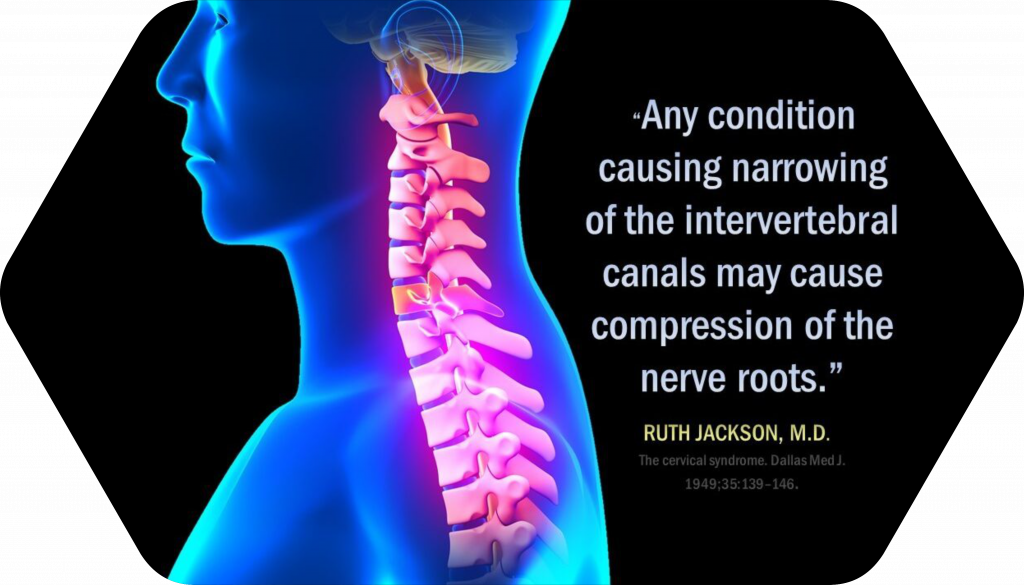
A subluxation is essentially a problem with your spine curvature. They’re often mild, but they do affect how well your nerves work. This is especially apparent when it causes something like back pain. Your nerves actually do a lot for your mental processes as well. In fact, faulty nerve functioning can lead to symptoms like anxiety and an inability to focus just like ADD and ADHD do.
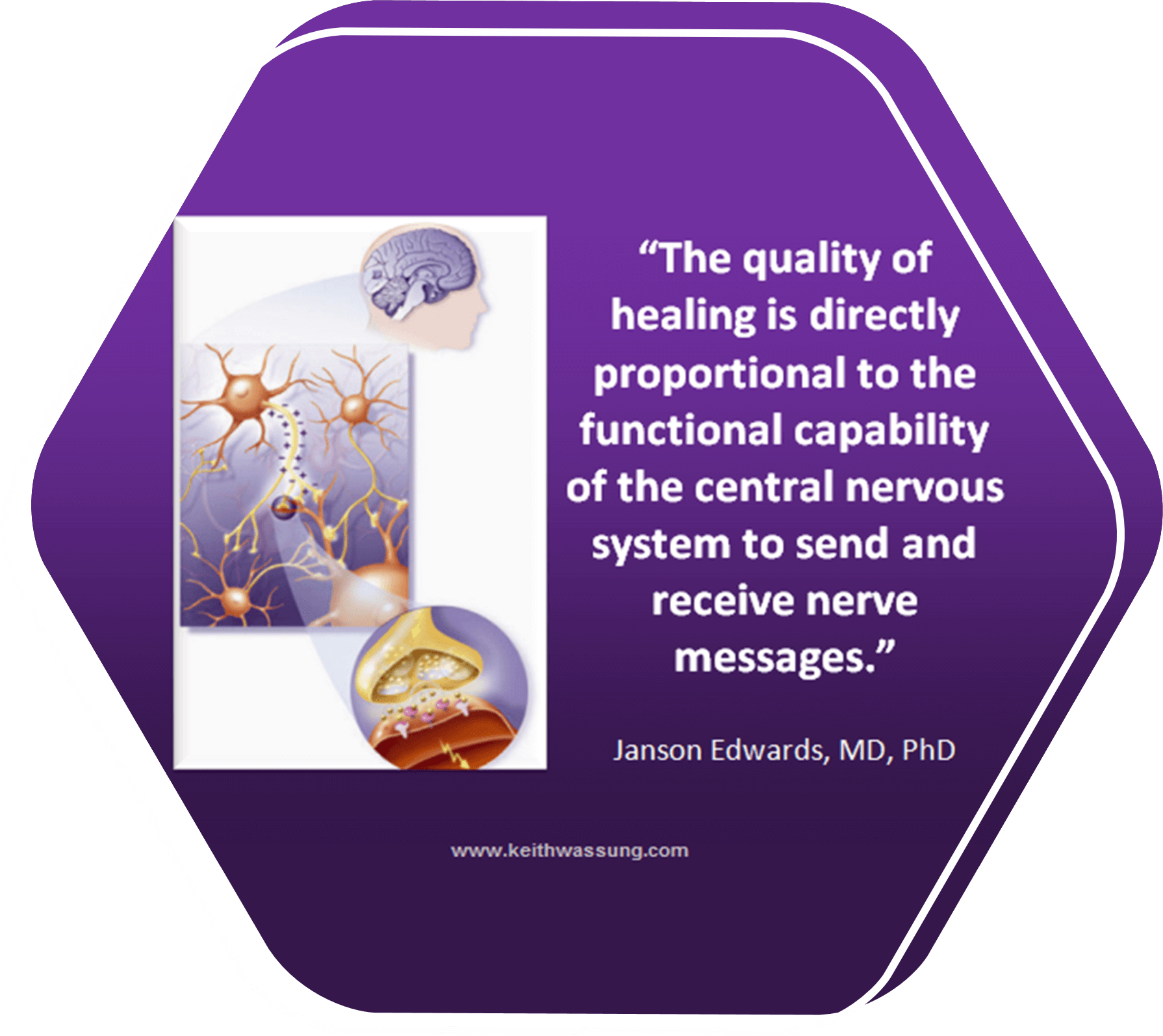
Since your nerves have such a big impact on your mental functioning, target manipulations of those nerves via subluxation treatment can be used to treat ADD and ADHD. Just because it sounds good in theory, however, doesn’t mean it will actually work. To verify its effectiveness, we have to turn to scientific studies. One study found that chiropractic care actually can be an effective way to manage ADD/ADHD conditions. Another study found that there were specific benefits regarding following directions.
Autism
Autism spectrum disorder (ASD) describes a combination of neurodevelopmental disorders affecting communication and social interaction. While there is no cure for ASD, several alternative therapies can help kids living with autism lead a normal and productive life. If you thought you’ve explored all autistic treatment options, chances are you haven’t considered seeing a chiropractor.
Most people think chiropractors adjust and manipulate the body into submission. However, chiropractors improve the nervous system and spine function, which in turn improves other body systems. Chiropractic adjustments also improve neurological functions, enhancing social behavior, mood, focus, and concentration. If your child is struggling with autistic spectrum disorder, Chiropractic can help in the following ways.
- Offers early interventions
The earlier you identify the signs of ASD, the sooner your child can get the help they need. As mentioned, autism can’t be cured or healed by itself. Affected children live with these issues for the rest of their lives. However, by identifying signs of ASD early, interventions leading to better outcomes are made sooner. Chiropractic care is among the many early interventions that can benefit children with ASD. Chiropractic interventions are also safe for young kids.
- Improves quality of life
Children diagnosed with autism spectrum disorder often show symptoms unrelated to ASD, especially digestive problems and chronic ear infections. A misaligned spine worsens these symptoms because of nerve interference, making spinal adjustment necessary. Chiropractic interventions can help improve spinal misalignment. Minimizing nerve interference by the spine can improve the quality of life of autistic children.
- Improve immune system function
Chiropractic interventions also significantly improve immune system function. Most children with autism are vulnerable to infections because of compromised immune system function. Nerve interference also plays a role in reducing immune system function. Gentle chiropractic adjustments alleviate nerve interference, improving communication between the body and the brain. This improves immune system function and overall health and wellness for autistic kids.
Most people know chiropractors as alternative medical professionals who diagnose and care for musculoskeletal and spinal issues. While spinal and musculoskeletal issues largely affect adults, chiropractic care also benefits children, especially autistic children. These interventions improve the digestive system, immune function, sleep, and other challenges facing autistic children.
What Is Autism?
Studies reveal that one out of fifty-nine kids is diagnosed with a form of autism. While talking about the disorder, autism spectrum disorder, or ASD, is a broad term referring to a wide range of conditions characterized by its challenges with social skills, repetitive behaviors, and communication. Diagnosis of Asperger’s and Attention Deficit Hyperactivity Disorder or ADHD fall under the umbrella of autism.
Most kids with autism are diagnosed by age four; however, it can typically be accurately identified as early as age two. Boys are four times as likely as girls to get autism. One in every 37 boys is diagnosed as autistic, compared to one in every 151 girls. Given the unprecedented increase in the number of people diagnosed with autism spectrum disorder over the years, the chances are that you know or have encountered someone with this illness. Autism is so common that April is designated as Autism Awareness Month.
Whatever the cause be, the fact remains that the condition affects both kids and parents. Every parent would ensure their kid gets the very best care and support. These days, many families are turning to chiropractic care as a major means to support those with autism.
Chiropractors primarily focus on the relationship between the spine and the nervous system. The idea is that by aligning the spine normally, the chiropractor for autism helps relieve irritation to the spinal nerves. In this blog, we will learn more about the condition and browse some major benefits of chiropractic care.
What Is Autism?
Considering different conditions under autism’s umbrella is a mandate primarily because its presentation can differ majorly from person to person. However, kids with autism can have similar traits that can affect them emotionally, socially, physically, and cognitively. Everyone may know many forms of autism and how it generally affects the central nervous system. The signs of the condition can range from hyposensitivity or hypersensitivity and self-stimulating behaviors. Moreover, kids with autism characteristically experience auditory, visual, and tactile sensations that often feel overwhelming. This can lead to avoidance and escape behaviors to mitigate or alleviate the offending stimulus.
However, this can fluctuate a great deal between individuals. Some also have issues dealing with large crowds, while others find certain fabrics binding or unbearably itchy. Also, some are disturbed by sounds in the background that commonly people might not even notice.
Hypersensitivity often leads to self-stimulating behaviors known as stimming. The term stimming generally refers to odd behaviors or mannerisms that people with the condition do as a self-calming technique. This can be rocking back and forth, hand flapping, making repetitive vocalizations, or even self-biting. The common populace can find such behaviors to be quite odd or unacceptable.
Causes Of Autism
There is no specific cause for autism spectrum disorder. Given the condition’s complexity and the fact that symptoms and severity vary, there are likely multiple causes. Both genetics and environment may play a major role.
Genetics
The condition appears to be caused by a variety of genes. Autism spectrum disorder can be linked to genetic conditions like Rett syndrome or fragile X syndrome in some kids. Genetic variations or mutations may increase the chances of the condition in other kids.
Other genes may affect brain growth or communication between brain cells. Sometimes, they may influence the seriousness of signs. Some genetic mutations seem to be inherited, while others seem to happen by chance.
Environmental Factors
Researchers are currently examining whether viral infections, medicines, pregnancy difficulties, and air pollution play a role in the onset of autism spectrum disease.
One of the major controversies in autism spectrum disorder centers on whether a connection exists between childhood vaccines and the condition. Extensive research, reliable study has shown a relationship between autism and some vaccines.
Chiropractic Care And Autism
While there is no known cure for autism, several treatments and therapies can help individuals live better, more fulfilling lives. Sensory information is exchanged between neurons in several kinds of autism. As a result, chiropractic ADHD autism care can be quite effective for these patients. The nervous system is less irritated when the spine is aligned properly.
Many patients and their families have observed that they are more relaxed after adjusting their spines, making more eye contact, and more inclined to socialize. Some patients claim that chiropractic therapy provides a comparable sense of stress alleviation as stimming. The therapeutic benefit of chiropractic care, on the other hand, lasts significantly longer than the self-calming effect of stimming.
Consider Realign Spine if you’re looking for help for your child who has recently been diagnosed with autism. Chiropractic care, coupled with other therapies recommended by their developmental pediatrician, such as occupational therapy, helps children’s general physical and cognitive health.
In addition to digestion issues, sleep disruptions, and bedwetting, maintaining a proper spinal alignment can aid autistic children with other problems. This is very advantageous for autistic patients, especially those whose children have speech problems, as our chiropractor for child behavior can discover many of these concerns during their assessment.
Autism and food sensitivity are linked in more ways than one. Some kinds of autism, according to research, have an autoimmune component. As a result, carers and autistic patients should consider getting a food sensitivity test. This allows them to pinpoint any food allergies that are exacerbating their symptoms.
Read Also:- Conservative Care And Rehabilitation: Non-Surgical Procedures For Spine Pain
Another issue that many autistic individuals face is severe pickiness. Parents of children on the spectrum frequently struggle to provide a healthful diet for their children due to strong food aversions. With the variety of nutritional supplements we have in our clinics, Realign Spine can assist families with these and other difficulties.
Many of you must think about what a chiropractic session would look like. If your child has chiropractic treatment as autism therapy, the sessions will take place at a clinic. Initial assessments will last about 40 minutes, followed by regular treatment sessions of about 15-20 minutes. The treatment will generally involve the manipulation of bones, muscles, and joints in the spine. It is a bit surprising to know that chiropractors who reverse autism sometimes also perform manipulation of the skull. Also, treatment sessions may be several times a week for numerous months or longer.
If you have been searching for chiropractor autism near me on the internet constantly but not getting reliable solutions, Realign Spine can be the perfect place. Apart from treating autism, we deal with numerous conditions such as sciatica, chronic neck, and back pain, flat feet, text neck, migraines, headaches, and many more. Head over to our website to know the benefits of chiropractic care.
Colic
Colic is frequent, prolonged and intense crying or fussiness in a healthy infant. Colic can be particularly frustrating for parents because the baby’s distress occurs for no apparent reason and no amount of consoling seems to bring any relief. These episodes often occur in the evening, when parents themselves are often tired.
Episodes of colic usually peak when an infant is about 6 weeks old and decline significantly after 3 to 4 months of age. While the excessive crying will resolve with time, managing colic adds significant stress to caring for your newborn child.
You can take steps that may lessen the severity and duration of colic episodes, alleviate your own stress, and bolster confidence in your parent-child connection.
Symptoms
Babies have been known to fuss and cry, especially during the first three months of life. The range for what’s considered typical crying is difficult to pin down. In general, colic is defined as crying for three or more hours a day, three or more days a week, for three or more weeks.
Features of colic may include the following:
- Intense crying that may seem more like screaming or an expression of pain
- Crying for no apparent reason, unlike crying to express hunger or the need for a diaper change
- Extreme fussiness even after crying has diminished
- Predictable timing, with episodes often occurring in the evening
- Facial discoloring, such as skin flushing or blushing
- Body tension, such as pulled up or stiffened legs, stiffened arms, clenched fists, arched back, or tense abdomen
Sometimes there is relief in symptoms after the infant passes gas or has a bowel movement. Gas is likely the result of swallowed air during prolonged crying.
When to see a doctor
Excessive, inconsolable crying may be colic or an indication of an illness or condition that causes pain or discomfort. Schedule an appointment with your child’s health care provider for a thorough exam if your infant experiences excessive crying or other signs or symptoms of colic.
Causes
The cause of colic is unknown. It may result from numerous contributing factors. While a number of causes have been explored, it’s difficult for researchers to account for all the important features, such as why it usually begins late in the first month of life, how it varies among infants, why it happens at certain times of day and why it resolves on its own in time.
Possible contributing factors that have been explored include:
- Digestive system that isn’t fully developed
- Imbalance of healthy bacteria in the digestive tract
- Food allergies or intolerances
- Overfeeding, underfeeding or infrequent burping
- Early form of childhood migraine
- Family stress or anxiety
Risk factors
Risk factors for colic are not well-understood. Research has not shown differences in risk when the following factors were considered:
- Sex of the child
- Preterm and full-term pregnancies
- Formula-fed and breast-fed babies
Infants born to mothers who smoked during pregnancy or after delivery have an increased risk of developing colic.
Complications
Colic does not cause short-term or long-term medical problems for a child.
Colic is stressful for parents. Research has shown an association between colic and the following problems with parent well-being:
- Increased risk of postpartum depression in mothers
- Early cessation of breast-feeding
- Feelings of guilt, exhaustion, helplessness or anger
Shaken baby syndrome
The stress of calming a crying baby has sometimes prompted parents to shake or otherwise harm their child. Shaking a baby can cause serious damage to the brain and death. The risk of these uncontrolled reactions is greater if parents don’t have information about soothing a crying child, education about colic and the support needed for caring for an infant with colic.
Constipation
Chiropractic & Nutritional Care Can Help Relieve Constipation In Infants & Children
It’s distressing to have parents come into our clinic and tell us their medical doctor said “it is normal” for an infant or a child to go a week between bowel movements. We all know the discomfort of bloating and constipation, babies and children feel the same pain and discomfort.
Often constipation is the result of poor nutrition where the body can’t properly digest food, dehydration that causes solid waste to be too dry to move properly through their gut, or a disturbance of the nerves that feed the digestive system.
Chiropractic care can help by assessing the lower back and sacrum for tension on the nerves that control the intestines and can help them to relax and help restore regular bowel movements. Also, taking Probiotics can help restore the balance of good bacteria their gut, heal it, and function properly.
Chiropractic care can indeed be beneficial for addressing constipation in babies and children. Let’s explore how chiropractic adjustments may help:
Nervous System and Digestion: Chiropractors focus on the spine and nervous system. The nerves that control the gastrointestinal (GI) system connect to the spine. Misalignments (subluxations) in the spine can interfere with nerve function, affecting digestion and bowel movements1.
Energy Blockers and Subluxations: Subluxations act like “energy blockers” within the body. When subluxations occur in the center and lower portions of the spine (linked to the colon and intestines), inflammation can result. This inflammation may trigger constipation. Chiropractic adjustments can help alleviate these subluxations, allowing for smoother bowel movements1.
Regular Chiropractic Care: Chiropractic care is not a one-time fix. Regular visits are essential to maintain proper spinal alignment. Combined with a diet rich in protein, fiber, and whole foods (while avoiding dairy and processed foods), chiropractic care can support regular bowel habits1.
Real-Life Experiences:
- Mandi H. (Royal Oak): Her infant daughter struggled with constipation. After chiropractic adjustments, her child’s pain decreased, and regular bowel movements improved. The relief was significant2.
- Cameron (7 years old): Cameron had chronic constipation. After a chiropractic adjustment, she experienced relief within an hour, with improved bowel movements2.
Remember that individualized care is crucial, and consulting a pediatric chiropractor can help address constipation issues in infants and children.
Ear infections
Chiropractic adjustments may improve drainage and reduce ear infection recurrence in children.
As any parent knows, having a kid with an ear infection is no fun. Fussiness, crying, fever, tugging at the ear, and trouble sleeping are all common signs your child has an ear infection. Even worse, over 80% of children will experience at least one ear infection in childhood.
Thankfully, pediatric chiropractic care for ear infections can help you find relief for your child. This treatment is an excellent addition to typical treatments like ear drops and antibiotics. Let’s take a closer look at ear infections and how chiropractic treatment can help.
What Causes Ear Infections in Children?
Ear infections are caused when bacteria or viruses make their way into the outer, middle, or inner ear. Ear infections can happen to anyone, but they’re especially common in young children, especially middle ear infections.
This is because young children have shorter Eustachian tubes, openings that connect the middle ear to the nasal sinus cavity. This makes it much easier for bacteria and viruses to reach the ear canal. The infection typically presents as fluid buildup behind the eardrum, causing pressure, pain, and irritation.
Children are also more prone to ear infections for the same reason they’re prone to other infectious diseases: their immune system isn’t fully developed. Due to this, their body has much lower defenses against infectious agents. That means that germs that wouldn’t affect adults can be much more dangerous for them.
While a child with an ear infection is no fun, the good news is that a chiropractor can help. Let’s take a look at how pediatric chiropractic care for ear infections works, and how it can help your child.
How Can Pediatric Chiropractic Care Help Kids With Ear Infections?
A pediatric chiropractor for ear infections can help your child find relief from their symptoms. This works in a number of ways.
One of the main causes of ear infection pain is fluid buildup in the inner ear. A chiropractor can restore proper alignment to structures in and around the ear, including the neck, spine, and jaw. This allows painful fluid build up to drain properly and prevent it from returning.
Spinal alignment will also improve your child’s body’s ability to heal itself. By adjusting the upper cervical spine or segments in the neck, you can clear restrictions in the area. This allows your child’s nervous system to work better to clear up the infection.
Pediatric chiropractic care for ear infections helps treat the underlying causes by restoring the body’s normal function. This not only helps clear up the infection, but also prevents it from coming back.
Many parents might worry about taking a baby to a chiropractor for ear infections, but there’s no need to worry. Pediatric chiropractic care is safe and gentle, and will cause no pain for your child. Your chiropractor will assess your child to restore restricted movement and properly align the spine.
Feeding and nursing difficulties
Chiropractic care can play a significant role in addressing feeding and nursing difficulties, particularly in infants. Let’s explore how chiropractic care can be beneficial:
Biomechanical Dysfunctions: Chiropractors focus on identifying and correcting biomechanical dysfunctions in infants. These dysfunctions may impact the baby’s ability to breastfeed effectively. Factors such as birth trauma, malpositioning during labor, or assisted delivery methods can contribute to these issues1.
Coordination for Breastfeeding: Breastfeeding involves intricate coordination of the baby’s skull bones (22 bones with 34 joints), voluntary and involuntary muscles (60 in total), and cranial nerves (controlled by six of the 12 cranial nerves). These components work together to enable the baby to suck, swallow, and breathe while feeding. If any of these elements are out of balance, it can affect breastfeeding2.
Research Evidence: A study investigated how osteopathic care (a type of manual therapy) can help with breastfeeding difficulties. In this randomized controlled trial, breastfeeding mother-baby pairs received either osteopathic therapy or a sham/placebo therapy. The results showed that babies’ feeding improved after osteopathic therapy, with no adverse effects. Mothers also reported reduced pain. While this study focused on osteopathy, chiropractic care shares similar principles and may offer similar benefits2.
Specific Chiropractic Benefits:
- Latching Problems: Chiropractors address issues related to latching, including nipple pain.
- Coordination Challenges: Babies who struggle with coordinating their suck-swallow-breathe pattern (resulting in slow feeding and poor weight gain) may benefit from chiropractic care2.
- Muscle Tension Relief: Chiropractic adjustments can relieve muscle tension, especially in the neck and back, which can occur due to nursing positions3.
- Improved Posture: Proper chiropractic care can enhance posture during breastfeeding, reducing strain on the neck and back3.
Collaboration with Healthcare Professionals: While working closely with your baby’s doctor and a lactation consultant is essential, adding chiropractic care to your team may further support breastfeeding success2.
Remember that each baby is unique, and individualized care is crucial. If you’re experiencing breastfeeding difficulties, consider consulting a pediatric chiropractor to assess and address any musculoskeletal issues that may be affecting your baby’s feeding experience
Sleep issues
The majority people understand the value of sleep in general, and in particular how it can contribute to good health and development in children. As a chiropractor who treats children, a popular topic I end up addressing with moms is how to improve their child’s quality of sleep. Emerging research suggests that pediatric sleep disorders contribute to attention deficit, hyperactivity, mood disturbances and memory problems.1 Ensuring your child develops a healthy sleep routine is very important and chiropractic care may help.
A pilot study published in the March 2008 issue of the scientific periodical the Journal of Clinical Chiropractic Pediatrics (JCCP), showed that infants sleep better when under chiropractic care. The study was conducted in a chiropractic teaching clinic in Bournemouth, England by a favourite clinician and teacher of mine, Dr. Joyce Miller. In the study the parents of 117 infants who were brought in for chiropractic care were asked to fill out a questionnaire on the children’s sleep behaviours. The parents were then asked to fill out follow up questionnaires on the 1st, 4th and 7th visit to the chiropractic clinic. The researchers noted that since the care took place over a 2 week period, that factors such as aging could be ruled out. In their conclusion the researchers stated, “The pilot study into the issue of sleep problems in children showed significant improvements (by parental report) in time taken to fall asleep, number of consecutive hours of sleep and depth and quality of sleep for children during a short course of chiropractic care. “
Chiropractic care for children includes gentle manual therapy the muscles and joints in the spine. Imbalances of the spine can occur during childbirth, from tumbles or falls, or from other daily activities. If the imbalance is left untreated inflammation may occur which can irritate the nerves and add stress to the nervous system and the body’s ability to function properly. The purpose of a chiropractic adjustment is not to treat a sleep disturbance but to help restore normal functioning to the nervous system so the body can function optimally.
Many parents of children with sleep disturbances are searching for none pharmaceutical alternatives. Chiropractic care is low risk and is it a great option for such parents and children. Check out the website www.icpa4kids.com when looking for more information. You can also find individual case reports which add to the body of evidence indicating that chiropractic adjustments may help children with sleep problems.
- Gozal D, Keirandish-Gozal L. Neurocognitive and behavioral morbidity in children with sleep disorders. Curr Opin Pulm Med, 2007;13(6):505-9.)
Torticollis
What Is Torticollis, and Can a Chiropractor Help?
Merged
Is your baby’s head tilted to one side? Does your baby struggle to turn in one direction? Or maybe you have radiating pain from your neck to your shoulder, accompanied by stiffness. Whether it’s affecting you or your baby, torticollis is a true “pain in the neck.” The good news is that most of the time, it can be cured, and chiropractic care can hasten your recovery.
What Is Torticollis?
Torticollis, otherwise known as wry neck, is a condition in which one of the sternocleidomastoid muscles (SCMs, or “strap muscles”) has become tight and short, causing the head to tilt to one side. The SCM is a muscle extending up your neck from your collarbone to the back of your ears.
Torticollis is most commonly diagnosed in infants and toddlers under two years old, although adults sometimes have the condition as well. In newborns, torticollis may appear immediately after birth or within the first three months.
While torticollis can cause pain and stiffness, among other ailments, it can be cured. The earlier it is recognized, the easier it is to treat and heal.
Types of Torticollis
There are several types of torticollis:
- Congenital muscular torticollis. This is the most common kind of torticollis in infants; it appears at birth, often due to cramping in the womb or birth trauma caused by use of a vacuum or forceps.
- Temporary torticollis. This occurs due to a temporary ailment, such as swollen lymph nodes, a neck injury, or sleeping uncomfortably on the neck.
- Fixed torticollis. As the name suggests, fixed torticollis is permanent and is usually caused by a problem within muscle or bone structure.
- Klippel-Feil syndrome. This rare condition is caused by fused vertebrae in a baby’s neck. Children with this disorder generally experience hearing and vision loss.
- Cervical dystonia or spasmodic torticollis. Also a rare condition, cervical dystonia causes a more severe twisting of the neck due to muscle spasms. This kind of torticollis is generally found in adults over 40 rather than children.
Head Tilt & Other Torticollis Symptoms in Your Baby
Torticollis in your baby is easily recognizable if you keep an eye out for any of these telltale symptoms:
- Your baby’s head is tilted (in most cases the chin is pointing to the right)
- Your baby struggles to turn his head or look up or down, which can aggravate him
- There is a lump in your baby’s neck muscle
- Your baby finds it difficult to nurse on one side while easily nursing on the other
- You notice flattening on your baby’s head, or positional plagiocephaly, which comes from lying on one side for an extended time
Additionally, if your baby has symptoms of dysplasia of the hip, she may have torticollis as well, as the two conditions often coincide. Dysplasia of the hip occurs when a baby’s hip is not completely formed, causing the ball to slip in and out of the socket. This can be painful and can cause long term problems if not treated early on.
Signs of dysplasia of the hip include:
- Uneven legs
- Popping in the hips
- Stiff movement in one leg
- Limping if your baby is already walking
Seeking treatment for torticollis and dysplasia of the hip early will likely prevent more severe consequences, such as difficulty feeding, crawling, or walking, along with balance issues and difficulty tracking objects with the eye.
Symptoms of torticollis in adults are similar; you may have a tilted head, difficulty turning to one side, and pain in your neck and upper shoulders.

Treatments for Torticollis
Torticollis is not usually a lifelong condition for a baby or adult. In fact, with proper treatment, the problem can be resolved in a matter of days, weeks, or months depending on its severity.
Once your baby is diagnosed with torticollis, your doctor may recommend visiting a physical therapist for regular stretching and strengthening exercises. In severe cases your doctor may recommend surgery, but this is extremely rare.
If your baby has been diagnosed with the rare Klippel-Feil syndrome or any other rare torticollis condition, your doctor will likely recommend a more targeted treatment plan to manage pain and other symptoms.
In addition to physical therapy appointments, there are some activities you can try at home to encourage your baby’s neck muscles to strengthen:
- Gently stretch your baby’s neck (of course, ask your physical therapist to demonstrate the correct way to perform the stretches beforehand)
- Make sure baby gets tummy time each day
- Encourage baby to feed on both sides
- Use colorful toys and play with baby’s hands and feet to encourage mobility
Taking your baby to a chiropractor can also help relieve torticollis.
Chiropractic & Torticollis
Chiropractic adjustments and massage therapy can be utilized to help relieve symptoms of torticollis and can even aid in healing the condition. In fact, the combination of physical therapy, home stretching, and chiropractic treatment can cure your baby’s torticollis.
Torticollis often causes subluxations in the cervical spine (partial dislocations in the strong, flexible vertebrae in the neck). Essentially, this means that the neck is misaligned, or out of joint with the rest of the spine. This prevents the nervous system from properly communicating with the body, which can worsen torticollis pain and slow the healing of the muscle.
Gentle spinal manipulation and massage therapy relieve the cervical spine of subluxations and bring the spine into proper alignment, thus allowing the nervous system to communicate more swiftly with the body. This allows the weakened, stiff neck muscle to relax and stretch out little by little, thus eliminating the torticollis.
Nervous about Bringing Your Baby to a Chiropractor for Torticollis?
For adults, chiropractic treatment may be enough to reverse temporary torticollis; for more serious and rare conditions like cervical dystonia, your doctor will provide you with a personalized treatment plan which may or may not include chiropractic care.
If you’re an adult with torticollis, going to the chiropractor for pain relief may not intimidate you at all. However, taking your baby to be adjusted can be nerve-wracking. It may seem like spinal manipulations and adjustments would hurt your baby and do more harm than good.
This is a common concern for parents who worry about the seemingly aggressive chiropractic methods they have heard about, witnessed, or experienced themselves.
While some manual adjustments can be forceful at times on adults, all chiropractors are trained to adjust small children and babies gently. Babies do not need to undergo much pressure in order for their joints to be adjusted back into place. Additionally, many chiropractors specialize in prenatal and infant care. Choosing a chiropractor with years of experience treating pregnant women and babies can help put your mind at ease.
If you or your baby is suffering from torticollis, seeing a chiropractor can be your ticket to a fast and complete recovery.
