



Numbness
What Can Cause Numbness and Tingling?
For your peace of mind and overall comfort and quality of life, it is important that you find the cause of your numbness and tingling. Some serious causes may be diabetes, multiple sclerosis, a seizure disorder, or a stroke. However, most of the time, these sensations in your arms and legs can be the cause of something a little less serious, such as carpal tunnel syndrome or migraines. A pinched nerve can also be the culprit. When blood flow is restricted due to a pinched nerve, you may experience an uncomfortable tingling or numb sensation in your arms, legs, hands, or fingers.
Chiropractic Care Can Alleviate Numbness and Tingling
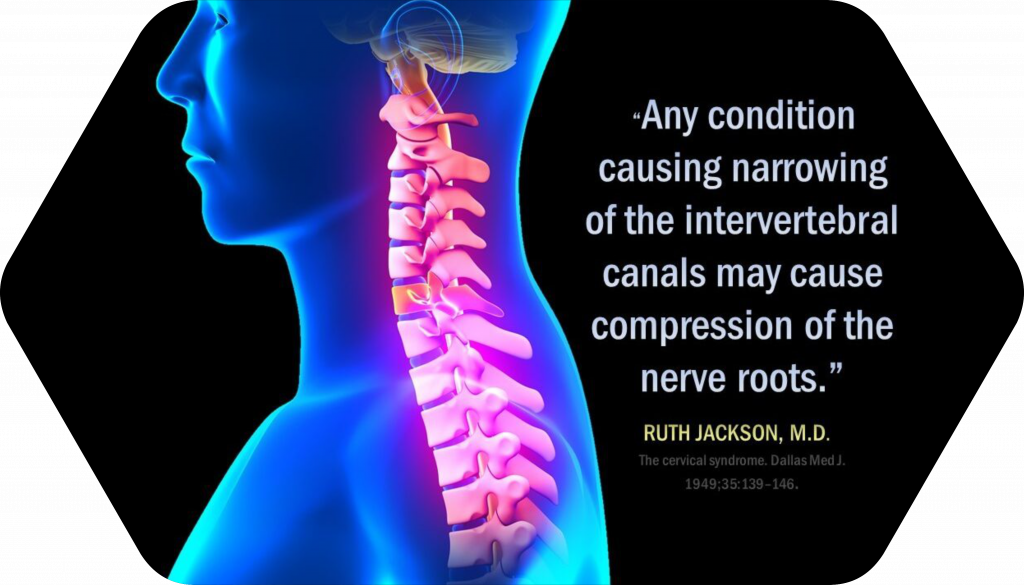
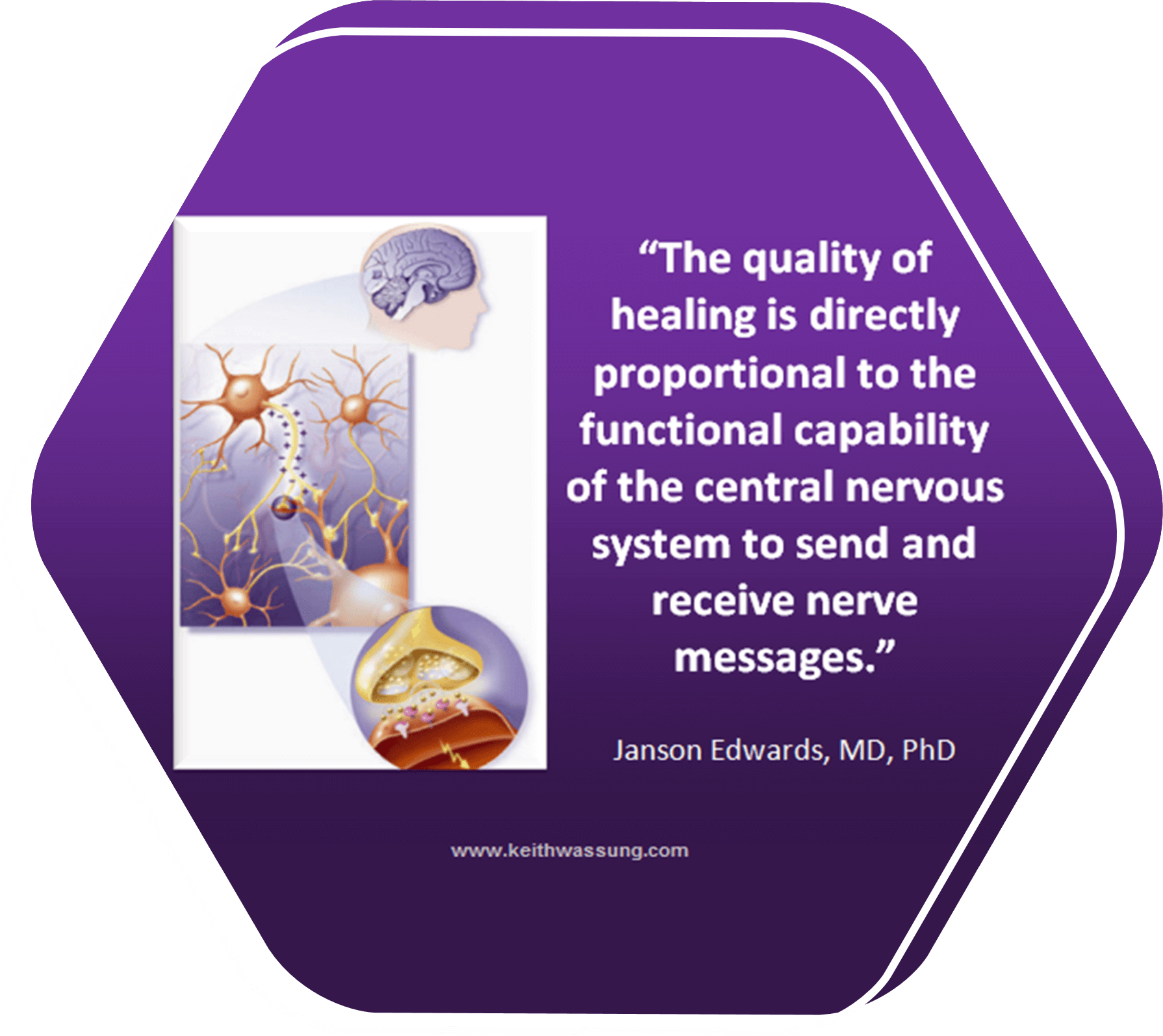
Chiropractic care specifically addresses the health of the central nervous system, including nerve function. Because numbness and tingling is so often associated with nerve issues, it makes sense to turn to a Lithia Springs chiropractor if you’re dealing with these frustrating sensations. Misalignments of the spine can be the cause of a variety of health issues, including migraines, pinched nerves, or even carpal tunnel syndrome, all of which may be contributing to your numbness or tingling sensations. Misalignments cause nerve interference that can affect proper blood flow and the communication between the brain and the rest of the body, which in turn leads to dysfunction. Upon examination of the spine, Dr. Ronnie Bolar will perform a gentle adjustment that will remove misalignments and nerve interference, opening up blood flow and correcting health concerns, so your body can once again function as it should. For many, numbness and tingling can be corrected with regular chiropractic care. As a bonus, not only can chiropractic alleviate these annoying sensations, but it also promotes health and wellness of the overall body so you can feel your absolute best.
Case Studies Demonstrate the Effectiveness of Chiropractic
Case studies have shown that chiropractic care has helped many find relief from numbness and tingling. In one such case study, a 24-year-old woman suffered from paresthesia, the pins and needles sensation. This went on in her right arm for two years and led to insomnia at night. After just one week of chiropractic care, her numbness and tingling was completely gone. Another case study of 162 people with nerve pain called radiculopathy found that 85% of people were able to find relief from nerve pain, numbness, and tingling with just nine visits to a chiropractor.
Chiropractic has helped countless others and it can help you too. If numbness or tingling is affecting your life, turn to Dr. Ronnie Bolar of Vital Life Chiropractic. Find out just how beneficial chiropractic can be for numbness, tingling, and so much more!
Sources
Bova, J., &Sergent, A. (2014). Chiropractic Management of a 24-Year-Old Woman With Idiopathic, Intermittent Right-Sided Hemiparesthesia. Journal of Chiropractic Medicine, 13(4); 282–286. https://www.ncbi.nlm.nih.gov/pmc/articles/PMC4241474/
Christensen, K. D., &Buswell, K. (2008). Chiropractic outcomes managing radiculopathy in a hospital setting: a retrospective review of 162 patients. Journal of Chiropractic Medicine, 7(3); 115–125. https://www.ncbi.nlm.nih.gov/pmc/articles/PMC2682943/

Mid-Back Conditions
Chiropractic can offer care for mid-back conditions, to help alleviate pain and to prevent future problems from developing.
Did your parents ever tell you to sit up straight and stop slouching? It was probably good advice. Many of the conditions that cause pain in the mid back are either directly or indirectly related to your posture. Poor posture can cause muscle imbalances and other physical changes in the body. Muscle imbalances can make us more vulnerable to conditions such as postural syndrome, thoracic joint irritation, certain types of scoliosis and subluxations.
But posture is not the only cause of mid back pain. Injuries due to trauma or repetitive movements are another source. In short, no one is immune from these injuries. From people who work at a desk to those who paint houses, anyone can become affected. See your chiropractor to discuss management options.
Postural Syndrome
Thoracic Spine Facet Irritation
Thoracic Spine Subluxation
People with thoracic facet irritation often complain of a sharp, stabbing, well-localized pain in the mid back. In most cases the pain gets worse after long periods of inactivity, like in the morning after a long night’s sleep. Fortunately, this severe discomfort tends to dissipate as the day goes on and muscles and tissues see more activity.
Beyond prolonged periods of inactivity, specific movements and bodily functions can also accentuate the pain, such as when patients bend over to one side, cough, sneeze or even breathe deeply.
With thoracic facet irritation, people also commonly feel soreness in the ribs. That’s because the thoracic spine, found in the mid back, is attached to the rib cage. The rib cage wraps all the way around the middle portion of the body, helping to make the spine much more stable and less prone to injury. When the joints in the spine get irritated, the area where the ribs attach to the thoracic spine can become tender.
Thoracic facet irritation develops when there’s inflammation of the facet joints, which are the joints that connect the vertebrae (spinal bones). Awkward neck and back movements, subluxations (stuck or misaligned joints), acute injuries, poor posture and tight muscles can place stress on the facet joints or limit their motion, which leads to irritation and ultimately the pain associated with this condition.
Subluxations are a major contributor to thoracic facet irritation, because they limit the joints’ ability to move through their normal range of motion, preventing them from functioning properly. When joints are aligned and able to move through their normal range of motion, they lubricate themselves and remain healthy. When subluxated, however, they no longer lubricate themselves and begin to stick, like an unused door hinge. This stickiness causes irritation.
Physical activities, including heavy lifting, reaching overhead to put something away, carrying heavy objects on the shoulders or pulling a weighted object for a long period of time can lead to thoracic facet irritation. These activities may stretch the joint capsules (which protect and support the joints) or jam the facet joints, causing subluxations in the spine and painful swelling and inflammation.
Fortunately, your chiropractor can provide effective care for thoracic facet irritation, and will probably use an adjustment, also known as spinal manipulative therapy, to restore movement to irritated joints, promote healing and relax tight muscles.
The impasse ends, however, when chronic poor posture gives the chest muscles the advantage. The chest muscles then become tight and short, tugging or pulling the shoulders forward. Chronically tight chest muscles cause the muscles behind the shoulders to become relatively weak. At this point, the stronger muscles pull the spine out of its normal alignment, causing postural changes. Now the shoulders are slouched forward and the head, because of its connection, must follow. In an effort to hold the head up to compensate, the muscles in the back of the neck then become tight, ending the other tug-of-war and causing the head to jut forward.
If you have postural syndrome or just poor posture, it’s important that you see your chiropractor as soon as possible. Postural awareness and chiropractic care can help restore muscle balance and joint health, but since it may have been many years since you started ignoring your parents’ advice, it may take some time for you and your chiropractor to fix the problems.
