




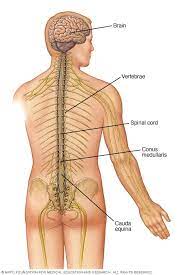
Let’s begin with a review of the spine’s anatomy. Understanding how the structure of the spine is arranged can help you determine whether your back pain is the result of a particular spine condition.
Your spine is made up of small donut-shaped bones, called vertebrae, which sit on top of one another, separated only by pieces of spongy tissue called discs. Intervertebral discs act as shock-absorbing cushions for the vertebrae. When you’re wondering, “How do I know if I have a spine condition,” the first thing to determine is where your pain is originating from.
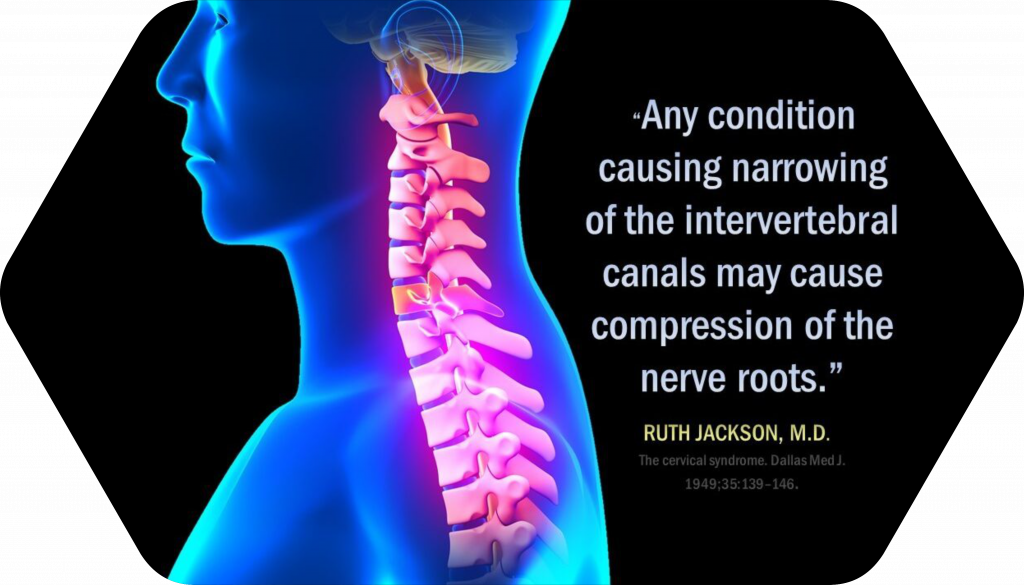
Cervical: The seven, small vertebrae that make up this segment of the spine are commonly referred to as the neck. They connect the skull to the rest of the spine and they’re responsible for bearing the weight of the head and protecting important nerves that connect to the brain.
Acute neck pain is most often the cause of a muscle, ligament or tendon strain. Pain in the arms, hands and fingers can be a sign of a herniated disk in the cervical segment.
Thoracic: From the shoulders to the rib cage, the twelve vertebrae of the thoracic spine provide protection to the vital organs and stability to the upper back. This segment of the spine is less flexible and it’s lack of motion keeps it from injuries that commonly impact the more mobile top and bottom parts of the spine. However, it is attached to large upper back and shoulder muscles, which can become strained, producing upper back pain. Scoliosis also commonly affects the thoracic section of the spine.
Lumbar: The five large bones that make up the bottom of the spinal column are the lumbar vertebrae. This area is responsible for carrying the weight of the torso and facilitating movement of the lower body. Notorious for being a commonly cited location for pain, the lumbar region is associated with a variety of spinal problems. Most commonly, lower back pain is actually the result of strained muscles, but herniated discs, spinal stenosis, and spinal fractures are also fairly common lumbar injuries.
How Do I Know if I Have a Spine Condition?

How do I know if I have a spine condition? The answer to that question isn’t one we can provide for you in this article. However, Dynamic Spine Center will be able to diagnose and treat your particular issue when you come in to see our spine specialists.
With an initial visit, your physician will complete a thorough medical history and physical exam. If needed, an MRI may be ordered, although it is not always necessary. The doctor will tell you whether you have a spine condition and if so, the nature and severity of that condition. Then, an appropriate treatment plan will be discussed.
Stop wondering, and start getting answers. We’re here to help. Visit any of our locations or contact us at (758) 518 – 5000. And remember, if you have additional questions on the topic of spine health and back pain, the articles under why patient sees us may be useful for you.
