



Parental Rights and Child's Health
Introducing your infant or child to chiropractic care at a young age can be one of the best ways to help set them up for a lifetime of good health. Pediatric chiropractors specialize in treating infants, toddlers, children, and teens to align their spine and balance their nervous system. Here are 10 benefits of pediatric chiropractic care:
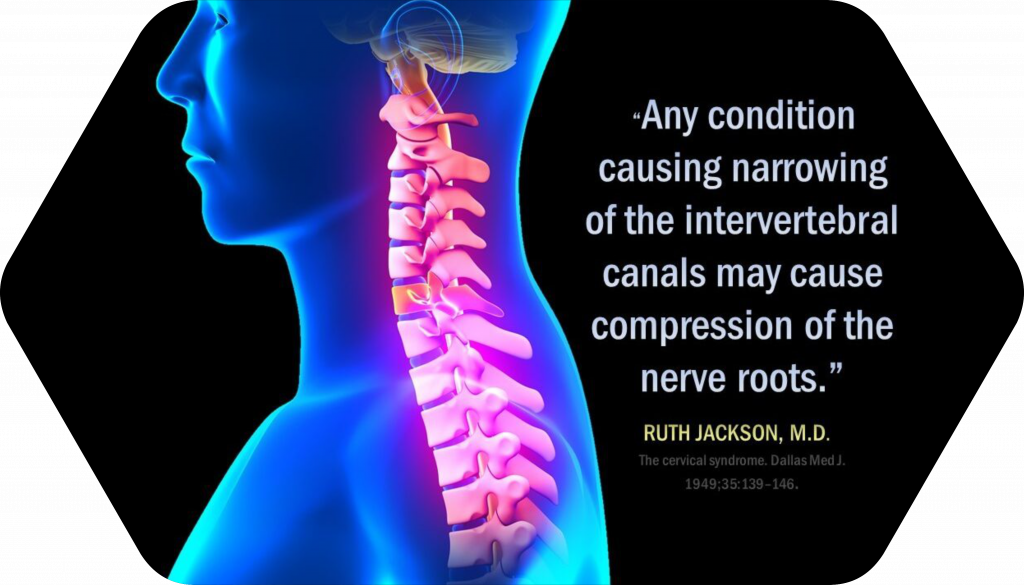
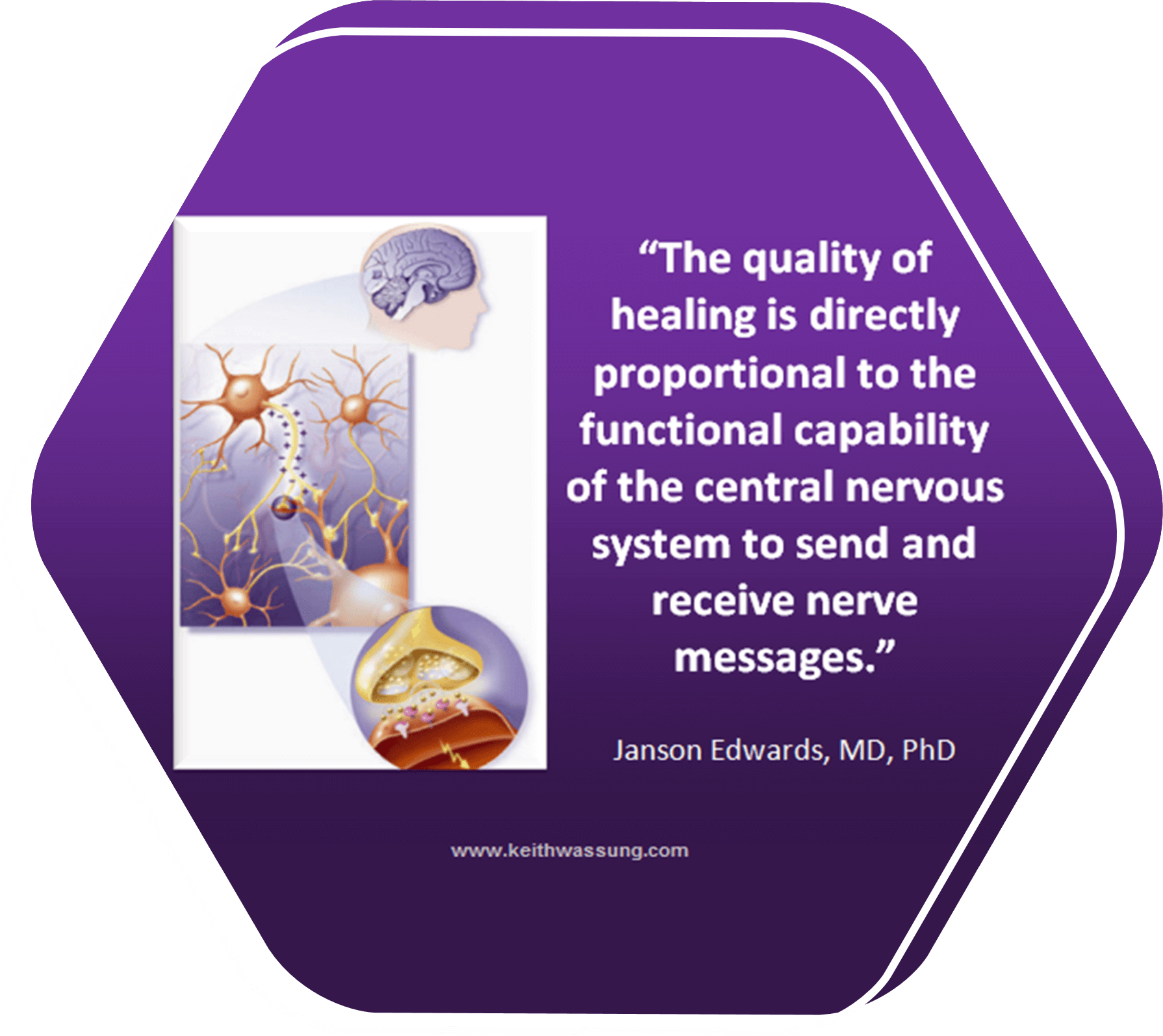
Balancing the Nervous System: Regular adjustments invite a child’s system to feel more synchronized and settled. A balanced nervous system promotes well-being, greater immunity, and healthy spinal development1. When our spine is out of alignment, this can affect so much more than just our posture, aches, and pains. The spine is the central network of our entire system– physical, mental, emotional, and energetic. Our children’s spine and nervous system are very delicate as they are still growing and developing. Regular adjustments to a child’s back and neck will invite their system to feel more synchronized and settled. A balanced nervous system translates into many areas of their life, promoting wellbeing, greater immunity, and healthy spinal development.
Enhancing Immune Health: The health and functionality of our spinal cord impact our immune response. Children who see a pediatric chiropractor regularly tend to have fewer colds, as chiropractic care supports immune function1. Our immune response becomes activated based on neurotransmitters which are dependent on the health and functionality of our spinal cord. Something as simple as a pinched nerve or as severe as a slipped disc can disrupt the ability of our immune system to respond to outside threats. This is especially important for toddlers and children who are still building their immune health and exposed to more germs than adults. It has been found that children who see a pediatric chiropractor regularly get fewer colds than those who have never seen one.
Promoting Healthier Sleep Cycles: Chiropractic adjustments can contribute to better sleep patterns for children1. Is your child a good sleeper? Chiropractic care can help a child sleep better through the night and feel more rested and calm. After regular pediatric chiropractic visits, parents have noted positive changes in their child’s sleep patterns such as earlier bedtimes, fewer late night wake-ups, more consistent sleep behavior or naps, decreased lethargy, and a more balanced flow of energy levels.
4. Aiding Digestion: Proper spinal alignment can positively influence digestion, especially in infants. Chiropractic care may help soothe colic and reflux symptoms1. If your child is experiencing digestive issues, such as constipation, a pediatric chiropractor can offer your little one an extremely gentle and non-invasive adjustment as opposed to medications or other harsh treatments. Light adjustments administered to the child’s spine and neck have been known to relieve constipation and numerous digestive issues. Chiropractic care is intended to help release trapped gas from the joints which can improve blood circulation. Healthier blood flow is a super simple way to encourage more regular digestion. Not to mention, proper alignment of the mid-low back, hips and pelvic area can relieve tension on the intestines and promote a more easeful experience.
5. Reducing Ear Infections and Allergies: By maintaining spinal health, children may experience fewer ear infections and allergies1. Have you ever noticed the need to blow your nose after an adjustment? Our lymphatic system is dependent on the spine and surrounding muscles for proper flow and functionality. Neck adjustments can often help with lymphatic drainage. Additionally, the biomechanics of the cervical vertebrae can determine when the musculoskeletal system is not functioning properly. If your child experiences difficulty breathing, mobilizing the thoracic spine (upper-middle back) can help them to breathe easier and alleviate symptoms of asthma. For kids with consistent allergies, asthma, or ear infections, please be sure to accompany chiropractic treatment with care from your pediatrician or regular health care provider.
6. Supporting Growth Milestones: Pediatric chiropractic care ensures that a child’s spine develops optimally, supporting growth and development1. Although our kids may seem rubbery and indestructible at times, childhood is a key time for habitual postures and patterns to start setting in. The developmental years are the perfect time to preserve the abundant health our kids are born with rather than needing to go back to ‘fix’ or heal issues that may arise throughout their life. Kids are often very active and sometimes take falls that we may not know how significantly have impacted their spinal alignment. It can be helpful to have a pediatric chiropractor monitor our child’s health on a regular basis – especially for kids who are not old enough to effectively communicate their needs.
7. Improving Behavioral Issues: Balanced nervous system function can positively impact behavior and attention2.
It’s important to clarify that chiropractic care does not necessarily “treat” ADHD. However, it can impact children positively who have been diagnosed and it is known to be a safe and natural treatment for the symptoms. Regular adjustments help to support more efficient and effective nerve flow. Spinal misalignments can often lead to behavioral issues as well as changes in brain functionality. Adjusting your child’s spine restores balance to their brain, body, and their entire nervous system which can lead to higher levels of concentration, improved mood and focus.
Pediatric chiropractic care is designed to offer a whole body approach to wellness. In addition to the adjustments, some practitioners offer a variety of sound and light frequencies as part of their therapy. Your provider may also recommend certain dietary changes and exercises. It has been found that by eliminating certain foods, introducing moderate exercise and healthier sleep patterns can help ADHD symptoms to subside. These recommendations could be useful not only for ADHD but help to alleviate headaches, balance the nervous system, regulate sleep, enhance their immune system and so much more!
8. Safe Approach, Non-Invasive and Gentle: Pediatric chiropractors undergo specialized training to tailor care to a child’s specific age, body type, and unique requirements1. Chiropractic adjustments for kids use only light and gentle pressure, often feeling like a gentle touch or massage1.
9. It Relieves Tension, Migraines and Headaches
Headaches can be linked to innumerable causes. In a world full of loud noises, bright lights, countless ingredients, radiation, and toxins, it’s best to try to minimize the factors that may be playing a role in irritating our system. Tension in the upper cervical and neck area can often be a significant cause of recurring headaches and migraines. How does this issue first arise? Misalignment of the neck is quite common in both kids and adults. More and more, we find that kids develop a slouched posture and that the cervical or natural lordotic curve in their spine becomes diminished due to looking down at devices, texting while walking, and lack of movement for long periods of time.
Movement is certainly medicine when it comes to your spine. While it’s impossible to consistently monitor our child’s posture, behavior, and activity, seeing a pediatric chiropractor is a wonderful way to ensure they are receiving the care they need in this busy life. Relieving the tension in their neck and encouraging a healthy cervical curve is sure to help alleviate the headaches and migraines they may be experiencing.
10. Holistic Well-Being:
Chiropractic care considers physical, mental, emotional, and energetic aspects, promoting overall health and vitality1. Chiropractic care for infants has been found to relieve and soothe colicky babies. In fact, a 3-month long study found that 94% of subjects experienced improved colic symptoms after receiving regular chiropractic adjustments. Subluxation misalignment in infants is the most common reason for colic. This means that when their nervous system becomes imbalanced, other parts of their body start to work improperly. This can lead to dysfunction in a baby’s digestive system, for example and may cause them to start crying intensely.
In addition to easing the symptoms of colic, there are many benefits to chiropractic care for newborns such as:
- Reducing Fussiness
- Promoting better sleep
- Supporting neurological development and growth milestones
- Enhancing the immune system
- Pre and post treatment of lip-ties and tongue-ties
What are Parental Rights?
Parental rights refer to the comprehensive set of rights and responsibilities bestowed upon biological or adoptive parents, granting them the authority to make significant decisions about their child’s upbringing—including choices about education, healthcare, and religion—as well as the right to physical and legal custody, all of which are subject to limitations if the parent’s actions are not in the best interest of the child.
Parental Rights | Biological and Adoptive Parental Rights
The term “parental rights” frequently surfaces when discussing family law and child welfare. But why is it so significant? Here’s an extensive look into the legal meaning of parental rights.
It refers to parents’ legal rights and responsibilities concerning their biological or adopted children.
These rights ensure that parents can make decisions for their children and are protected from undue interference by the state, provided they are acting in the child’s best interest.
Components of Parental Rights
Parental rights can be broken down into several essential components:
- The Right to Physical Custody: This allows parents to live with their child and make day-to-day decisions regarding their child’s upbringing and well-being.
- The Right to Legal Custody: This involves making significant decisions about a child’s life, including their education, religious upbringing, and medical care.
- The Right to Visitation: If parents do not have physical custody, they may have the right to spend time with their child, provided it’s in their child’s best interest.
- The Right to Pass Property to a Child through Inheritance: This allows parents to leave property or assets to their children upon their passing.
- The Right to Make Decisions about a Child’s Upbringing: This includes decisions about education, religion, medical treatments, and other significant matters.
Limitations of Parental Rights
While parents have broad rights, there are clear limits:
- Best Interest of the Child: The most overarching limitation is that any decision or action taken should be in the child’s best interest. If actions or decisions could harm the child, the state can intervene.
- Neglect or Abuse: If parents are found to be neglecting or abusing their child, they may have their parental rights limited or even terminated.
- Failure to Support or Maintain Contact: If a parent fails to support or maintain significant contact with their child without good reason, this can reduce or terminate rights.
Parental choice and the right to education: revisiting article 26 of the Universal Declaration of Human Rights – UNESCO Digital Library
Conversations About Vaccine and Child’s Health
Millions of infants, toddlers and children are taken by their parents to pediatricians for their shots. These parents want the best for their children and might be surprised to learn that there are equally concerned parents who refuse vaX for their infants and children out of fear that the shots are a greater threat to their child’s health than the disease. NO MATTER WHAT CHOICE you make for your child/children, our office advocates for freedom of choice. We urge parents to do their own research on both sides of the issue and then make the best choice for your family. We are happy to give you information if you are seeking it, but will always respect your stance and perspective on vax. Below, you can find some quotes from MD’s and Ph.D.’s regarding statistics and reasons why someone would choose not to vaccinate. If you have further questions please don’t hesitate to call or ask the doctor at your next visit.
Welcome to Vaxx Guide
30+ Vaxx Documentaries
.“Much of what you have been led to believe about immunizations simply isn’t true. I not only have grave misgivings about them; if I were to follow my deep convictions …I would urge you to reject all inoculations for your child.” The late pediatrician Robert Mendelsohn, M.D.
Have Vaccines Eradicated Disease?
Infectious diseases began to decline long before the advent of vaccinations: “Actual statistics and records from around the world show that infectious diseases, e.g., smallpox, diphtheria, whooping cough, scarlet fever, etc., began to disappear long before immunizations ever came on the scene.”
As Ivan Illich, Ph.D. has noted: “The combined death rate from scarlet fever, diphtheria, whooping cough, and measles among children up to fifteen shows that nearly 90% of the total decline in mortality between 1860 and 1965 occurred before the introduction of antibiotics and widespread immunization”.
Polio
Polio was disappearing naturally after it had peaked in 1949: “It is commonly believed that the Salk vaccine was responsible for halting the polio epidemics that plagued American children in the 1940s and 1950s. If so, why did the epidemics also end in Europe, where polio vaccine was not so extensively used? Doctors admit that forty percent of our population is not immunized against polio. So where is polio?”
Statistics were “cooked” to “prove” that the mass inoculation campaign was working. Cases formerly reported as polio were now reported as meningitis. So while polio statistics dropped, statistics for viral or aseptic meningitis soared.
Benefits of Childhood Diseases
Some authorities claim that acute infectious diseases (measles, mumps, chicken pox, etc.) are necessary milestones that actually help the child’s immune system strengthen and mature.
As Viera Scheibner, Ph.D. writes: “The body has natural mechanisms to create immunity to diseases. The diseases themselves are the priming and challenging mechanisms of the maturation process leading to the competence of the immune system. It has been demonstrated time and again, that infectious diseases of childhood are very beneficial for children to catch…. The general inflammatory process is important in the dynamics of maturation of the immune response to diseases”.
Dr. Harris Coulter states: Contracting and overcoming [childhood] diseases is part of a developmental process that actually helps develop a healthy, robust, adult immune system able to meet the challenges that inevitable encounters with viruses and bacteria will present later on.
Risks of Vaccinations
There is evidence that dyslexia, minimal brain damage, ADD, ADHD, autism, allergies, visual problems and many other neurological diseases grouped together as “developmental disabilities” (conditions that barely existed before mass vaccination programs) could be caused by vaccination.
As Dr. Harris Coulter writes: Probably twenty percent of American children-one youngster in five-suffers from a “developmental disability. ” This is a stupefying figure.. “Developmental disabilities” are nearly always generated by encephalitis. And the primary cause of encephalitis in the United States and other industrialized countries is the childhood vaccination program. To be specific, a large proportion of the millions of US. children and adults suffering from autism, seizures, mental retardation, hyperactivity, dyslexia, and other… `developmental disabilities, ” owe their disorders to one or another of the vaccines against childhood diseases.
Crib Death (SIDS) and Vaccines
Perhaps most shocking is evidence that many deaths reported as Sudden Infant Death Syndrome (SIDS) or Crib Death may in fact really be vaccine deaths. When, in 1975 the Japanese government raised the minimum vaccination age from two months (as it is in America) to two years, crib death and infantile seizures virtually disappeared. In Australia after mandatory vaccination was repealed, approximately half the families stopped vaccinating their children and crib deaths dropped by the same percentage.
Hepatitis B-Recent Findings
The Hepatitis B vaccine is given at birth and deserves special mention. This is not a highly contagious disease; it is primarily an adult disease that is mostly transmitted by intravenous drug use, heterosexual contact with infected persons and homosexual sex.
From The Vaccine Reaction, published by the National Vaccine Information Center:
According to Harrison’s Principles of Internal Medicine (1994), mother to child transmission of hepatitis B “is uncommon in North America and Western Europe” and 95% of people who catch it recover completely” and acquire lifelong immunity. The U.S. and Western Europe have among the lowest rates of hepatitis B in the world with the greatest incidence in adults aged 20-39.
So why give this vaccine at birth if it is primarily an adult disease due to sex or drugs and immunity only lasts 7 years?
In October 1998 the French Ministry of Health banned hepatitis B shots for school-aged children based on evidence that the vaccine causes multiple sclerosis, lupus, arthritis, diabetes and autoimmune diseases.
How Many Children Are Affected?
No one really knows how many children are hurt because those who would know best, pediatricians, simply aren’t reporting vaccine injuries to government agencies. The FDA (Food and Drug Administration) states that only one in ten vaccine injuries is ever reported while Connaught Laboratories estimates that only one out of 50 vaccine injuries is ever reported. As of early 1999 the U.S. government has paid nearly $1 billion to the families of vaccine-damaged children as part of the vaccine compensation program.
Vaccine Exemptions
The slogan “No shots, no school” is not entirely accurate. Every state in the U.S. has exemptions to vaccination requirements. In some states a parent merely needs to check a box on the school health form. In other states the requirements are more involved. Check with your state health department. There are many legal ways to avoid vaccination if you decide that is the best course for your child/children.
The chiropractic spinal adjustment permits your child’s body to restore itself to a greater level of health and wholeness.
Our Primary Techniques Explained
What is Wellness Chiropractic?
What is Wellness Chiropractic?
More often than not, when we tell someone that we are a chiropractic office, they immediately associate our vocation with neck and/or back pain. What many do not realize, however, is that chiropractic is a health care modality that provides significantly more than just a solution for pain.
Chiropractic is a lifestyle that involves all aspects of wellness, including exercise, nutrition, personal development, and stress relief. We have been fortunate to work with people from all walks of life (including newborns, children, and adolescents) and the outcome has been miraculous.
Chiropractic founders on Vaxx
“It is the very height of absurdity to strive to ‘protect’ any person from smallpox and other malady by inoculating them with a filthy animal poison… No one will ever pollute the blood of any member of my family unless he cares to walk over my dead body… ” D.D. Palmer, c1910
The Palmers rejecting the germ theory of disease in favor of a worldview that a subluxation-free spine, achieved by spinal adjustments, would result in an unfettered innate intelligence; this, along with other healthful lifestyle choices, would allow a person to thwart disease by marshaling the body’s natural recuperative abilities.
