




Vertigo is a common symptom presenting in chiropractic patients, especially after head and neck trauma, and in most cases is a treatable condition. It is most common among the elderly, but it can also affect men and women of all ages. Often, it is an early symptom of an inner ear or neurological problem. Vertigo and dizziness can be upsetting, uncomfortable and a very disabling complaint. It is a sense of dizziness or spinning while stationary, sometimes associated with symptoms such as nausea, tinnitus, vomiting, sweating, fatigue and headaches.
There are two types of vertigo that chiropractic care can correct. These are benign paroxysmal positional vertigo (BPPV) and cervicogenic vertigo. By far the most common type of vertigo is BPPV. Chiropractors are trained to differentiate between these types of vertigo using orthopaedic tests and to rule out other potential causes of dizziness (and refer if necessary).
Other Types of Vertigo:
- Treatment for vertigo caused by other conditions depends on the individual case. It is important to determine the cause of dizziness such that an appropriate solution is found.
- Ménière’s disease patients can benefit from a low-salt diet.
- Treatment for vertigo associated with migraine headaches (which may also be related to poor neck mechanics, cervical osteoarthritis or advancing spinal disc disease) should include dietary changes, such as reduction or elimination of aspartame, chocolate, alcohol and caffeine, in addition to exercise, soft tissue and osseous mobilization techniques, stress reduction, adequate sleep, and vestibular rehabilitation exercises.
- Vestibular neuronitis and labyrinthitis, which are often attributed to viral infections, can also be treated with vestibular exercises.
- Working with your doctor of chiropractic to improve postural issues can also bring relief to the patients whose vertigo is exacerbated by sedentary lifestyle or working in certain positions for extended periods.
- In patients with cervicogenic vertigo, a general ergonomic assessment of work and life activities can help identify the factors contributing to the problem.
Causes of Vertigo:
- Vertigo can be caused by many problems, most of which originate in the peripheral or central nervous system.
- The causes of vertigo that stem from the peripheral nervous system include benign paroxysmal positional vertigo (BPPV), acute vestibular neuronitis, labyrinthitis and Ménière’s disease.
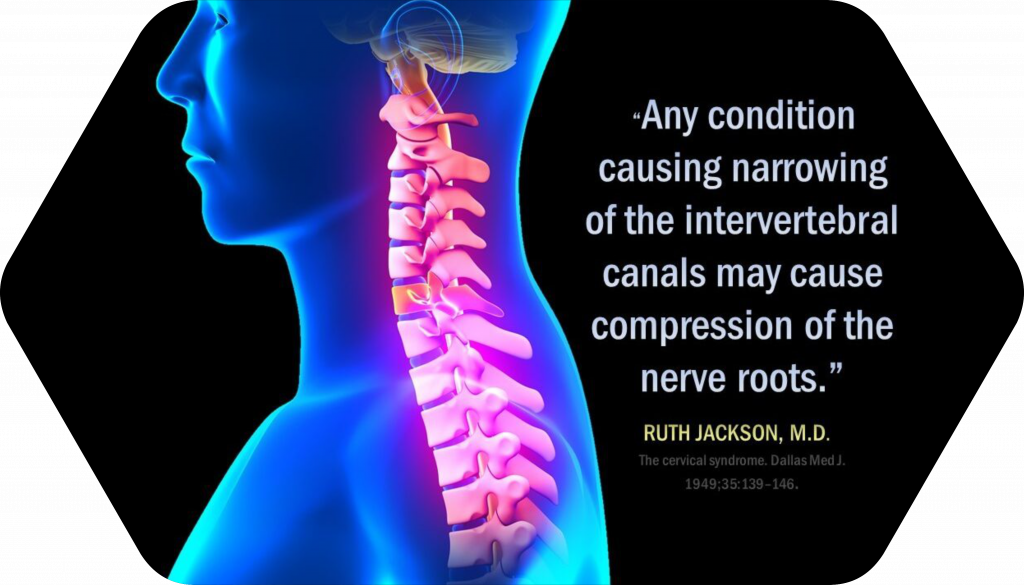
- Acoustic neuroma, migraines, cervicogenic vertigo and multiple sclerosis are all related to the central nervous system. Click here for a research abstract with respect to ” Cervical-induced vertigo may be caused by degenerative or functional disorders of the cervical spine”.
- With respect to cervicogenic vertigo producing dizziness that arises from the neck, irritation or injury to the joints… muscles or ligaments of the neck can overstimulate proprioceptors (nerve endings that detect position sense) in the neck giving rise to vertigo.
- Insufficient hydration tends to increase the frequency and intensity of vertigo episodes.
- Inner ear viral infection.
- Insufficient blood flow to the brain (ischemia).
- Vertigo can also be caused by a wide variety of medications such as antidepressants, anticonvulsants, antihypertensives, diuretics, barbiturates, salicylates (e.g., aspirin), sedatives or hypnotics, some antibiotics taken in high doses over prolonged periods of time can damage the vestibular system, some prescription and over-the-counter cold medicines, and some antibiotics and antineoplastics.
- Low blood pressure, low blood sugar (hypoglycemia), anemia, anxiety, multiple sclerosis, diabetes mellitus, hypothyroidism, high blood triglycerides, food allergies or gluten sensitivity, and various inner ear problems can also cause or worsen vertigo.
- Motor vehicle accidents, falls or other types of traumas or illnesses can also be associated with vertigo especially if they cause head trauma.
- To diagnose the cause of vertigo, your health care provider will perform an examination, including a variety of positioning tests, to check if they will reproduce the sensation of motion. Other tests may also be necessary and will require a referral to medical specialists.
Treatment:
Uncomplicated cervicogenic vertigo can be treated and well managed by a chiropractor incorporating: mostly painless and effective soft-tissue and muscle work such as trigger point release or stretching, and/or the Epley. Additionally, spinal and associated joint manipulation and adjustment, physiotherapy modalities and/or low-level laser acupuncture may also be utilized depending on the physical examination and any radiological findings. The goal is to balance the biomechanics of the neck and associated soft-tissues in order to promote a more rapid and complete recovery of the damaged tissues and any abnormal postural mis-alignments.
For Benign Paroxysmal Positional Vertigo (BPPV), the Semmont’s Maneuver or Epley’s Maneuver can be utilized (see below).
The treatment used obviously depends on the cause. Don’t rely totally on symptomatic relief such as taking tablets for this condition is not always the answer. That is why the chiropractor has to do a thorough consultation and examination when prospective patients first come in for treatment. In some cases a referral to your physician, neurologist or an ear/nose/throat (ENT) specialist may be required for further assessments especially if any ‘red flags’ are presented (see below). But, the good news is that the most common causes respond well to conservative care.
Vertigo Red Flags That Requires Medical Care:
By itself, vertigo is usually benign. However, if a patient experiences symptoms such as double vision, slurred speech, difficulty swallowing, numbness, nausea and/or unsteadiness when walking, (even if temporary), they should seek immediate emergency medical care.
Vertigo patients who present with the following signs should immediately go to the emergency room:
- double vision
- difficulty swallowing
- numbness
- headache
- fainting or collapse
- weakness
- nausea
- difficulty speaking such as slurred speech
- difficulty waking up or staying awake
- difficulty walking, even if temporary
- inappropriate actions
- difficulty controlling arms or legs
- abnormal eye movements
- patients experiencing progressive worsening of symptoms or dizziness accompanied with fever and/or infection should also see a medical doctor.
Meniere’s Disease is a disorder of the inner ear that causes severe dizziness (vertigo), ringing in the ears (tinnitus), hearing loss, and a feeling of fullness or congestion in the ear. Ménière’s disease usually affects only one ear. Ménière’s disease can develop at any age, but it is more likely to happen to adults between 40 and 60 years of age. Attacks of dizziness may come on suddenly or after a short period of tinnitus or muffled hearing. Some people will have single attacks of dizziness separated by long periods of time. Others may experience many attacks closer together over a number of days. Some people with Ménière’s disease have vertigo so extreme that they lose their balance and fall. These episodes are called “drop attacks.”
Benign Paroxysmal Positional Vertigo (BPPV) is one of the most common causes of vertigo and dizziness. BPPV means:
- Benign – a non-progressive condition
- Paroxysmal – sudden and unpredictable in onset
- Positional – episodes are caused by a change in head position
- Vertigo – a sense of dizziness or spinning.
Benign Paroxysmal Positional Vertigo
- About 65 percent of vertigo is diagnosed as Benign Paroxysmal Positional Vertigo (BPPV) that comes and goes based on head and neck position. When triggered, the dizziness can last a few seconds to a few minutes or even longer.
- Symptoms are commonly triggered by rising from sleep, tilting the head, rolling over in bed, looking up or sudden head motion. This type of vertigo is related to an inner ear problem and the most common cause is a sudden trauma (like a fall).
- BPPV is usually treated through the Epley maneuver—a procedure in which the patient is rapidly moved from lying on one side to lying on the other, to move the calcium debris to a less sensitive location in the inner ear.
- Studies show that up to 80 percent of patients recover after a single treatment with Epley maneuver. However, most BPPV cases respond to two to three treatments with Epley.
- Epley maneuver is contraindicated in patients with severe carotid stenosis, heart diseases and severe neck problems, such as cervical spondylosis with myelopathy or advanced rheumatoid arthritis.
- Even without treatment, BPPV tends to resolve in weeks or months and also has a tendency to recur.
- Vestibular rehabilitation exercises (called the Brandt-Daroff exercises) can also be performed at home to help treat BPPV.
BPPV is an inner ear condition that causes severe episodes of vertigo feeling like the room is spinning. While it can occur in children, the older you are the more likely it is that your dizziness is due to BPPV. About 50% of all dizziness in older patients is due to BPPV.
The inner ear is responsible for balance and motion sense of the head. Within the labyrinth of the inner ear are floating calcium carbonate crystals called otoliths (otoconia, or “ear rocks”). In BPPV, the otoliths are dislodged from their normal position and migrate into the semicircular canals. The semicircular canals are oriented at roughly ninety degrees to each others. They are filled with fluid called endolymph and also have sensory receptors that are stimulated during head movement to provide motion sense and balance. In BPPV, crystals in the semicircular canals are dislodged and stimulate sensory nerve receptors adversely giving rise to feelings of motion (vertigo) when there are none.
What are the causes of BPPV?
Generally about 20% of all cases of dizziness are due to BPPV and about 50% of all dizziness in older patients is also due to BPPV. Other common causes include acute vestibular neuronitis or labyrinthitis. In half of all cases, BPPV is called “idiopathic,” which means it occurs for no known reason.
The most common cause in the under 50’s is head trauma and whiplash injuries, which may eventually develop into or aggravate vertebral degenerative disc disease (osteoarthritis) of the neck (cervical spine) vertebrae. In older people, the most common cause is degeneration of the vestibular system of the inner ear and BPPV becomes much more common with advancing age.
There are other, more serious, causes of vertigo such as:
- A head injury
- Due to the ageing process
- Minor strokes
- A severe cold or virus
- Tumours
- Use of ototoxic medications, e.g. gentamicin, and
- Neurological diseases such as MS.
With these conditions there are other symptoms present as well and they are normally picked up in the chiropractic and neurological examination, sometimes requiring a referral for medical follow up.
A firm diagnosis and the right treatment can help you get rid of this disabling condition, and quickly. BPPV frequently goes undiagnosed and is treated symptomatically with medically prescribed drugs such as Stemetil and Compazine (prochlorperazine), a sedative, which can make you feel very tired. If you are prescribed this drug you should not operate machinery or drive, and, it can have many other side-effects.
Symptoms of BPPV can include the following:
- Severe but brief episodes of dizziness, without hearing loss or ringing in the ears
- Feeling light-headed
- A feeling of imbalance and nausea.
The symptoms usually start suddenly and often when waking from sleep. Episodes are triggered by changes in the position of the head such as getting out of bed or turning over in bed, tipping your head back to look up and certain Yoga or Pilates positions such as the ‘down dog’.
Testing to Diagnose BPPV:
Chiropractors are able to diagnosis this condition after taking a full case history and performing a physical and neurological examination. Specific tests, such as the hallmark ‘Dix-Hallpike Maneuver’, if positive, is used to differentiate peripheral from central vertigo. This test will reliably provoke the vertigo and cause rotary or horizontal nystagmus (involuntary eye movement). It also determines the side of ear involvement. Click here to view the Dix-Hallpike Maneuver to test and diagnose BPPV dizziness.
IMPORTANT: Please note that feeling dizzy in the absence of Nystagmus is not considered diagnostic for BPPV. Eye twitching MUST be present for BPPV to be diagnosed.
Treatment of BPPV:
BPPV can be corrected using either Semmont’s Maneuver or Epley’s Maneuver. These maneuvers are simple and well tolerated in the majority of patients.
The chiropractor will assist the patient to slowly move their body, head and neck into specific and appropriate ‘re-positioning’ positions depending on what has previously been found in the assessment. Using gravity, the floating calcium carbonate crystals (otoliths) in the endolymph of the semicircular canals that stimulate the sensory nerve receptors are encouraged to move away into the correct location in an area of the inner ear where they will, hopefully, cause no further symptoms of vertigo.
Following the procedure, the patient is instructed to avoid sudden movements and to sleep for 2 nights in a recumbent position. This procedure has a 90% success rate and often only one treatment is required. If the dizziness returns, the procedure is repeated.
If chiropractic care requires adjunctive therapy, then the chiropractor may also recommend a medical referral to a qualified physiotherapist (PT) or an occupational therapist (OT) to provide an assessment and develop an individualized treatment plan called Vestibular Rehabilitation Therapy (VRT) (Vestibular Physiotherapy) that includes specific head, body, and eye exercises to be performed both in the therapy setting and at home. Click here to download the “Vestibular Rehabilitation Therapy (VRT)” publication.
Click here to watch a demonstration of the standard ‘Epley’ Maneuver to treat Posterior Canal BPPV for patients with ‘rotatory/torsional’ nystagmus. Click here to watch a demonstration of the Epley Maneuver called the ‘Lempert (BBQ)’ Maneuver to treat Lateral Canal BPPV for patients with ‘lateral/horizontal’ nystagmus. Click here to watch a demonstration of the Epley Maneuver called the ‘Deep Head-Hanging’ Maneuver to treat Superior Canal BPPV for patients with ‘vertical’ nystagmus.
The treatment is very effective and within 3-4 treatments, 80% are symptom free. The symptoms can recur and research shows a relatively low recurrence rate of about 15 percent per year.
Nutrition and Stress Reduction:
- Alcohol, nicotine, fried foods and excessive salt intake are potential sources of trouble for patients of vertigo.
- Vincopectine, vitamin B6 and ginkgo biloba may be helpful in reducing vertigo.
- Chromium may be helpful in patients whose vertigo is caused by a blood sugar imbalance.
- Physical exercise and meditation, adequate sleep and other stress reduction techniques can all help contribute to recovery from vertigo and should be a part of the treatment regimen.
- Your doctor of chiropractic can help create an appropriate exercise program for you and counsel you regarding healthy lifestyle and stress relief.
Click here for link to vertigo and pain caused by neck movement and problems with the spinal neck vertebrae.
Click here for link and video: “Colorado Doctor Discovered Natural Way To Treat Common Vertigo”.
Click here for Vertigo BPPV Treatment with Simple Self-Directed Exercise.
Click here to read a well written booklet that provides information on dizziness and balance problems.
Click here for an important systematic review regarding “Manual therapy with and without vestibular rehabilitation for cervicogenic dizziness.”
Click here for a case report on the effectiveness of chiropractic management of a patient suffering with BPPV.
This booklet provides information on dizziness and balance problems. It provides information on
- the symptoms of dizziness
- how the balance system works
- the tests you might need
- the conditions that can cause dizziness and balance problems, and
- the treatments that might help.
Sources of further support and information are listed in the Useful Contacts section.
This booklet provides information on dizziness and balance problems. It provides information on
- the symptoms of dizziness
- how the balance system works
- the tests you might need
- the conditions that can cause dizziness and balance problems, and
- the treatments that might help.
Sources of further support and information are listed in the Useful Contacts section.
Chiropractic treatment might not be the first thing you think of if you have dizziness, but the maneuvers and treatment used is the same as you would have if you go to medical clinicians who specialize in these conditions.
Chiropractic is not suited for all types of dizziness, but if we can’t help you we will refer you back to your medical physician for further testing and a possible referral to a neurologist.
It’s hard to focus on anything when the room feels as if it’s constantly spinning due to vertigo. The condition affects nearly 40 percent of us at some point in our lives, according to University of California San Francisco Health. If vertigo has disrupted your life, chiropractic treatment may offer the relief you desperately need.
When You Can’t Get Off the Merry-Go-Round
Vertigo can make you feel as if you’re on an amusement park ride that never ends. In addition to the spinning sensation, you may also experience dizziness, nausea, vomiting, difficulty walking and speaking, headaches, sweating, and jerky eye movements.
Medications can stop or reduce nausea and vomiting and help you feel less dizzy, but your symptoms may return if you stop taking the medication. Chiropractic treatment targets the source of your problem without the use of medication.
Common Causes of Vertigo
Vertigo can be caused by:
- Injuries. You may first notice vertigo after a head or neck injury.
- Misalignments and Dislocations. Vertigo may be more likely to occur if your spine isn’t aligned properly or your vertebrae are dislocated.
- Inner Ear Problems. Your inner ear plays an important role in balance. Infections and conditions that affect the inner ear can be the cause of vertigo.
- Meniere’s Disease. The disease causes vertigo, ringing in your ears and hearing loss.
- Benign Paroxysmal Positional Vertigo (BPPV). BPPV can be caused by aging or head trauma and occurs when calcium carbonate crystals in the inner ear become dislodged and enter the semicircular canals deep inside your ears. The crystals interfere with the normal movement of fluid in the canals, triggering vertigo symptoms.
- Your Habits. Vertigo can sometimes occur if your diet is unhealthy or you consume or use caffeine, alcohol or other substances that affect the nervous system.
A Visit to the Chiropractor Can Improve Your Symptoms
Chiropractors offer several treatments that may relieve your vertigo. If you’ve injured your neck or head or have a spinal misalignment, a chiropractic adjustment may ease your symptoms. During the adjustment, your doctor uses his hands or a small instrument to gently realign your spine. If the joints in your neck don’t move properly, your brain may misinterpret the information it receives from your body. Adjustments can improve movement in joints and reduce vertigo.
Results of a feasibility study published by the Journal of Chiropractic Medicine confirmed that spinal adjustments can be helpful in treating vertigo symptoms. After chiropractic treatment for 13 months, most subjects noticed improved balance. Less dizziness and neck pain were also reported.
You may benefit from the Epley maneuver if BPPV is the cause of your vertigo. The maneuver is designed to re-position the crystals in your inner ears. Your chiropractor moves your body through a series of quick position changes that take advantage of the effects of gravity to restore normal crystal position. You may also be taught a few exercises you can do at home that will reduce vertigo.
If your chiropractor believes that diet or stress may cause or contribute to your condition, he or she can offer healthy eating tips or recommend a few helpful stress-relief techniques and activities.
Do you suffer from vertigo? Chiropractic care offers a natural solution for your condition. Contact us to schedule an appointment.
Sources:
Journal of Chiropractic Medicine: Effects of Chiropractic Care on Dizziness, Neck Pain, and Balance: A Single-Group, Preexperimental, Feasibility Study, 12/09
https://www.ncbi.nlm.nih.gov/pmc/articles/PMC2786230/
Medical News Today: What’s to Know About the Epley Maneuver, 8/30/17
https://www.medicalnewstoday.com/articles/319171.php
It is pretty easy to know if you are suffering from vertigo by looking for the telltale signs: dizziness accompanied by a spinning sensation. Vertigo may also cause a number of other symptoms, such as:
- Headache;
- Tinnitus;
- Nausea;
- Vomiting;
- Sweating;
- Swaying;
- Inability to balance.
Vertigo is a common symptom in patients who have endured trauma to the neck or head; often, this is due to a disturbance in the nerve pathways exiting the spinal column.
More commonly, though, vertigo may be caused by damage or disruption in your vestibular system, or inner-ear. Ear infections, pressure changes, and the movement of particles within the inner-ear can all affect your level of dizziness.
Chiropractic Care As An Intervention For Cervicogenic Dizziness
Cervicogenic dizziness is characterized by the presence of imbalance, unsteadiness, disorientation, neck pain, limited cervical range of motion (ROM), and may be accompanied by a headache. Movements of the head and neck may also aggravate symptoms. The symptoms of cervicogenic dizziness can last from several minutes to several hours. It is not a common diagnosis, and the patient may also feel generalized sensations of imbalance. This imbalance may also be worsened with ranges of motion in the head and neck, or movement in the environment.
As portal-of-entry healthcare providers, doctors of chiropractic frequently evaluate patients presenting with complaints of dizziness. Although often benign, dizziness can be caused by serious, emergent conditions, and this requires that healthcare providers pay close attention and look for red-flag signs and symptoms, including neurologic dysfunction and alterations in cognitive function.
The clinician must differentiate a central (serious) cause of dizziness/vertigo versus a peripheral (more likely benign) cause of dizziness/vertigo. Dr. Mark Pfefer, director of research at Cleveland University-Kansas City (CUKC) was part of a team assessing the effects of chiropractic care on impaired balance, chronic pain, and dizziness in older adults.
Dizziness is a common complaint among older adults, and in this 2009 study, it was determined that chiropractic care was often helpful in lessening the sensations of dizziness.
Pfefer also co-authored a case study in which a patient with cervicogenic dizziness combined with cervicogenic headache responded well to a chiropractic intervention. It is likely that many patients with dizziness who respond well to chiropractic care are actually suffering from cervicogenic dizziness, which means that cervical spine (neck) joint dysfunction may be contributing to the dizziness.
“After potentially serious causes are ruled out, patients and primary care physicians should consider a trial of care involving a manual therapy approach, especially from a well-trained, evidence-based chiropractor or physical therapist, as patients with benign dizziness will often improve with this treatment,” Pfefer said.
Numerous medical conditions exist that present with a patient complaint of dizziness, including vestibular, cardiovascular, metabolic, neurological, psychological, vision problems, and medication side effects. As early as 1955, researchers Ryan and Cope described a type of dizziness syndrome consisting of imbalance and disorientation in people with many different neck diagnoses, including cervical trauma, cervical spondylosis or cervical arthritis. The term Ryan and Cope used to describe this condition is “syndrome cervical vertigo.” The term cervicogenic dizziness (abbreviated CGD) is the appropriate and current terminology, as true spinning vertigo is rarely associated with neck- or cervical spine-related dizziness (as referenced in Reiley et al, 2017).
Cervicogenic dizziness
- History of neck trauma, muscle spasm
- Limited cervical ROM
- Positive chair rotation test (Fitz-Ritson)
- Patients may complain of disequilibrium (tilt) more than rotational vertigo
- Overstimulation of upper cervical proprioceptors
- May overlap BPPV or Meniere’s disease
No single diagnostic test exists to confirm that dysfunction in the cervical spine is the cause or origin of the dizziness episodes. A diagnosis of CGD is one of exclusion, requiring a comprehensive history and evaluation to rule out other medical diagnoses that could contribute to the patient’s episodes of dizziness.
Neck injuries such as acceleration-deceleration injuries or trauma, or head injuries such as concussion, can also injure the brain or inner ear. As a result, it is imperative that the healthcare professional determine the appropriate clinical, laboratory, and imaging tests required for proper medical inclusion and exclusion diagnostic criteria.
Dr. Anne Maurer, an instructor at CUKC, says dizziness is a relatively common and disabling disorder seen in clinics that provide manual therapy and chiropractic care.
“Although there is debate regarding the diagnostic criteria for cervicogenic dizziness, pain and other noxious stimuli may lead to changes in the sensory input to the cervical (neck) spine, resulting in a sensation of dizziness,” Maurer said. “The cervical proprioceptive system is related to the vestibular system in both anatomical proximity and physiologic functions. Appropriate treatment by properly trained clinicians can often be a simple and effective solution to the patient’s complaint.”
There is currently a need for further investigation, research, and the development of a thorough, stepwise process for determining the inclusion and exclusion criteria of the differential diagnoses of cervicogenic dizziness. CUKC is undertaking additional studies to refine assessment and evaluate outcomes in older patients with dizziness, neck pain and headaches.
We welcome collaborative researchers who are interested in this topic. Please feel free to contact Pfefer at mark.pfefer@cleveland.edu.
What is the home Epley maneuver?
The home Epley maneuver is a type of exercise help that helps to treat the symptoms of benign paroxysmal positional vertigo (BPPV). You can do this exercise at home.
BPPV is caused by a problem in your inner ear. Your semicircular canals are found inside your ear. They detect motion and send this information to your brain. The utricle is a nearby part of the ear. It contains calcium crystals (canaliths) that help it detect movement.
Sometimes these crystals detach from the utricle and end up inside the semicircular canals. When these crystals move inside the canals, they may send incorrect signals to your brain about your position. This can make you feel like the world is spinning. This is called vertigo.
Dr. John Epley designed a series of movements to dislodge the crystals from the semicircular canals. These movements bring the crystals back to the utricle, where they belong. This treats the symptoms of vertigo.
The original Epley maneuver was designed to be done with a healthcare provider. The home Epley maneuver is similar. These are a series of movements that you can do without help, in your own home.
Why might I need the home Epley maneuver?
You may need to try the home Epley maneuver if you have symptoms of BPPV. In BPPV, vertigo may come on with certain head movements. It may last for up to a minute. These symptoms may be more frequent at times. You may also have nausea and vomiting.
Often BPPV happens without any known cause. Sometimes there is a cause. Causes of BPPV can include:
- A head injury
- Problems after ear surgery
The home Epley maneuver is safe and inexpensive. It often works well to treat the symptoms of BPPV.
Your healthcare provider may suggest the home Epley maneuver if your health history and physical exam support that you have BBPV. Your healthcare provider may also suggest that you see a vestibular therapist for treatment.
Your healthcare provider may first do the original Epley maneuver in his or her office. He or she may teach you the home Epley maneuver. You may need to do the home Epley maneuver if you still have symptoms after you leave your healthcare provider’s office. It may also be useful to know how to do this maneuver if your BPPV comes back after a few months or years.
What are the risks of home Epley maneuver?
The home Epley maneuver is safe. It may be helpful to have someone at home with you while you go through the movements. This can give you peace of mind in case your vertigo gets worse in the middle of the treatment.
People with health conditions that limit their ability to move may not be able to do the home Epley maneuver safely. These issues can include neck or back disease, vascular conditions, and retinal detachment. Ask your healthcare provider if the home Epley maneuver is safe for you.
How do I get ready for the home Epley maneuver?
You can do the home Epley maneuver on a bed. You start by sitting on the bed. You need to have a pillow in place so that when you lie back it will be under your shoulders.
What happens during the home Epley maneuver?
You may find it helpful to watch a video of the home Epley maneuver first. Or read a brochure with pictures.
Your healthcare provider will tell how often to do this procedure. He or she may ask you to do it 3 times a day until your symptoms have been gone for 24 hours. Your healthcare provider will also tell if your right or left ear is causing your symptoms.
Follow these steps if the problem is with your right ear:
- Start by sitting on a bed.
- Turn your head 45 degrees to the right.
- Quickly lie back, keeping your head turned. Your shoulders should now be on the pillow, and your head should be reclined. Wait 30 seconds.
- Turn your head 90 degrees to the left, without raising it. Your head will now be looking 45 degrees to the left. Wait another 30 seconds.
- Turn your head and body another 90 degrees to the left, into the bed. Wait another 30 seconds.
- Sit up on the left side.
Follow these steps if the problem is with your left ear:
- Start by sitting on a bed.
- Turn your head 45 degrees to the left.
- Quickly lie back, keeping your head turned. Your shoulders should now be on the pillow, and your head should be reclined. Wait 30 seconds.
- Turn your head 90 degrees to the right, without raising it. Your head will now be looking 45 degrees to the right. Wait another 30 seconds.
- Turn your head and body another 90 degrees to the right, into the bed. Wait another 30 seconds.
- Sit up on the right side.
What happens after the home Epley maneuver?
Most people say their symptoms go away right after they do the maneuver. In some cases, it may take a few times for the procedure to work. Some people may have mild symptoms for a couple of weeks. Once your symptoms go away, there is no need to keep doing the maneuver.
Your healthcare provider may suggest avoiding certain positions for a while after your symptoms have gone away. For instance, you may need to sleep propped up on 2 pillows, to keep your neck from extending straight.
If you still have symptoms after doing the home Epley maneuver, call your healthcare provider. You may not be doing the maneuver the right way. Or you may have another problem that’s causing your symptoms of vertigo. The home Epley maneuver only works to treat vertigo from BPPV. But many other conditions can cause vertigo.
You should be able to be active after doing the home Epley maneuver. Make sure your vertigo has really gone away before doing anything dangerous, such as driving.
With the help of the home Epley maneuver, your vertigo may go away for weeks or even years. BPPV often comes back, though. This might happen if another calcium crystal ends up in your semicircular canals. If your vertigo comes back, do home Epley maneuver again to see if your symptoms go away. If the maneuver doesn’t work, call your healthcare provider.
Although not dangerous in and of itself, vertigo can be extremely disruptive to everyday life. The sense of movement when you’re not moving or the spinning sensation that often accompanies vertigo can make it hard to do even simple tasks. Not to mention nausea and vomiting that may occur, as well. Luckily, there are things chiropractors can do to help make vertigo a thing of the past. Read on to discover 11 ways chiropractic treats vertigo fast and effectively.
Can a Chiropractor Help With Vertigo?
Although vertigo is not high on the list of reasons people visit a chiropractor, those that do visit a doctor of chiropractic report high instances of relief. Those suffering from dizziness or balance problems who visit chiropractors find more relief, when compared to other health professionals. This is according to a 2008 study of the findings of the National Health Interview Survey.
According to the study, chiropractors can help with vertigo and fall prevention. And they generally do so at a higher rate than other health professionals. Here are 11 tactics they use.
1. Spinal Adjustments
Spinal adjustments can provide many benefits to the patient, including the treatment of vertigo. The spine houses the central nervous system, which allows the brain to communicate with the body. However, when there is a subluxation, or an abnormal positioning of the vertebrae of the spine, this communication can be hindered.
These subluxations can directly or indirectly contribute to dizziness and vertigo. Indirectly, such as in the case of vertigo caused by an ear infection, fixing the subluxation with non-invasive and safe spinal manipulation can promote healing and recovery. However, this is not the only way chiropractic can treat vertigo. It’s simply one of many tools available.
2. The Epley Maneuver
The Epley maneuver is best for those suffering from Benign Paroxysmal Positional Vertigo (BPPV). This type of vertigo is caused by the buildup of calcium crystals in your inner ear, which can interfere with your sense of balance. The maneuver is best done with someone to help you, which is where the chiropractor comes in. He or she can show you how to properly do the maneuver, and then you can continue it at home. This method has been shown to be very effective in treating BPPV.
3. Fixes Nerve Interference
Nerve interference, especially in the upper neck, can cause symptoms of vertigo. Vertigo resulting from irritated nerves in the upper neck are called cervicogenic vertigo syndromes. This type of vertigo is generally caused by injury or trauma to the neck and poor posture. What the chiropractor does in this case is focus on returning the vertebrae of the neck to its proper position with manual manipulation techniques. When the vertebrae are back in alignment, the nerves will no longer be irritated and the vertigo symptoms will subside.
4. Boosts Your Health
Sometimes vertigo-like symptoms of dizziness and nausea can be caused by small health issues. Things like a lack of sleep, poor diet, little or no exercise, dehydration, and stress can make the body do strange things. This is why chiropractic care is often invaluable. Doctors of chiropractic are thorough and detailed because they want to make sure the body as a whole is healthy.
Spinal manipulation can boost your immune system, chiropractic massage can relieve stress and flush toxins, and nutrition tips can get you on a path to better health. Plus, it can all come together to help you sleep better and feel more energized every day.
5. Stretches and Exercises
Depending on the type of vertigo you have, your chiropractor will most likely give you simple stretches and exercises to do at home. Many people find that their vertigo goes away in as little as two weeks when they stick to the exercises given to them by their chiropractor.
6. Stress Relief
Most people know how bad stress is for the body, but did you know that stress may cause a type of vertigo associated with Meniere’s disease? You can actually get dizzy from stress! And for most of us, stress is nearly unavoidable. Or at least we think it is. Luckily, chiropractic treatment can help you manage and relieve stress.
One of the best ways to do this is with a chiropractic massage. But many people also feel less stressed after a spinal manipulation session. This is because we tend to hold stress in our backs, developing physical symptoms that make it hard to relax. This also often makes it hard to sleep, which is a major factor in the buildup of stress. One thing is definitely sure: less stress is always a good thing for your health.
7. Nutrition Tips
Many chiropractors are certified nutritionists— or at least have one on staff. This is because chiropractic care views the body as one unit. Changes in one part of the body can affect seemingly unrelated changes in another part. This is especially true for the food we eat.
Dietary changes may not be appropriate for every type of vertigo. However, nutrition can play a role in Meniere’s disease and vertigo caused by migraines. Plus, healthy eating can never hurt. It can only help!
8. Fixes Your Posture
One of the main things chiropractors look at during a diagnosis is posture. Poor posture is a big problem around the world because of the hunched posture we tend to assume at the computer or on our phone. And poor posture can cause nerve irritation in the spine, which may cause vertigo. Luckily, chiropractors know just what to do to get your posture back into shape with exercises, spinal manipulation, and stretches.
9. The Brandt-Daroff Habituation Exercise
This simple exercise is another staple for treating vertigo by chiropractors. In fact, you don’t necessarily need to do this under a doctor’s supervision. It’s simple and safe enough to do at home. However, it has been known to make people dizzy for up to 30 minutes after performing. It’s a case of things getting worse before getting better. But, for most people, the Brandt-Daroff Habituation Exercise is effective in treating vertigo. Here’s how it’s done.
- Sit on a flat surface. A bed is preferable. Your feet should be flat on the floor.
- Turn your head all the way to the right and then slowly lay down on your left side without moving your legs and keeping your head turned to the right. Hold for 30 seconds.
- Sit up again and turn your head back to center. Hold for 30 seconds.
- Repeat on the other side, turning your head to the left and lying down on your right side.
- Repeat the steps above five times each session, two or three sessions a day until your vertigo goes away. This may take up to two weeks.
10. The Semont Maneuver
The Semont Maneuver is similar to the Epley maneuver. If you have no luck treating your BPPV with the Epley maneuver, your chiropractor may try the Semont maneuver next. It is a little bit harder to do on your own, as it involves the doctor of chiropractic moving you quickly from sitting to lying positions with your head at a certain angle. It’s designed to move the calcium crystals out of your inner ear to cure your vertigo.
11. Chiropractic Massage
We’ve mentioned chiropractic massage in passing a few times in this article. The fact is that it’s a powerful method that can not only help fix vertigo, but it can also help boost health and wellness in general.
This type of massage is often accompanied by spinal manipulation in order to get the muscles around the spine healthy and functioning properly. Oftentimes our back muscles are tensed and cramped without us even knowing it. Chiropractic massage allows those muscles to get back to normal. It also has the added benefits of relieving stress and helping to flush toxins for the body that have built up in the muscles.
Resources:
https://bjgp.org/content/69/678/e52
https://www.ncbi.nlm.nih.gov/pmc/articles/PMC2786230/
https://www.sciencedirect.com/science/article/abs/pii/S1556370710000118