





Chiropractic and Migraines
Migraine affects more than one billion individuals each year across the world, and is one of the most common neurologic disorders, with a high prevalence and morbidity, especially among young adults and females. Migraine is associated with a wide range of comorbidities, which range from stress and sleep disturbances to suicide. The complex and largely unclear mechanisms of migraine development have resulted in the proposal of various social and biological risk factors, such as hormonal imbalances, genetic and epigenetic influences, as well as cardiovascular, neurological, and autoimmune diseases. This review presents a comprehensive review of the most up-to-date literature on the epidemiology, and risk factors, as well as highlighting the gaps in our knowledge.
.
Causes of Migraine
Understanding the Causes of Migraine Attacks
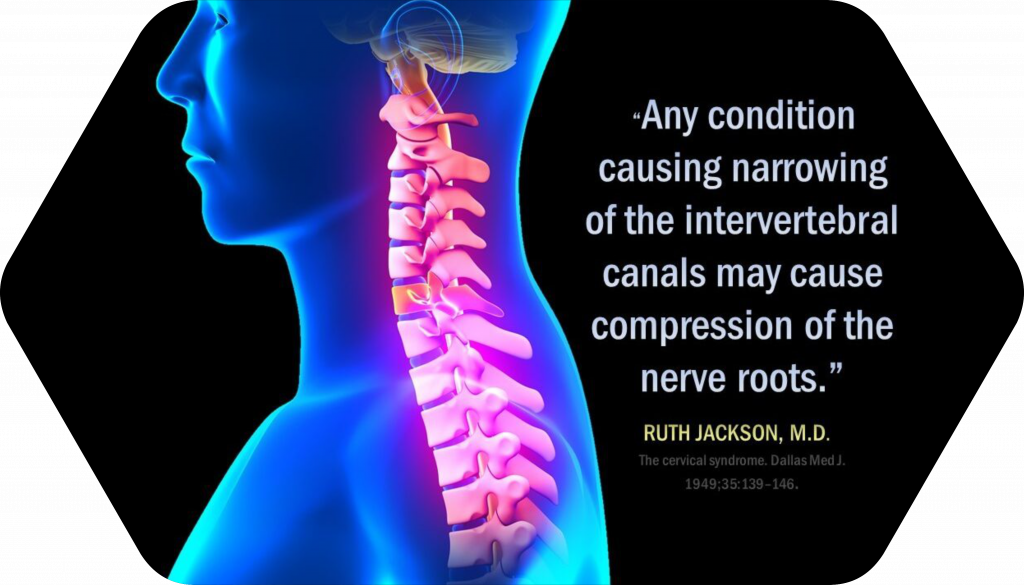
Migraine attacks have various contributing factors. While genetics play a role in determining susceptibility to migraine attacks, triggers such as stress, hormonal changes, and certain foods can also initiate an attack. Additionally, research has shown that spinal misalignments, also known as subluxations, can contribute to the development and severity of migraine attacks.
For example, studies have found that individuals with misalignments in the upper cervical spine, particularly in the neck region, are more likely to experience migraine attacks. These misalignments can disrupt the normal flow of nerve signals and increase the sensitivity of the nervous system to migraine triggers.
How Chiropractic Adjustments Can Help
Chiropractic adjustments involve the skilled manipulation of the spine to restore proper alignment. By addressing spinal misalignments, chiropractors can alleviate nerve interference that may be contributing to your migraine attacks.
Through gentle and precise adjustments, chiropractors help restore flexibility and mobility to the spine. This realignment reduces nerve irritation and inflammation, allowing the nervous system to function optimally. As a result, the frequency, duration, and intensity of migraine attacks can be significantly reduced.
Research Supporting the Effectiveness of Chiropractic Care
The effectiveness of chiropractic care for relieving migraine attacks is supported by a growing body of research. Several clinical trials and studies have demonstrated positive outcomes. For instance, a study published in the Journal of Manipulative and Physiological Therapeutics found that participants who received chiropractic adjustments experienced a significant reduction in the frequency and severity of migraine attacks compared to those who did not receive chiropractic care.
Case studies and patient testimonials further illustrate the benefits of chiropractic care for migraine attacks. For example, Sarah, a longtime migraine sufferer, found significant relief from her migraine attacks after incorporating chiropractic adjustments into her treatment plan. She reported a noticeable decrease in the frequency and intensity of her migraine attacks, allowing her to regain control of her life and engage in activities she previously had to avoid.

Chiropractic and Migraines: the Research
Many research studies support the use of chiropractic for the management of migraine headaches. Let’s take a look at the conclusions from few of these research articles.
In an Evidence Report published by Duke University Evidence-Based Practice Research Center for Clinical Health Policy Research, the effects of drug-free options for headache are discussed. The authors concluded the following: “Cervical spine manipulation was associated with improvement in headache outcomes in two trials involving patients with neck pain and or/neck dysfunction and headache. Manipulation appeared to result in immediate improvement in headache severity when used to treat episodes of cervicogenic headache when compared with an attention-placebo control. Furthermore, when compared to soft tissue therapies, a course of manipulation treatments resulted in sustained improvement in headache frequency and severity.”
McCrory DC, Penzien DB, Hasselblad V, Gray RN. Evidence Report: Behavioral and Physical Treatment for Tension-Type and Cervicogenic Headache. Duke University Evidence-Cased Practice Research Center for Clinical Health Policy Research.
“There was no advantage to combining amitriptyline and spinal manipulation for the treatment of migraine headache. Spinal manipulation seemed to be as effective as a well-established and efficacious treatment (amitriptyline), and on the basis of a benign side effects profile, it should be considered a treatment option for patients with frequent migraine headaches.”
The efficacy of spinal manipulation, amitriptyline and the combination of both therapies for the prophylaxis of migraine headache. Nelson CF, Bronfort G, Evans R, Boline P, Goldsmith C, Anderson AV.
J Manipulative Physiol Ther. 1998 Oct;21(8):511-9.
“Evidence suggests that chiropractic care, including spinal manipulation, improves migraine and cervicogenic headaches.”
Evidence-based guidelines for the chiropractic treatment of adults with headache.
Bryans R, Descarreaux M, Duranleau M, Marcoux H, Potter B, Ruegg R, Shaw L, Watkin R, White E.
J Manipulative Physiol Ther. 2011 Jun;34(5):274-89.
“Migraine occurs in about 15% of the general population. Migraine is usually managed by medication, but some patients do not tolerate migraine medication due to side effects or prefer to avoid medication for other reasons. Non-pharmacological management is an alternative treatment option. We systematically reviewed randomized clinical trials (RCTs) on manual therapies for migraine. The RCTs suggest that massage therapy, physiotherapy, relaxation and chiropractic spinal manipulative therapy might be equally effective as propranolol and topiramate in the prophylactic management of migraine.”
Manual therapies for migraine: a systematic review. Chaibi A, Tuchin PJ, Russell MB. J Headache Pain. 2011 Apr;12(2):127-33
