

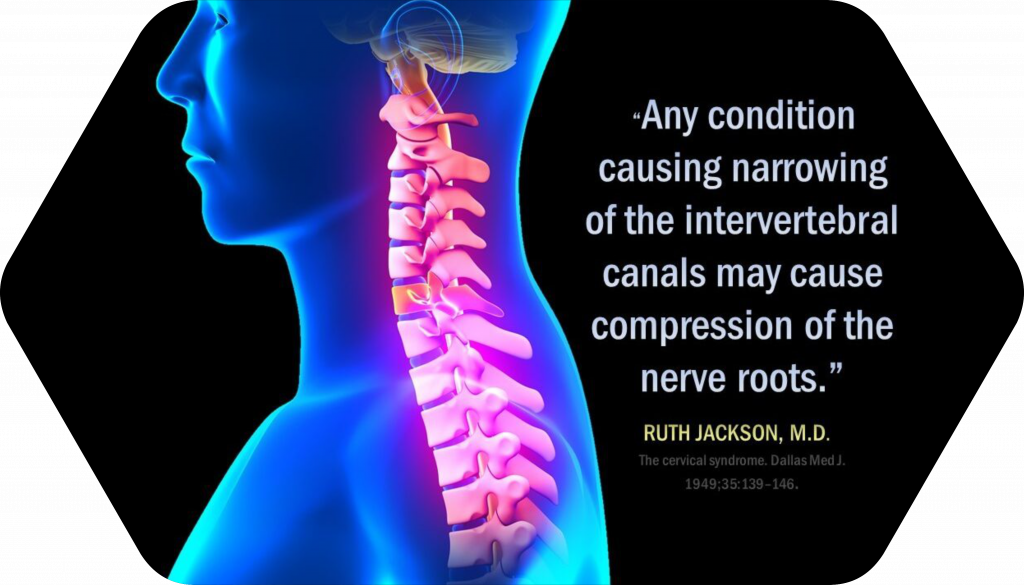
Spinal stenosis is defined as the narrowing of the spinal cord canal and/or the nerve root canals. Spinal stenosis can cause back, arm and leg pain, numbness and tingling, as well as weakness and muscle spasms when there is compression on the spinal cord or the spinal nerve roots as they exit the spine. Spinal stenosis can cause lack of control and function of the muscles and organs in the body, and in severe cases, paralysis.
The spinal column is designed to house the nerves and shield them from damage as they travel from the brain to the point in the spine where they exit to control the functions of your muscles and organs, and coordinate that with your brain. Your nervous system, which is consists of the nerves, spinal cord, and brain, controls the function of every organ and muscle in your body. If spinal stenosis causes the nerves to be pinched or compressed, your health and ability to function properly will be negatively impacted.
What is Spinal Stenosis?
In the normal uninjured spine, there is adequate space for the disc and the nerves to co-exist together so our body’s nervous system works painlessly. However, spinal stenosis is when there is a disturbance to that space – if a disc is prolapsed (e.g. lumbar slipped disc) due to many reasons, it can compromise the space in the spine. The bulging disc begins to pinch on the surrounding nerves or spinal cord and cause pain in the lower back or down the legs (lumbar spinal stenosis causing sciatica). Other than the back, it can also occur in the neck (cervical spinal stenosis).

Who gets Spinal Stenosis?
There are several factors that increase a person’s chances of developing spinal stenosis. The more boxes you tick off, the higher the incidence of spinal stenosis happening in that population!
- Ages 50 and above
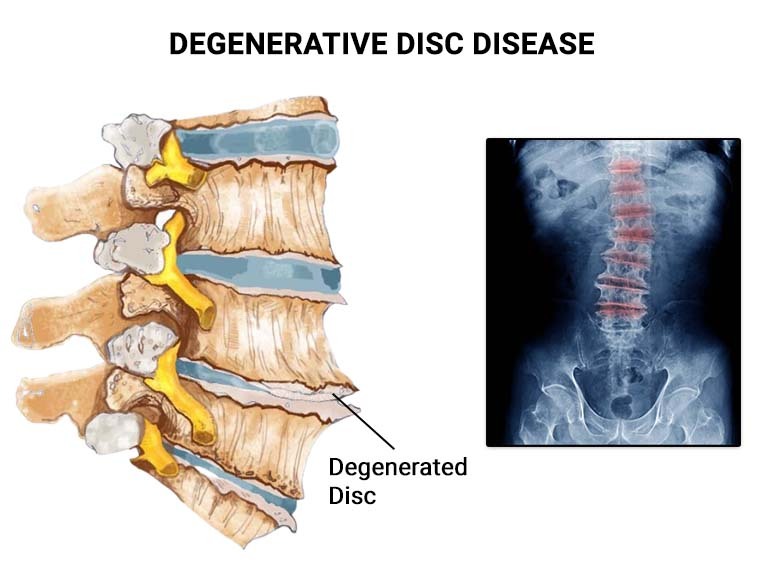
- Spinal stenosis usually develops slowly over time, even before symptoms like back pain start to occur. The natural ageing of the spine causes the spaces in between the spinal bones to become smaller, and the compression onto the discs can create pinching along the surrounding nerve or joint structures.
- History of previous injury to the spine, or previous low back pain episodes
- Events like trauma to the spine through falls or accidents may cause increased sensitivity of the nerves & spine even months or years after the injury has healed. Those with previous low back pain are also at higher risk of recurrence! Experiencing more than 2 previous episodes of low back pain triples the odds of a recurrence within 1 year [1].
- Having other spine conditions like scoliosis
- Scoliosis (the sideways curvature of the spine) can also contribute to spinal space narrowing and increase risk of nerve root entrapment.
Types of Spinal Stenosis
Spinal stenosis can occur in the neck (called ‘cervical spinal stenosis’) or in the lower back (called ‘lumbar spinal stenosis’). In either the neck or lower back, spinal stenosis can be divided into three types: Central stenosis, Lateral Stenosis, and Foraminal Stenosis.

- Central Stenosis
Central means that there is narrowing the central spinal canal itself where the spinal cord runs through (the spinal cord is the main ‘master cord’ of the nervous system that connects directions from the brain to generate activity and sensation in the rest of the body). This can happen from central disc bulges, or thickening of the ligaments in the spinal canal that start to crowd into the spinal cord
- Foraminal stenosis
- ‘Foraminal’ indicates the intervertebral foramen, which are the exiting holes for nerves to pass through that are located on either side of the vertebra (bones in the spinal column where the discs lie sandwiched in between). The narrowing of the foramen spaces can happen from discs that bulge laterally or sideways, move into the space of the foramen, and pinch onto the right or left nerves.
- Lateral recess stenosis
- Lateral recess refers to the ‘lateral’ or side structures, which are usually the facet joints. Facet joints are what help the spinal column to move side-to-side or turn to the left or right – consider them the hinges in the spine that allow movement. When bone spurs (osteophytes) or thickening of those ‘hinges’ occur due to degeneration, it can also crowd the spaces where nerves would normally pass through smoothly.
Symptoms of Spinal Stenosis
There are some classic spinal stenosis symptoms that those experiencing it will have. Remember, the stenosis most often pinches onto nerves or the spinal cord; hence, symptoms that occur will be related to the nerves. Nerves supply our muscles to help us move, and also our sensation to help us feel.
- Neck spinal stenosis (Cervical)
- Neck pain
- Neck is stiff, or difficult to move
- Pain may travel down the arm and into the fingers, on either the right or left
- Pain may also travel down the shoulder blade towards the mid-back
- Pain usually feels sharp, shooting, and with electricity-like sensations
- Numbness can happen in the forearm or fingers
- Weakness, difficulty gripping or raising the arm, feeling like the arm has ‘no strength’
- Arms or hands/fingers feel like they are ‘cramping’
- Difficulty sleeping
Compression happening over the front (anterior) of the spinal cord typically causes motor dysfunction (e.g. weakness). Compression at the back (posterior) usually leads to sensory problems (e.g. sharp pain down the arm). Stenosis can happen in the front and back of the spinal canal, and severe cervical spinal stenosis can cause difficulty walking.
- Lower back spinal stenosis (Lumbar)
- Back pain
- Back stiffness, sleeping is difficult, turning in bed can wake you up
- Pain may travel down the legs to the foot and toes (sciatica)
- Pain usually feels sharp, shooting, with electricity-like sensations – worsening when you twist or bend forward’
- Cramping sensation in the muscles down the legs
- Weakness in the legs which can affect walking
In severe cases of lumbar spinal stenosis, it can cause neurogenic claudication where pain is dominant in the calf and relieved by bending forward. Rarely, severe cases can also cause cauda equina syndrome, where there is bladder & bowel disturbances, sexual dysfunction, and potential paralysis.
Causes of Spinal Stenosis
- Overgrowth of bone (Arthritic spurs): Long-term loading on the spine causes the joints to rub against each other and results in bone overgrowth (osteophytes or bone spurs) that crowd the space in the spinal foramen.
- Herniated Discs: Discs that bulge out also may impinge the nerves.
- Thickened Ligaments: Ligaments that hold the spine together may thicken over time, just like osteophyte formation, and bulge into the spinal canal space.
- Tumours (Spinal cord cysts/tumours): These growths can be benign or cancerous, and their growth narrows out the space available for the spinal cord and nerves to function.
- Spinal Injuries (Fractures): Just like any other bone in the body, fractures can also happen in the spine. The resulting inflammation or dislocation of those spinal bones can cause spinal stenosis.
- Congenital spinal stenosis: Congenital meaning present already at birth, a person can be born with a smaller spinal canal which puts them at risk for spinal stenosis. Scoliosis is a condition of the spine that can also increase their risk.
Diagnosis of Spinal Stenosis
If you are experiencing the classic spinal stenosis symptoms:
- Pain in the neck or back
- Pain that travels down the arms or legs
- Feeling weakness, numbness, or tingling sensations in the arms or legs
- Difficulty with daily activities like walking, sleeping, or driving due to the pain
Then a consultation with one of our practitioners can help to identify any non-surgical treatments for spinal stenosis suitable for you.
A thorough assessment is done during our initial consultation to identify whether your condition fits the criteria of spinal stenosis, and helps us identify how severe your condition is. This is done through both a subjective history taking, and also a physical examination.
If you have had previous X-Rays, CT scans, or MRIs done before, bring them along and our practitioners will also look through them. Usually, a previous scan helps us understand the inner condition of your spine and gives us a bigger picture of your condition. However, it is not a prerequisite for coming in and you do not need to bring in a scan to book an appointment with us.
Chiropractic Treatment for Spinal Stenosis
Chiropractic care has a multitude of ways to help reduce the pain felt from spinal stenosis. Chiropractic treatment for spinal stenosis often involves spinal adjustments to reduce restrictions in the spine which allows movement to happen more naturally again, especially if stiffness is a big symptom. For those in a lot of pain, gentle methods such as through Flexion-Distraction, Drop-Piece, or Activator techniques can also help the recovery process. Our chiropractors are trained to identify the right areas to adjust to help your body begin healing again.
Physiotherapy for spinal stenosis helps to identify muscles surrounding the spine which are not activating well to support your spine and joints. Physiotherapy exercises for spinal stenosis are usually individualized to the specific person’s condition, and are not just a list of exercises on a piece of paper given to all patients. After a proper assessment, the exercises will be specific to target the strength of affected muscles (such as the deep cervical flexors, core muscles, hip stabilisers) which helps to support the spinal column and reduce pain over the long-term. These exercises will help to improve your spinal stabilization, movement patterns, and muscle tone. Our physiotherapists can show you what exercises are right for you.