





History of Chiropractic
Chiropractic Art
Chiropratic science
Chiropractic Philosophy
Scope of practice
Safety
Education, licensing, and regulation
History of Chiropractic
The story of D.D. Palmer  delivering the first ever chiropractic adjustment is documented in his book “The Chiropractor’s Adjuster” published in 1910. The recipient of that first adjustment was a man named Harvey Lillard, a janitor who cleaned the building where D.D. Palmer’s office was located on the fourth floor. Harvey Lillard suffered from hearing loss after an incident 17 years prior when he was in a cramped, stooping position and felt something pop in his spine. He immediately noticed the hearing loss and sought out the advice of many doctors over the years. None of these doctors were able to help him and he eventually gave up on ever hearing normally again. D.D. Palmer was intrigued by his case and worked to convince Harvey Lillard to allow him to perform a chiropractic adjustment on him. Harvey agreed. The adjustment D.D. Palmer delivered restored Harvey’s hearing and just so happened to be the first ever adjustment performed in the field of chiropractic. The date widely accepted for this incident is September 18, 1895. This is why we celebrate the birth of chiropractic on the 18th of September.
If you think the story sounds a little far-fetched, Harvey Lillard  was interviewed directly about the incident and himself confirmed that D.D. Palmer delivered two adjustments to him and at this interview 8 months later, he was still hearing quite well. In fact, several chiropractors and researchers have gone on to help with hearing loss in a number of documented patients over the years. It’s important to note that there are several causes for hearing loss and not all causes can be helped by chiropractic. The types of hearing loss caused by a misalignment of the spine are collectively called vertebrogenic hearing disorders. Vertebrogenic hearing disorders can be greatly improved by chiropractic adjustments, just as in the case of Harvey Lillard.
Chiropractic is an alternative to medicine[1] concerned with the diagnosis and treatment of mechanical disorders of the musculoskeletal system, especially the spine, under the understanding that these disorders affect general health via the nervous system.[2] It is the largest alternative to the medical profession. [3] Chiropractors are primary care providers. The main chiropractic treatment technique involves adjustment of the spine and other joints, and soft tissues manipulation, may also include exercises and health and lifestyle counseling.[5] The “specific focus of chiropractic practice” is chiropractic subluxation.[6] Traditional chiropractic assumes that a vertebral subluxation or spinal joint dysfunction interferes with the body’s function and its innate intelligence.[7] The vitalistic concept of innate intelligence is key to the profession longevity.
There is some evidence that the practice of chiropractic can be traced back to ancient Egypt (4000 B.C.), China (2700 B.C.) and Greece (1500 B.C.). Further evidence indicates that other ancient civilizations also turned to spinal adjustment, such as Japan, Syria, Babylon, as well as the Mayans, Incas and other Native Americans. Buddhist temples dating back over 2000 years contain depictions of lumbar spine manipulation. Hippocrates, the Greek physician, who lived from 460 to 357 B.C., also published texts detailing the importance of a chiropractic-like philosophy and treatment. He is quoted in his writings as saying, “Get knowledge of the spine, for this is the requisite for many diseases”. The writings mention spinal manipulation and moving the lower extremities in an attempt to alleviate low back pain. Herodotus, a contemporary of Hippocrates, gained fame curing diseases by correcting spinal abnormalities through therapeutic exercises. The philosopher Aristotle was critical of Herodotus’ tonic-free approach because, “he made old men young and thus prolonged their lives too greatly.” Beginning in the 16th century in Europe, spinal manipulation was commonly associated with “bone-setters,” tradesmen and women who learned the craft through family apprenticeship.
DD Palmer discover the art and coined it “Chiropractic” in the 1890s, and his son B. J. Palmer helped to expand it in the early 20th century.[23] Throughout its history, Chiropractic has been controversial.[8][24] Its foundation is at odds with mainstream medicine, and has been sustained The American Medical Association called chiropractic an “unscientific cult” in 1966[30] and boycotted it until losing an antitrust case in 1987.[31] Chiropractic has had a strong political base and sustained demand for services; in recent decades, it has gained more legitimacy and greater acceptance among medical physicians and health plans in the U.S.,[31] and evidence-based medicine has been used to review research studies and generate practice guidelines.[32 Chiropractic is well established in the United States, Canada, Europe and Australia.
An Art, Science and Philosophy
Chiropractic is an Art, Science and Philosophy whose approach to health relies on the body’s inherent and natural recuperative powers — a healing science that places emphasis on maintaining the structural integrity of the body — a method of healing treatment that is conservative.
Chiropractic is it really about restoring your life force, this life force inside of you, know how fast to beat your heart, digest your food, heal a cut and manage millions of details to keep you alive. This life force starts in your brain and is convers to the rest of the nervous system, include spinal cord and all the nerves of your body.
Chiropractic is based on that proper structure of the spine is required for proper function of the nervous system as it relates to the control and regulation of global physiology and health – “The Science of Human Wellness”
Because many seek chiropractic care for low back pain, neck and mid back pain, & headaches, those are considered the specialties of Chiropractic, Chiropractors treat ailments other than musculoskeletal issues.[9]
Chiropractic care is actually a form of neuromusculoskeletal care. This means that Chiropractor addresses the nervous system in addition to muscles, bones, tendons, ligaments, and joints of the body. Expert Chiropractic Care delivers a powerful regulating effect to the nervous system, helping to reduce tension, inflammation, pain, and dysfunction in the body.
Chiropractic has continued to thrive on principle that the body is a self-regulating, self-healing organism, once it is free of Vertebral Subluxations Complex.
The chiropractic perspective on health and disease emphasizes two fundamental concepts:
- The structure and condition of the body influences how the body functions and its ability to heal itself,
- the mind-body relationship is instrumental in maintaining health and in the healing processes.
Knowing the nervous system is key to Understanding Chiropractic
The Central Nervous System
Your Central Nervous System (CNS) is the part of your body that processes most of the functions in your body and your mind. The CNS is made up of the brain and spinal cord. When people think of Chiropractic Care, they often think of the Central Nervous System—specifically, the spine. What most people don’t realize, however, is that the CNS is just one of the many components that Chiropractic Care affects.
What it Does:
The CNS is like the computer of your body. It helps the inside of your body process information from outside of your body—mainly through your senses (sight, sound, smell, taste, and touch).
Using the spinal cord and the brain, the CNS interprets sensory information and then allows the body to respond to it. The CNS controls voluntary movements like talking and walking. It also controls involuntary movements like breathing and blinking. The CNS is also the core of the personality—it allows thoughts, emotions, and perceptions to be created and expressed.
When your Central Nervous System is working properly, cognition (thinking) is clear, all senses receive information effectively, and the body is coordinated and free of pain.
The Peripheral Nervous System
Your Peripheral Nervous System (PNS) is the part of your body that transmits signals from the outside world to your CNS (Central Nervous System). The PNS is made up of all the nerves in the body, aside from the brain and spinal cord. This includes all the nerve bundles throughout the body.
What it Does:
Without the PNS, there would be no information available to be delivered to the CNS for processing.
The PNS is responsible for transmitting information back and forth from the CNS (brain and spinal cord) to the PNS (rest of the body), which means carrying signals back and forth in the form of electrical impulses and current.
When the PNS is functioning optimally, the body is strong, there is no weakness, numbness, or pain present, and digestion and circulation are occurring efficiently.
The Enteric Nervous System
The Enteric Nervous System (ENS) is a branch of the peripheral nervous system responsible for controlling signals to the digestive system. It is made up of a large bundle of nerves that stretch across the entire gastrointestinal tract.
The ENS allows the nervous system to communicate with the digestive tract and regulate its activity. If the body is under stress or strain, the ENS can stop the digestive process (common in “fight or flight”). When the body is under perpetual stress, this can create dysfunction in the digestive system. Inflammation and stress can cause the enteric nervous system to disrupt digestive function.
Although modern chiropractic has set aside the notion of spinal subluxations as the cause of disease, neurology of Chiropractic use spine and extremity adjustment to send afferent input to specific areas of the brain, taking advantage of the fact that proprioception is one of the main inputs to the brain and one of the triumvirate of balance, proprioception, and visual sensory information sources that the brain uses for primary survival. A hallmark of human evolution is that the brain has developed very sophisticated systems to know where it is in space to prevent falls, a leading cause of accidental human death. This requires continuously updated and very accurate maps of both internal and external environments. A great deal of this map localization and updating occurs through proprioception because the primary way the brain knows where its body’s parts are is through muscle spindle activity—one of many types of proprioception. Thus, the muscular system has both sensory and motor functions.
Neurology of Chiropractic uses the principles of Sherrington’s 1932 Nobel Prize–winning theory known as the central integrated state. This refers to a nerve’s ability to “fire” being the sum of all its activating and inhibiting inputs. It also relies on modern understandings of the importance of accurate visual, vestibular, proprioceptive, and cortical integration in neurodevelopment, neurotrauma, and neurodegeneration. Because many nervous system abnormalities have no ablative or organic pathology, they are termed functional lesions. It is the nonablative basis of functional lesions that can make them amenable to improvement through the unique applications of Functional Neurology.
Chiropractic Care & The Nervous System
Chiropractic care has a therapeutic effect on the nervous system. Whether spinal decompression, traction, soft tissue manipulation, or another form of chiropractic treatment is being employed, the hands-on Adjustment of the neuromusculoskeletal system helps to regulate and restore the function of the Nervous System.
The nervous system is highly responsive to Chiropractic Care because of the focus that Chiropractic places on the spine. Because the spinal cord (which contains a large portion of the central nervous system) is the focus of Chiropractic Care, it has multiple functions in restoring and rejuvenating the nervous system. For example, Chiropractic Care:
- Can improve cognition (thinking) and clarity
- Can lower heart-rate and regulate respiration
- Can improve digestive function
- Can reduce or eliminate pain
- Can increase flexibility and mobility in the extremities and spine
- Can reduce or eliminate headaches and migraines
- Can increase energy
- Can improve quality of sleep
- Can improve balance and coordination
Chiropractic Care & Pain Relief
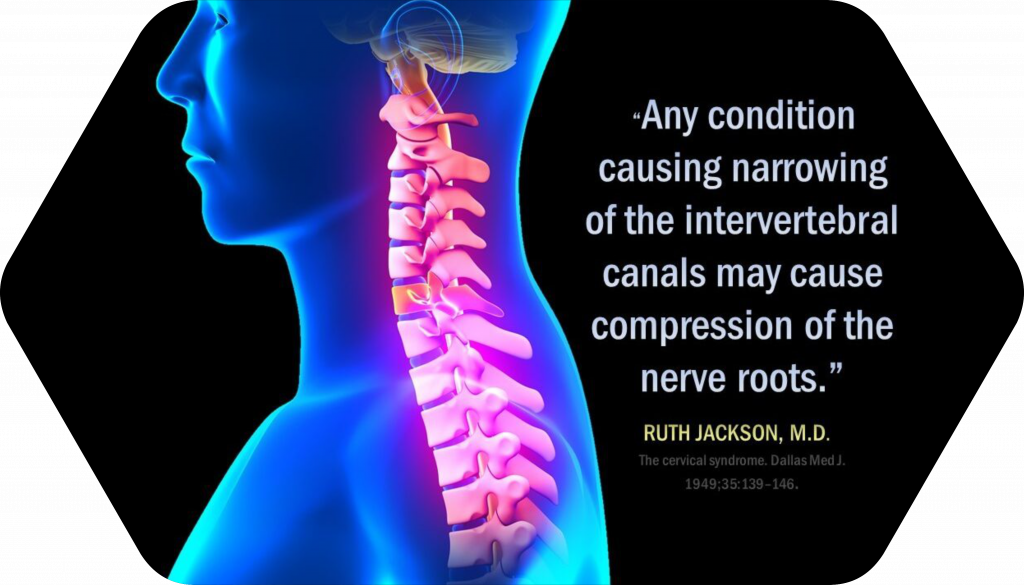
Pain in the body suggests that there is an imbalance in the nervous system. Pain often occurs in the neuromusculoskeletal system as a result of misalignment in the spine and skeletal structure. Any time there is misalignment in the body, whether it results from trauma, accident, injury, or postural imbalances, subluxations (misalignment) can create pain and discomfort in the neuromusculoskeletal system.
When misalignment occurs in the body, the joints and misaligned bones compress and inflame surrounding nerves and tissue, resulting in pain. Additionally, misalignment can force the muscular system to compensate for the lack of quality support being provided by the skeletal structure.
As your expert Chiropractor helps to realign your spinal structure, the pressure is removed from the nerves, tissues, muscles, ligaments, and tendons that were being compressed. This is often accompanied by a significant reduction in pain, and in some cases, a complete elimination of pain.
If you’re experiencing sharp pain, shooting pain, aching pain, dull pain, hot or cold-feeling pain, or any other type of discomfort in your body, Chiropractic Care can help move you toward a state of more comfort in your body.
Chiropractic emphasize vitalism, “innate intelligence” and spinal adjustments, and consider vertebral subluxations to be the cause of most dis-ease; Chiropractors are more open to mainstream views and conventional techniques, such use in Physical Therapy, Cold laser, exercise, massage, and Heat & Ice therapy and nutrition.
Chiropractic Art
The Art:
Chiropractors master the adjusting “art” of chiropractic which begins with a sensitive, highly skilled hands-on evaluation of the patient’s spinal column. By “palpating” the spine; that is to say, touching the spine and musculature, Chiropractors are able to appreciate areas of muscle spasm and loss of spinal segmental motion. Through their hands chiropractors look for misplaced or fixated vertebrae which may be affecting nerves that travel through, and out of, the spinal cord into the muscles, organs, tissues and cells of your body. Also included is a detailed review of your health history, a comprehensive examination, ordering x-rays and other diagnostic imaging if indicated?
Upon your next visit which usually takes place within the first 24-48 hours of your consultation and examination, The Doctor will review with you the findings of your assessment, how it relates to any diagnostic imaging results, their correlation to your specific clinical impression (diagnosis) and a general prognosis as to the number of sessions and time period that it will take to correct your condition. The time period to correct your condition is based upon your work habits, type of work, age, previous history, and activity level.
While your type of condition may have been presented to your doctor several times in the past, you are unique in your own way. A recommended specific treatment plan customized for you will be presented in order to correct your health problem and restore normal spinal and joint function. The Doctor will also discuss with you whether your case will be accepted or not, and, make arrangements to initiate care to restore your health.
The recommended treatment plan includes specific spinal adjustments. An adjustment describes the many manual and mechanical ways and techniques of specific, carefully directed, and controlled pressure applied to restore subluxated (misaligned) spinal segments to a more normal position and range of motion, to reduce and free nervous system interference, aiding in increased flexibility, increased immunological function and increased life energy.
An adjustment is often combined with other natural therapeutic methods to facilitate healing. This may include any of the following: heat, cold, light, massage, electrical stimulation, ultrasound, low-level laser therapy, movement, stretching and strengthening exercises, and ancient techniques such as acupuncture, yoga, meditation and visualization.
Ultimately, the method of chiropractic adjustments are corrective in nature and differs from conventional medical practices of utilizing drugs, which commonly cover up the symptoms and may cause adverse chemical reactions. Chiropractic is a pro-active approach to your health. It addresses prevention of illness. The primary mechanism is the maintenance of a healthy nervous system.
Hundreds of techniques exist within the Chiropractic profession; the key is they all get results. Chiropractic is any technique used to free innate without interfering with the body’s wisdom. Your total health and well being can be greatly enhanced by Chiropractic, a natural way in the alleviation of disease. The Chiropractic adjustment is truly an artistic expression!
Chiropratic science
The Science:
Since its beginning, over 100 years ago, chiropractic has been based on the scientific and anatomical fact that the central nervous system (CNS) that includes your brain and spinal cord, is the “Master System” that controls and coordinates the function of every cell, tissue, organ, and system of your body such the glandular, reproductive, digestive, respiratory, circulatory and immune systems.
Your body is much like the Internet: your brain is your main frame computer protected by the skull; your spinal cord which is the information highway, is really just a long extension of the brain and is more vulnerable to injury; and your 24 moving spinal vertebrae are the protective housing in which the CNS sits. Emerging from the spinal cord, between the vertebrae, are the 32 pairs of peripheral spinal nerves that permeate the entire body. These peripheral nerves control sensory, motor and sympathetic functions like keeping your heart and lungs working even when you are asleep. The sympathetic system connects to all the arteries, veins and organs in your body.
When these vertebrae lose their normal motion or position, they can irritate the nervous system. This disrupts and interferes with the function of the tissues and/or organs that these nerves control. This condition is called “vertebral subluxation complex” (VSC). Chiropractic is the science of finding these areas of spinal malfunction and abnormal motion of vertebrae, the art of correcting them in order to remove nervous system interference and the philosophy of all things natural as we have been created.
“What is an evidence-based practice?” shows that scientific research findings are finally catching up with what millions in the U.S. and around the world already know: chiropractic is effective. In becoming a chiropractor, you’re choosing a healthcare profession in which 97% of people who’ve used chiropractic care would use it again for neck, back, and other musculoskeletal pain.
Who’s Providing The Scientific Evidence?
Evidence-based research comes from reputable sources and recent surveys. They are universal in their support for first turning to conservative solutions such as chiropractic treatments:
- New guidelines from the American College of Physicians now recommend non-pharmacological treatments for low-back pain.
- Consumer Reports ranked chiropractic care as the number one preferred treatment for low back pain.
- In a Gallup-Palmer survey of those who had visited a chiropractor in the previous year, 95% said chiropractic treatment was effective, and 89&t said they would recommend it to a family and friends.
These findings are good news. Musculoskeletal conditions and disorders affect nearly 40 million U.S. citizens yearly and have an annual estimated cost of more than $268 billion. For low back pain, treatment by a Doctor of Chiropractic costs 20% less than traditional care, according to the American Chiropractic Association.
What Is An Evidence-Based Practice?
Evidence-based practice means the doctor of chiropractic fully understands the patient’s needs, values, and preferences and then applies the right clinical treatments indicated by the newest evidence-based research.
Put another way, Evidence-based Practice (EBP) puts patient care first. The treatments selected depend on several factors:
- The strength of the scientific evidence
- An examination of the benefits and risks of all treatment approaches
- The patient’s preferences.
Advantages Of An Evidence-Based Chiropractic Practice (EBP)
One way to think about a practice that follows an EBP philosophy is that it helps ensure the best-possible practitioner-patient relationship, which contributes to better patient outcomes. Aspects of the EBP philosophy include:
- Knowledge of consensus guidelines for conditions, imaging, and patient age
- Avoiding unnecessary tests, techniques, and procedures
- Adherence to the latest evidence-based guidelines
- Awareness of new healthcare technologies and strategies.
A Doctor of Chiropractic’s goal is to restore and improve the quality of life in natural ways – without surgery, invasive procedures, and prescription medicines. Patient health is optimized by emphasizing proper nutrition, regular exercise, stress management, and a focus on spinal and extremity joint biomechanics.
Like optometrists and dentists, doctors of chiropractic are primary, portal-of-entry health care providers meaning that you do not need a referral to schedule an appointment. Today, the vast majority of health insurance plans cover initial chiropractic care, including Medicare and the U.S. armed forces’ Tricare plans.
Also, the number of multidisciplinary, collaborative medical offices continues to grow. This new type of doctor’s office promotes referrals among chiropractors, M.D.s, and other physician specialties.
Chiropractic Research Studies:
History
Medical and healthcare research began to gain traction in the United States around the 1940s, following World War II.
This led to a cascade of national corporations and government-run programs creating regulations for scientific research methods.
Chiropractic gradually joined the wave, producing research to support the experiences of practitioners who witnessed people finding relief through spinal adjustments.
The first ever published research paper for chiropractors, by Modernized Chiropractic, surfaced in 1906.
Fast forward to the period between 1970 and 1990, and research became widely influential after the American Medical Association declared that it would not refer patients to chiropractors and even released a pamphlet condemning the practice as unsubstantiated.
Ironically, this move by the American Medical Association ran counter to the research it purported to support.
From that moment onwards, chiropractors have been working diligently to legitimize the practice by producing quality research to showcase the myriad benefits of chiropractic care.
What followed is a plethora of chiropractic research studies that have cemented the place of chiropractic care in modern medicine.
5 Top Chiropractic Research Studies You Need to Share
In this article, we will take you through a countdown of the 5 top chiropractic research studies you should know, highlighting the latest findings in chiropractic research and demonstrating the efficacy and validity of chiropractic care.
5) — The Latest Research on Chiropractic and Radiculopathy
Our first chiropractic research study to discuss addresses neck pain accompanied by radiating pain down the arms, a condition often caused by degenerative changes to the discs in the neck.
“It’s pretty amazing to send an email and see your online scheduler fill up. Now, I don’t need to sit down and stare at a blank sheet of paper to try to figure out my marketing plans!”
Dr. Reed Neubaum, DC
Ultimate Health
As the discs in the spine begin to degrade, nerves can become overstimulated, resulting in pain, numbness, or tingling in the arms and hands.
As this condition advances, it may lead to muscle weakness, the breakdown of other parts of the spine, and potential permanent damage.
Know This
This particular study evaluated the effectiveness and safety of combining acupuncture and chiropractic treatments to reduce pain and improve patient function.
The researchers found that integrating chiropractic adjustments with acupuncture effectively reduced pain and alleviated symptoms associated with neck pain and radiculopathy.
According to Chinese medicine, acupuncture helps balance blood flow and harmonize the yin and yang energies, thus contributing to symptom relief.
Chiropractic treatment, on the other hand, focuses on removing pressure from the nerves in the neck through high-velocity, low-amplitude adjustments, which can alleviate the symptoms and side effects of cervical spondylosis and the accompanying radiculopathy.
Study #5: The Latest Research on Chiropractic and Radiculopathy
This study highlighting the latest research on chiropractic and radiculopathy is significant as it adds to the growing body of top chiropractic research studies demonstrating the positive effects of chiropractic care in managing and treating various conditions.
4) — The Impact of Chiropractic Treatment on Depression
One of the latest findings in chiropractic research is a groundbreaking study exploring the impact of chiropractic treatment on depression and how chiropractic treatment can impact other psychological and neurobiological conditions such as anxiety.
Know This
This particular chiropractic research study delved into clinical depression, characterized by elevated stress hormones in the brain.
In this study, researchers reviewed 35 cases and analyses concerning chiropractic care’s impact on Major Depressive Disorder.
The findings suggested that chiropractic could serve as a drug-free and viable alternative in the management of depression.
Chiropractic spinal adjustments work in tandem with the nervous system to facilitate the body’s healing process.
Typically, for conditions such as neck pain, low back pain, or nerve pain, chiropractors employ adjustments to relieve pressure on joints or discs that may be impinging nerves.
A relatively untapped domain within chiropractic care is clinical neurology.
Chiropractors who specialize in clinical neurology work with the autonomic nervous system, which includes the sympathetic and parasympathetic nervous systems.
Study #4: The Impact of Chiropractic Treatment on Depression
The sympathetic nervous system is often referred to as the “fight or flight” system, while the parasympathetic nervous system is known as the “rest and digest” system.
Ideally, the parasympathetic nervous system should be more active than the sympathetic system, ensuring that individuals do not exist in a perpetual state of stress.
Chiropractic adjustments stimulate the parasympathetic nervous system, which helps regulate various bodily functions, including:
- Better digestion
- Regular bowel movements
- Stress reduction
- Decreased respiration
- Lower heart rate
- Improved sleep quality
This chiropractic research study is significant as it illuminates the potential role of chiropractic care in the treatment of psychological disorders and contributes to the latest findings in chiropractic research.
3) — The Effects of Chiropractic Treatment on Children’s Health
Occupying a distinguished position in our list of the 5 top chiropractic research studies is a notable study that looks at the effects of chiropractic treatment on children’s health.
Published in 2019, this meticulous study involved an extensive analysis of hundreds of journals to unearth data regarding the efficacy of manual therapy on children and babies.
In this encompassing review, the researchers examined a gamut of manual therapies, including chiropractic, physical therapy, and massage, and their impact on an array of conditions that children may encounter.
The ailments addressed in the study included:
- Bedwetting
- Constipation
- Excessive gas
- Colic
- Headaches/migraines
- Adolescent idiopathic scoliosis
- General neck and back pain
Know This
The comprehensive literature review unveiled the remarkable efficacy of non-invasive, drug-free healthcare modalities in improving the well-being of pediatric patients.
While the notion of administering adjustments to babies and small children may evoke apprehension among many, it’s crucial to understand that chiropractic adjustments for children are markedly different from those performed on adults.
Often, subtle movements of the pelvis, sacrum, or upper neck can produce monumental improvements in a child’s quality of life.
Study #3: The Effect of Chiropractic Treatment on Children’s Health
Chiropractic care for children can not only enhance their comfort but, more importantly, pave the way for them to thrive and function at their optimal capacity throughout life.
This research study is a testament to the versatility and efficacy of chiropractic care across age groups, and reinforces the importance of chiropractic research studies in informing both practitioners and the general public.
2) — Current Research on Chiropractic Treatment for Chronic Pain
Second in our lineup of top chiropractic research studies is a study that deviates from the traditional perception of research papers being solely experimental.
In the chiropractic domain, research papers often serve as guides designed to equip chiropractors around the world with the knowledge to formulate treatment plans that are both safe and effective for patients.
This paper is an exemplar of such a guide, focusing on ‘Best Practices’ for managing chronic pain through chiropractic care.
Study #2: Current Research on Chiropractic Treatment for Chronic Pain
As you can imagine, chronic pain is a notoriously challenging area for healthcare professionals across various disciplines.
Its intricate nature stems from several factors, such as:
- Pain that has accumulated over an extended period, often more than ten years, may not dissipate swiftly.
- Pain medication often merely conceals the pain without addressing the underlying cause.
- Surgical interventions can sometimes lead to complications or secondary issues, and may not always successfully address the primary problem.
- Chronic pain can exacerbate or be linked to other health conditions, such as arthritis and osteoporosis.
In this study, the authors convened a 62-member Delphi panel to arrive at a consensus regarding the chiropractic management of five prevalent chronic pain conditions: low back pain, neck pain, tension headaches, osteoarthritis, and fibromyalgia.
Know This
The study culminated in the development of a guide that incorporates a multifaceted approach, combining spinal manipulation with complementary therapies such as low-level laser therapy, interferential current, exercises, yoga, meditation, and cognitive behavioral therapy.
This invaluable resource assists healthcare practitioners, particularly chiropractors, in staying on top of of the latest findings in chiropractic research and the current research on chiropractic treatment for chronic pain.
It provides them with a robust framework for employing integrative strategies to effectively address chronic pain and improve the quality of life for their patients.
1) — Research on the Safety of Chiropractic: Chiropractic and Stroke Risk
Crowning our list of top chiropractic research studies is a study that delves into research on the safety of chiropractic, specifically the relationship between chiropractic and stroke risk.
This topic is often a hotbed for debates, particularly the infinitesimal risk of stroke associated with chiropractic neck adjustments.
Dr. David Cassidy took it upon himself to elucidate the truth concerning the interplay between chiropractic treatments and stroke.
Study #1: Research on the Safety of Chiropractic and Stroke Risk
This pivotal research aimed to explore the association between chiropractic visits and vertebrobasilar artery stroke.
Interestingly, it also reviewed this with the incidence of strokes occurring in the context of visits to primary care physicians.
The researchers evaluated cases of strokes that were admitted to Ontario hospitals over a period spanning from 1993 to 2002.
The eligibility criteria encompassed an assessment of the patients’ exposure to chiropractors and primary care physicians preceding the stroke.
Know This
The study concluded that out of a population exceeding 100 million persons, there were 818 strokes that resulted in hospitalization.
Importantly, the study established that there was no elevated correlation between chiropractic visits and stroke among patients over the age of 45.
Conversely, there was a notable association between visits to primary care doctors and subsequent strokes.
Chiropractors are extensively trained to assess and ascertain the risk of stroke prior to administering chiropractic adjustments.
They utilize a battery of tests to determine if a stroke or any other adverse effect could potentially occur before proceeding with adjustments.
This study holds the distinction of being one of the most significant and top chiropractic research studies due to its thorough investigation and findings concerning chiropractic adjustments.
It serves as a testament to the safety and proficiency of chiropractic care, dispelling myths and emphasizing that strokes are not exclusively associated with chiropractic interventions.
Unlocking the Future: The Power of Chiropractic Research
Research is an indispensable cog in the wheel of progress and the expansion of our understanding, particularly in healthcare.
We are fortunate to be living in an era where chiropractic research studies are on the rise, providing an unprecedented wealth of insights.
Every week, my inbox is filled with updates from PubMed that offer a glimpse into the latest findings in chiropractic research.
These studies meticulously examine the mechanisms underlying chiropractic treatments and the plethora of conditions they can help manage and treat.
As a chiropractor practicing today, there is an abundance of empirical evidence that substantiates the efficacy of the interventions we employ.
Know This
Regardless of the areas that pique your interest or the specific patient concerns you address in your practice, there’s a high probability that top chiropractic research studies fortify and endorse your approach.
As healthcare professionals, it’s incumbent upon us to stay on top of of these developments and continually integrate the latest findings in chiropractic research into our practices.
Chiropractic Research Studies: Knowledge is Power
This commitment not only elevates the standard of care we provide but also reinforces the trust and confidence that patients place in chiropractic treatments, whether we’re looking at the latest research on chiropractic and radiculopathy, the impact of chiropractic treatment on depression and anxiety, the effects of chiropractic treatment on children’s health, the current research on chiropractic for chronic pain, or research on the safety of chiropractic and chiropractic and stroke risk.
Chiropractic Philosophy
Philosophy
Chiropractic is alternative to medicine[1] which focuses on adjustment of the musculoskeletal system, especially the spine.[2] Its founder, D.D. Palmer, called it “a science of healing without drugs”.[9]
| The testable principle | The untestable metaphor |
|---|---|
↓ Restoration of structural integrity ↓ Improvement of health status | ↓ ↓ |
| Materialistic: | Vitalistic: |
|
|
| Taken from Mootz & Phillips 1997[33] | |
Chiropractic’s origins lie in the folk medicine of bonesetting,[9] and as it evolved it incorporated vitalism, Its early philosophy was based on deduction from irrefutable doctrine helped distinguish chiropractic from medicine, provided it with legal and political defenses against claims of practicing medicine without a license, and allowed chiropractors to establish themselves as an autonomous profession.[34] This “straight” philosophy, taught to generations of chiropractors, rejects the inferential reasoning of the scientific method,[34] and relies on deductions from vitalistic first principles rather than on the materialism of science.[33] However, most practitioners tend to incorporate scientific research into chiropractic,[34] and most practitioners are “mixers” who attempt to combine the materialistic reductionism of science with the metaphysics of their predecessors and with the holistic paradigm of wellness.[33] A 2008 commentary proposed that chiropractic actively divorce itself from the straight philosophy as part of a campaign to eliminate untestable dogma and engage in critical thinking and evidence-based research.[35]
Although a wide diversity of ideas exist among chiropractors,[34] they share the belief that the spine and health are related in a fundamental way, and that this relationship is mediated through the nervous system.[36] Chiropractors examine the biomechanics, structure and function of the spine, along with its effects on the musculoskeletal and nervous systems and what they believe to be its role in health and disease.[37] Some chiropactors say spinal manipulation can have an effect of a variety of ailments such as irritable bowel syndrome and asthma.[38]
Chiropractic philosophy includes the following perspectives:[33]
Holism assumes that health is affected by everything in an individual’s environment; some sources also include a spiritual or existential dimension.[39] In contrast, reductionism in chiropractic reduces causes and cures of health problems to a single factor, vertebral subluxation.[35] Conservatism considers the risks of clinical interventions when balancing them against their benefits. It emphasizes noninvasive treatment to minimize risk, and avoids surgery and medication.[37] Homeostasis emphasizes the body’s inherent self-healing abilities. Chiropractic’s early notion of innate intelligence can be thought of as a metaphor for homeostasis.[34]
A variant of chiropractic called naprapathy originated in Chicago in the early twentieth century.[40][41] It holds that manual manipulation of soft tissue can reduce “interference” in the body and thus improve health.[41]
Scope of practice
Chiropractors emphasize the conservative management of the neuromusculoskeletal system without the use of medicines or surgery,[50] with special emphasis on the spine.[2] Back and neck pain are the specialties of chiropractic but many chiropractors treat ailments other than musculoskeletal issues.[9] There is a range of opinions among chiropractors: some believed that treatment should be confined to the spine, or back and neck pain; others disagreed.[53] For example, while one 2009 survey of American chiropractors had found that 73% classified themselves as “back pain/musculoskeletal specialists”, the label “back and neck pain specialists” was regarded by 47% of them as a least desirable description in a 2005 international survey.[53] Chiropractic combines aspects from mainstream and alternative medicine, and there is no agreement about how to define the profession: although chiropractors have many attributes of primary care providers, chiropractic has more of the attributes of a medical specialty like dentistry or podiatry.[54] It has been proposed that chiropractors specialize in nonsurgical spine care, instead of attempting to also treat other problems,[35][54] but the more expansive view of chiropractic is still widespread.[55] Mainstream health care and governmental organizations such as the World Health Organization consider chiropractic to be complementary and alternative medicine (CAM);[1] and a 2008 study reported that 31% of surveyed chiropractors categorized chiropractic as CAM, 27% as integrated medicine, and 12% as mainstream medicine.[56] A 2010 study suggests that UK chiropractors often aspire to become primary care providers, though they lack the medical and diagnostic skills necessary to fulfil this role.[4]
Chiropractic overlaps with several other forms of manual therapy, including massage therapy, osteopathy, physical therapy, and sports medicine.[21][57] Chiropractic is autonomous from and competitive with mainstream medicine,[58] and osteopathy outside the US remains primarily a manual medical system;[59] physical therapists work alongside and cooperate with mainstream medicine, and osteopathic medicine in the U.S. has merged with the medical profession.[58] Practitioners may distinguish these competing approaches through claims that, compared to other therapists, chiropractors heavily emphasize spinal manipulation, tend to use firmer manipulative techniques, and promote maintenance care; that osteopaths use a wider variety of treatment procedures; and that physical therapists emphasize machinery and exercise.[21]
Chiropractic diagnosis may involve a range of methods including skeletal imaging, observational and tactile assessments, and orthopedic and neurological evaluation.[50] A chiropractor may also refer a patient to an appropriate specialist, or co-manage with another health care provider.[54] Common patient management involves spinal manipulation (SM) and other manual therapies to the joints and soft tissues, rehabilitative exercises, health promotion, electrical modalities, complementary procedures, and lifestyle advice.[5]

A chiropractic adjustment of a horse
Chiropractors are not normally licensed to write medical prescriptions or perform major surgery in the United States,[60] (although New Mexico has become the first US state to allow “advanced practice” trained chiropractors to prescribe certain medications.[61][62]). In the US, their scope of practice varies by state, based on inconsistent views of chiropractic care: some states, such as Iowa, broadly allow treatment of “human ailments”; some, such as Delaware, use vague concepts such as “transition of nerve energy” to define scope of practice; others, such as New Jersey, specify a severely narrowed scope.[63] US states also differ over whether chiropractors may conduct laboratory tests or diagnostic procedures, dispense dietary supplements, or use other therapies such as homeopathy and acupuncture; in Oregon they can become certified to perform minor surgery and to deliver children via natural childbirth.[60] A 2003 survey of North American chiropractors found that a slight majority favored allowing them to write prescriptions for over-the-counter drugs.[43] A 2010 survey found 72% of Switzerland chiropractors judged the current allowance in Switzerland to prescribing nonprescription medication as an advantage for chiropractic treatment.[64]
A related field, veterinary chiropractic, applies manual therapies to animals and is recognized in 40 US states,[65] but is not recognized by the American Chiropractic Association as being chiropractic.[66] It remains controversial within certain segments of the veterinary, and chiropractic profession.[67]
No single profession “owns” spinal manipulation and there is little consensus as to which profession should administer SM, raising concerns by chiropractors that other medical physicians could “steal” SM procedures from chiropractors.[32] A focus on evidence-based SM research has also raised concerns that the resulting practice guidelines could limit the scope of chiropractic practice to treating backs and necks.[32] Two U.S. states (Washington and Arkansas) prohibit physical therapists from performing SM,[68] some states allow them to do it only if they have completed advanced training in SM, and some states allow only chiropractors to perform SM, or only chiropractors and physicians. Bills to further prohibit non-chiropractors from performing SM are regularly introduced into state legislatures and are opposed by physical therapist organizations.[69]
Safety
Chiropractic care in general is safe when employed skillfully and appropriately.[50] Manipulation is regarded as relatively safe, but as with all therapeutic interventions, complications can arise, and it has known adverse effects, risks and contraindications.[50] Absolute contraindications to spinal manipulative therapy are conditions that should not be manipulated; these contraindications include rheumatoid arthritis and conditions known to result in unstable joints.[50] Relative contraindications are conditions where increased risk is acceptable in some situations and where low-force and soft-tissue techniques are treatments of choice; these contraindications include osteoporosis.[50] Although most contraindications apply only to manipulation of the affected region, some neurological signs indicate referral to emergency medical services; these include sudden and severe headache or neck pain unlike that previously experienced.[132] Indirect risks of chiropractic involve delayed or missed diagnoses through consulting a chiropractor.[9]
Spinal manipulation is associated with frequent, mild and temporary adverse effects,[15][132] including new or worsening pain or stiffness in the affected region.[133] They have been estimated to occur in 33% to 61% of patients, and frequently occur within an hour of treatment and disappear within 24 to 48 hours;[134] adverse reactions appear to be more common following manipulation than mobilization.[135] Chiropractic is correlated with a very high incidence of minor adverse effects.[9] Chiropractic are more commonly associated with serious related adverse effects than other professionals following manipulation.[19] Rarely,[50] spinal manipulation, particularly on the upper spine, can also result in complications that can lead to permanent disability or death; these can occur in adults[15] and children.[136] Estimates vary widely for the incidence of these complications,[134] and the actual incidence is unknown, due to high levels of underreporting and to the difficulty of linking manipulation to adverse effects such as stroke, which is a particular concern.[15] Adverse effects are poorly reported in recent studies investigating chiropractic manipulations.[16] Reports of serious adverse events have occurred, resulting from spinal manipulation therapy of the lumbopelvic region.[137] Estimates for serious adverse events vary from 5 strokes per 100,000 manipulations to 1.46 serious adverse events per 10 million manipulations and 2.68 deaths per 10 million manipulations, though it was determined that there was inadequate data to be conclusive.[134] Several case reports show temporal associations between interventions and potentially serious complications.[138] The published medical literature contains reports of 26 deaths since 1934 following chiropractic manipulations and many more seem to remain unpublished.[19]
Vertebrobasilar artery stroke (VAS) is statistically associated with chiropractic services in persons under 45 years of age,[139] but it is similarly associated with general practitioner services, suggesting that these associations are likely explained by preexisting conditions.[138][140] Weak to moderately strong evidence supports causation (as opposed to statistical association) between cervical manipulative therapy (CMT) and VAS.[141] There is insufficient evidence to support a strong association or no association between cervical manipulation and stroke.[17] While the biomechanical evidence is not sufficient to support the statement that CMT causes cervical artery dissection (CD), clinical reports suggest that mechanical forces have a part in a substantial number of CDs and the majority of population controlled studies found an association between CMT and VAS in young people.[142] It is strongly recommended that practitioners consider the plausibility of CD as a symptom, and people can be informed of the association between CD and CMT before administrating manipulation of the cervical spine.[142] There is controversy in regard to the level of risk of stroke from cervical manipulation.[17] Many chiropractors state that, the association between chiropractic therapy and vertebral arterial dissection is not proven.[19] However, it has been suggested that the causality between chiropractic cervical manipulation beyond the normal range of motion and vascular accidents is probable[19] or definite.[18] There is very low evidence supporting a small association between internal carotid artery dissection and chiropractic neck manipulation.[143] The incidence of internal carotid artery dissection following cervical spine manipulation is unknown.[144] The literature infrequently reports helpful data to better understand the association between cervical manipulative therapy, cervical artery dissection and stroke.[145] The limited evidence is inconclusive that chiropractic spinal manipulation therapy is not a cause of intracranial hypotension.[146]
Chiropractors, like other primary care providers, sometimes employ diagnostic imaging techniques such as X-rays and CT scans that rely on ionizing radiation.[147] Although there is no clear evidence for the practice, some chiropractors may still X-ray a patient several times a year.[26] Practice guidelines aim to reduce unnecessary radiation exposure,[147] which increases cancer risk in proportion to the amount of radiation received.[148] Research suggests that radiology instruction given at chiropractic schools worldwide seem to be evidence-based.[149] Although, there seems to be a disparity between some schools and available evidence regarding the aspect of radiography for patients with acute low back pain without an indication of a serious disease, which may contribute to chiropractic overuse of radiography for low back pain.[149]
Risk-benefit
A 2012 systematic review concluded that no accurate assessment of risk-benefit exists for cervical manipulation.[17] A 2012 summary stated that, “The best evidence suggests that SMT, whether it be for neck or low back pain, is a safe and effective therapy. At a population level, the benefits still outweigh the risks.”[14] A 2010 systematic review stated that there is no good evidence to assume that neck manipulation is an effective treatment for any medical condition and suggested a precautionary principle in healthcare for chiropractic intervention even if a causality with vertebral artery dissection after neck manipulation were merely a remote possibility.[19] The same review concluded that the risk of death from manipulations to the neck outweighs the benefits.[19] Chiropractors have criticized this conclusion, claiming that the author did not evaluate the potential benefits of spinal manipulation.[150] Edzard Ernst stated “This detail was not the subject of my review. I do, however, refer to such evaluations and should add that a report recently commissioned by the General Chiropractic Council did not support many of the outlandish claims made by many chiropractors across the world.”[150]
A 2009 review evaluating maintenance chiropractic care found that spinal manipulation is routinely associated with considerable harm and no compelling evidence exists to indicate that it adequately prevents symptoms or diseases, thus the risk-benefit is not evidently favorable.[151] A 2008 summary found that the best evidence suggests that chiropractic care is a useful therapy for subjects with neck or low-back pain for which the risks of serious adverse events should be considered negligible.[152]
Education, licensing, and regulation
Requirements vary between countries. In the U.S. chiropractors obtain a first professional degree in the field of chiropractic.[158] Chiropractic curricula in the U.S. have been criticized for failing to meet generally accepted standards of evidence-based medicine.[159] The curriculum content of North American chiropractic and medical colleges with regard to basic and clinical sciences has been more similar than not, both in the kinds of subjects offered and in the time assigned to each subject.[160] Accredited chiropractic programs in the U.S. require that applicants have 90 semester hours of undergraduate education with a grade point average of at least 3.0 on a 4.0 scale. Many programs require at least three years of undergraduate education, and more are requiring a bachelor’s degree.[161] Canada requires a minimum three years of undergraduate education for applicants, and at least 4200 instructional hours (or the equivalent) of full‐time chiropractic education for matriculation through an accredited chiropractic program.[162] Graduates of the Canadian Memorial Chiropractic College (CMCC) are formally recognized to have at least 7–8 years of university level education.[163][164] The World Health Organization (WHO) guidelines suggest three major full-time educational paths culminating in either a DC, DCM, BSc, or MSc degree. Besides the full-time paths, they also suggest a conversion program for people with other health care education and limited training programs for regions where no legislation governs chiropractic.[50]
Upon graduation, there may be a requirement to pass national, state, or provincial board examinations before being licensed to practice in a particular jurisdiction.[165][166] Depending on the location, continuing education may be required to renew these licenses.[167][168] Specialty training is available through part-time postgraduate education programs such as chiropractic orthopedics and sports chiropractic, and through full-time residency programs such as radiology or orthopedics.[169]
In the U.S., chiropractic schools are accredited through the Council on Chiropractic Education (CCE) while the General Chiropractic Council (GCC) is the statutory governmental body responsible for the regulation of chiropractic in the UK.[170][171] The U.S. CCE requires a mixing curriculum, which means a straight-educated chiropractor may not be eligible for licensing in states requiring CCE accreditation.[63] CCEs in the U.S., Canada, Australia and Europe have joined to form CCE-International (CCE-I) as a model of accreditation standards with the goal of having credentials portable internationally.[172] Today, there are 18 accredited Doctor of Chiropractic programs in the U.S.,[173] 2 in Canada,[174] 6 in Australasia,[175] and 5 in Europe.[176] All but one of the chiropractic colleges in the U.S. are privately funded, but in several other countries they are in government-sponsored universities and colleges.[8] Of the two chiropractic colleges in Canada, one is publicly funded (UQTR) and one is privately funded (CMCC). In 2005, CMCC was granted the privilege of offering a professional health care degree under the Post-secondary Education Choice and Excellence Act, which sets the program within the hierarchy of education in Canada as comparable to that of other primary contact health care professions such as medicine, dentistry and optometry.[163][164]
Regulatory colleges and chiropractic boards in the U.S., Canada, Mexico, and Australia are responsible for protecting the public, standards of practice, disciplinary issues, quality assurance and maintenance of competency.[177][178] There are an estimated 49,000 chiropractors in the U.S. (2008),[179] 6,500 in Canada (2010),[180] 2,500 in Australia (2000),[29] and 1,500 in the UK (2000).[181]
Chiropractors often argue that this education is as good as or better than medical physicians’, but most chiropractic training is confined to classrooms with much time spent learning theory, adjustment, and marketing.[63] The fourth year of chiropractic education persistently showed the highest stress levels.[182] Every student, irrespective of year, experienced different ranges of stress when studying.
Postgraduate Studies
Many doctors further their knowledge and skills by completing additional studies after graduation. These one to three year programs provide the information to place the doctors at the top of the health care field in specific areas. Some of the areas of study include orthopedics, neurology, radiology, sports, rehabilitation, nutrition, pediatrics and research.
Subject Hours Comparison Between DC’s and MD’s
You may be surprised to learn that chiropractic doctors receive more class and study time in many important subjects compared with their medical counterparts.
Subjects | Class Hours | Class Hours |
Anatomy | 540 | 510 |
Chemistry | 165 | 325 |
Diagnosis | 630 | 325 |
Microbiology | 120 | 115 |
Neurology | 320 | 110 |
Obstetrics | 60 | 150 |
Orthopedics | 210 | 155 |
Pathology | 360 | 400 |
Physiology | 240 | 325 |
Psychiatry | 60 | 145 |
Radiology | 360 | 150 |
HOURS | 3,065 | 2,710 |
Additionally Required Studies | ||
Spinal Adjustment and joint manipulation | Pharmacology | |
Total Hours | 4,485 | 4,250 |
How we are different
Battle for Healthcare
Essentials of Health
Wellness Approach
Wellness Perspectives
Wellness Essentials
Chiropractic, Orthopedic & Neurological Tests Expl
How we are different
How We Are Different From Other Chiropractors.
Most people don’t know there are two types of chiropractors. Many chiropractors merely work on back pain symptoms alone, through the Adjustment and electrotherapy. When symptoms improve, the patient assumes their spinal alignment is fixed. In most cases the spinal joints have merely been decompressed and pain is temporarily relieved. In our clinic, we actually correct the spinal alignment back to its normal model and show you the results with pre and post x-rays. The spine must be in its normal alignment to maximize nerve integrity and insure proper stability and function. Similar to a car wheel, if the spine is left out of alignment, it will progressively wear and tear even if there are no symptoms at the time. Over time however, the discs, joints and nerves will wear out just like a car tire, axle and bearing. Eventually there may be symptoms and permanent damage. When we correct spinal alignment, we utilize a three dimensional postural analysis to identify the relationships between the head, torso, hips, legs and feet. Full spinal x-rays are taken and angle and arc measurements are compared to the normal model. The secret to correcting the spinal alignment involves changing nerve muscle memory by influencing slow and fast nerve receptors to tell muscles to pull differently, thus aligning the spine. Posture specific adjustment, exercises and simple office and home rehab are done with predicable results. When spinal alignment is restored to its normal model, not only are symptoms relieved, but long standing spinal correction is achieved for better stability and function. A simple maintenance program is recommended to each patient so they can maintain the normal spinal alignment throughout their lifetime. Maintaining a correction is smarter and more cost effective than “managing a problem” which can inevitably become permanent. However long you choose to benefit from chiropractic is always up to you!
Battle for Healthcare
Battle for Healthcare
The Controversy From the beginning, Chiropractic has been the target of misrepresentation and illegal discrimination.
The Palmers of Davenport, Iowa discovered and developed many of the principles of Chiropractic. Both D.D. Palmer and son B.J. Palmer were flamboyant and charismatic. Their personalities and dogmatism produced vehement detractors.Medical MonopolyTo hamstring the fledgling chiropractic profession, the American Medical Association prevented medical doctors from working with or referring to chiropractors. This illegal tactic ended in 1990 when the A.M.A. was found guilty in U.S. Federal Court (Wilks vs AMA). Nevertheless, the damage was done. Increasing AcceptanceToday, the profession of chiropractic is recognized and licensed worldwide. Currently, there are 22 chiropractic colleges around the world graduating educated, compassionate and talented healers. Insurance companies and many government programs reimburse for chiropractic care. Chiropractic has come a long way since 1895. The Difference That Makes the DifferenceThe very right to practice chiropractic, written into the laws that license chiropractors around the world, specify that chiropractic is a separate and distinct, nonduplicative healing art, different from medicine. Both medical doctors and chiropractors contribute to the health and welfare of our nation by offering two very different approaches to the restoration and maintenance of better health. Medical Treatment – Medicine is the study and practice of the cause, diagnosis, prognosis, treatment and relief of the symptoms of disease or illness. Primary interventions include the use of drugs, physical therapy and surgery. Chiropractic Care – Chiropractic is the art, science and philosophy of restoring the inborn ability to self-heal by detecting and reducing compromises to the nervous system, usually along the spine. The primary intervention is the spinal adjustment. | The Battle Each model sees you and your health challenge differently. Which approach makes sense to you?
The Mechanist The established health care model sees the body as a machine. With parts that wear out or need attention. It has spawned a variety of disciplines that look at your “parts.” Examples include:
Intervention often involves drugs to change the function of the body by artificially changing blood chemistry. See video: The Vitalists
Care is designed to help restore your body’s balance and integrity. Aches or pains are merely signs of some other underlying problem. Best of BothIn our practice we observe the mechanics of the spine but see the whole-body effects of a compromised nervous system. Find out how our patient-centered approach to health care can help you naturally, without drugs or surgery. |

 William Harvey Lillard (1856 – September 7, 1925) was the first chiropractic patient. Harvey Lillard was an African American janitor who worked in the Ryan Building in Brady Street, Davenport, Iowa. He was the first person to be treated with the technique known as chiropractic by D.D. Palmer.

 The emerging model is more holistic and recognizes the interactivity of the mind, body and spirit. Because you are self-healing, vitalists see you as greater than the sum of your parts. Examples include:
Essentials of Health
Essentials of Health
NECESSITIES FOR HEALTH AND LIFE
What necessities are essential for survival? Shelter, heat, and clothing are likely to be among the top 10. And while these are convenient and will make any situation more comfortable, these are not essential.
THERE ARE FOUR ESSENTIALS OF HEALTH AND OF LIFE!! (Try living without one of them)
Health is something that we are given at birth and it should be maintained throughout our lifetime. Unfortunately, we are never taught what we need for health and what specifically needs to be maintained.
We are all born with a genetic health potential. If we understand what can interfere with that potential we can avoid such interferences and keep it at its highest level. When we buy a brand new car, we get a manual to maintain it. This tells us how to make the car last the longest possible time and run at its optimum potential with minimal problems. Yet when children are born, there is no manual in the “glove compartment” to know “when to change the oil”, rotate the tires and get a tune up. In other words, we are not taught what to maintain and how to maintain it. To understand our highest optimal health potential we first have to know what the essentials of health are.
To understand the essentials of health we need to understand the essentials for life. The basic physiological essentials for survival are as follows:
- Water
Water is more than just a thirst-quencher. Almost every system in the body is dependent on water in some shape or form. The human body is approximately 60% water. Water regulates body temperature and helps the liver and kidneys flush out toxins. Water lubricates joints and moisturizes the eyes, nose, and mouth. Even oxygen and nutrients are carried to cells by water. Without water the body cannot function. Breathing, sweating, and even going to the bathroom are all ways a person loses water. To maintain a healthy body, people need to replenish water levels and continue drinking water throughout the day. Direct water consumption is best. Beverages such as electrolyte drinks and fruit such as watermelon can help refill the body’s water supply. Standard recommendation is that women drink a minimum of 11.5 cups of water daily and men 15.5 cups.
AMOUNT OF WATER TO DRINK BASED ON WEIGHT
Most people need to drink roughly 1/2 to 2/3 of their weight (in pounds) in ounces. For example, a 200-pound adult needs approximately 100 – 133 ounces of water each day.
Of course, your water needs will increase with activity. You should add 12 ounces of water to your daily total for every 30 minutes that you engage in physical activity
We always knew to drink a lot of water, but who knew the timing affected things. Drinking water at the correct time maximizes its effectiveness on the Human body:
2 glasses of water after waking up helps activate internal organs
1 glass of water 30 minutes before a meal – helps digestion
1 glass of water before taking a bath – helps lower blood pressure
1 glass of water before going to bed – avoids stroke or heart attack
- Food
Food provides essential nutrients to the body. These nutrients are in turn used for energy, cell growth, and repair. Food keeps the immune system happy and, as a result, poor diets often lead to numerous health problems. Food can be broken down into four essential groups: fats, carbohydrates, protein, and vitamins. Fats provide energy and help absorb vitamins. Fats can control cholesterol levels and are essential for growth and development. Carbohydrates are converted to fuel. Fiber is a type of carb that assists in digestion, regulates blood sugar levels, and keeps hunger levels in check. Protein helps the body repair damaged organs, tissues, and bones. Protein is found in every cell in the human body. The digestive tract breaks down proteins into amino acids. There are 20 amino acids the body needs to function properly. And while the body can produce 12, there are still 8 that must be consumed through food. Vitamins play a role in every bodily function. The human body needs 13 types of vitamins to function properly.
- Oxygen
Oxygen is breath. Everything else spared, without oxygen, life is not possible. Oxygen is inhaled into the lungs and then dispersed throughout the body by red blood cells. Oxygen gives energy to cells by burning through the sugar and fatty acids that are consumed. The same red blood cells that carry oxygen through the body also carry carbon dioxide out of the body. Exhaling also removes carbon dioxide from the body.
- The nervous system
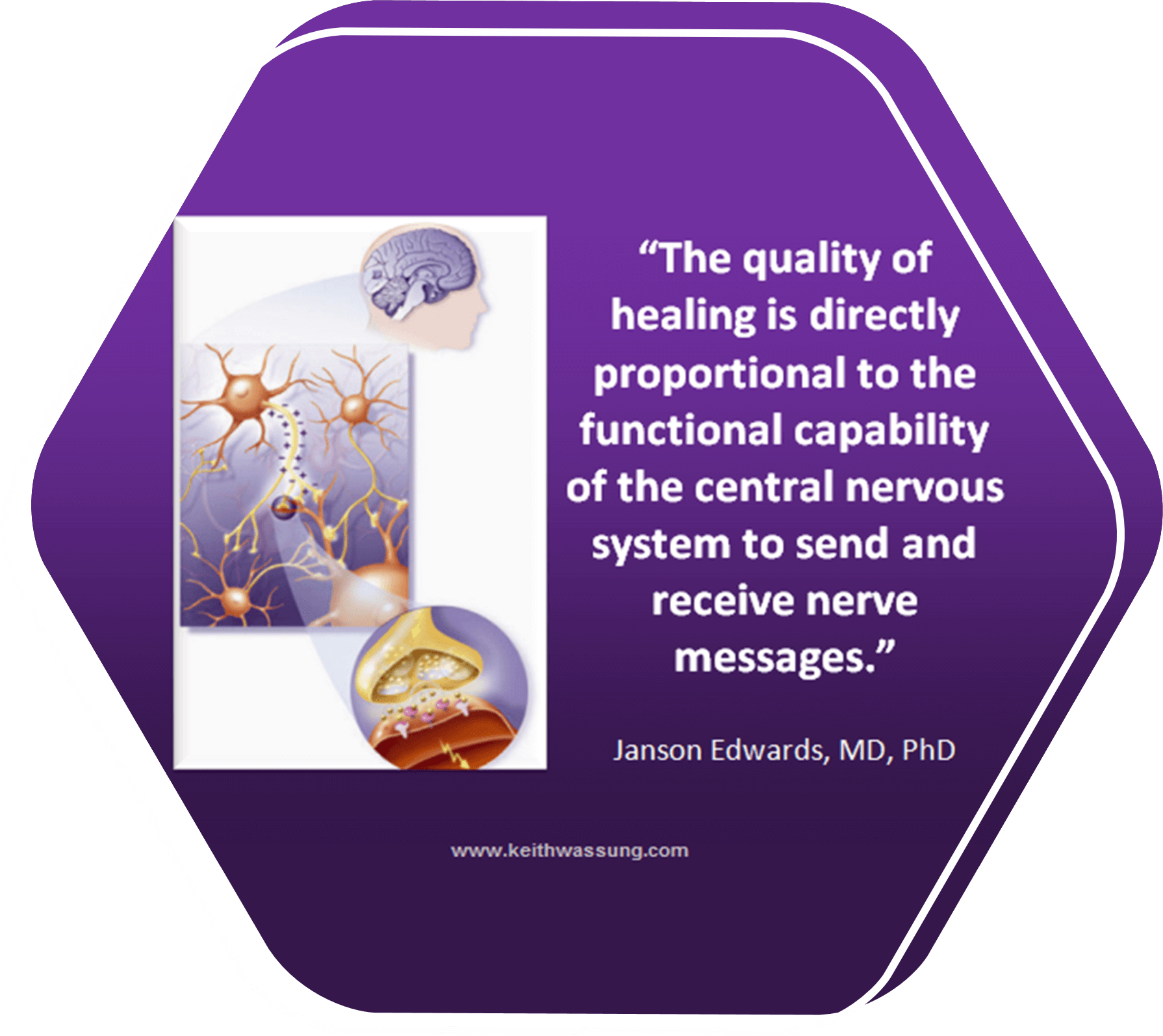
The nervous system is the body’s command center. The nervous system collects data, processes the data, and responds accordingly. The system controls movement by transmitting nerve impulses between the brain and the rest of the body. The messages travel through neurons, synapses, and neurotransmitters. These messages tell the heart to beat, lungs to breathe, and limbs to move. The nervous system even tells the brain how to think. The nervous system has two parts: the central and peripheral. The central nervous system is made up of the brain and spinal cord. The peripheral nervous system makes up the rest of the body.
Recap of the essentials
Everything else aside, there are 4 things the human body must have to survive: water, food, oxygen, and a functioning nervous system. Humans can last a little while without food or water, but life would immediately be over without oxygen or a working nervous system. For more tips on living a healthy lifestyle, speak with a healthcare provider.
Wellness Approach
The Wellness Approach
The wellness approach is to look for underlying causes of any disturbance or disruption and make whatever interventions and lifestyle adjustments that would optimize the conditions for normal function
The main difference between wellness care and standard medical care is that wellness care seeks to turn on the natural healing ability. Wellness care does not add something to the system, instead it removes anything that might interfere with normal function. Wellness care trusts that the body would know what to do if nothing were interfering with it. Standard medical care, on the other hand, seeks to treat a symptom by adding something from the outside – a medication, a surgery or procedure.
Inside Out vs. Outside In
If a patient has high blood pressure, a standard medical approach would be to choose a drug that lowers blood pressure, and ask the patient to take the drug. This may serve to lower the blood pressure, but ignores the underlying cause that is making the blood pressure high, and runs the risk of side effects complicating the person’s recovery. Whether it’s a nutritional issue, faulty control by the nerve system or a manifestation of stress, the medication could decrease the blood pressure, leaving the problem causing the symptom of high blood pressure unaddressed.
Wellness
Wellness is a state of optimal conditions for normal function… and then some. The wellness approach is to look for underlying causes of any disturbance or disruption (which may or may not be causing symptoms at the time) and make whatever interventions and lifestyle adjustments would optimize the conditions for normal function. That environment encourages natural healing, and minimizes the need for invasive treatment, which should be administered only when absolutely necessary. When the body is working properly, it tends to heal effectively, no matter what the condition. When the body heals well and maintains itself well, then there is another level of health that goes beyond “asymptomatic” or “pain-free” which reveals an open-ended opportunity for vitality, vibrant health, and an enhanced experience of life.This is true for mental and emotional health as well as physical health. While some people may suffer psychological disorders, creating an atmosphere of mental and emotional wellness will address all but the most serious problems.
Related Topics
Wellness Perspectives
Wellness Perspectives
Wellness Essentials
Wellness Essentials
Healthy Thinking
Chiropractic, Orthopedic & Neurological Tests Expl
Tab Content
